Institutional Risk and the Sporting-Financial Nexus
The relegation playoff between VfL Wolfsburg and SC Paderborn transcends a mere 90-minute fixture; it represents a critical inflection point for the 2009 Bundesliga champions. Beyond the immediate threat of losing top-flight status, the club faces a volatility surge in broadcasting revenue and operational stability. For an organization of Wolfsburg’s stature, relegation is not just a sporting failure but a catalyst for systemic financial contraction and devalued commercial assets.
The Hecking Transition: From Technical Lead to Executive Strategy
Current head coach Dieter Hecking finds himself at the center of an unconventional management pivot. Internal deliberations suggest a dual-track strategy: while Hecking remains responsible for immediate survival, the board is architecting his transition into an executive or advisory capacity. This move seeks to preserve institutional memory while clearing the path for technical renewal. The potential arrival of candidates like Dietmar Kühbauer indicates a shift toward modernizing tactical frameworks to align with contemporary European metrics.
Financial Equilibrium and Asset Retention
Failure to secure a victory in Paderborn would necessitate an immediate recalibration of the club’s balance sheet. The drop in television rights and sponsorship valuation would likely trigger a forced liquidation of high-value personnel and a severe reduction in player acquisition budgets. Conversely, maintaining Bundesliga status provides the necessary liquidity to execute a controlled management succession without the exigency of a fiscal deficit.
Socio-Cultural Capital as a Performance Variable
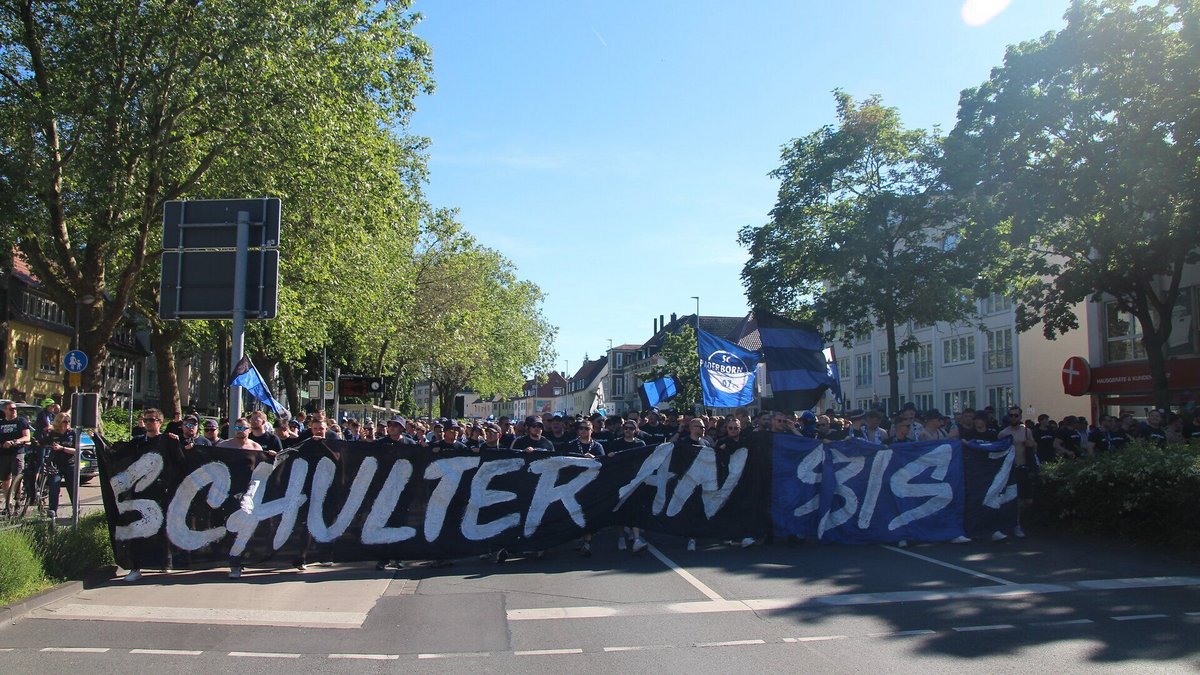
The mobilization of 4,000 SC Paderborn supporters highlights the ‘cultural capital’ at play in these fixtures. For Wolfsburg, this atmosphere serves as a performance stress test. Such high-visibility fan engagement is a quantifiable metric of organizational health, which the club must leverage to maintain stakeholder confidence during periods of competitive instability.
Governance and Market Correction
The relegation format serves as a ruthless market correction within German football. It forces legacy clubs to confront structural deficiencies that are often masked during mid-table security. For VfL Wolfsburg, the decision to reposition Hecking regardless of the result acknowledges that the current trajectory is unsustainable. The club’s long-term viability depends on integrating this new leadership hierarchy without disrupting core operations or alienating the fan base.