Institutional Framework and Meritocratic Selection
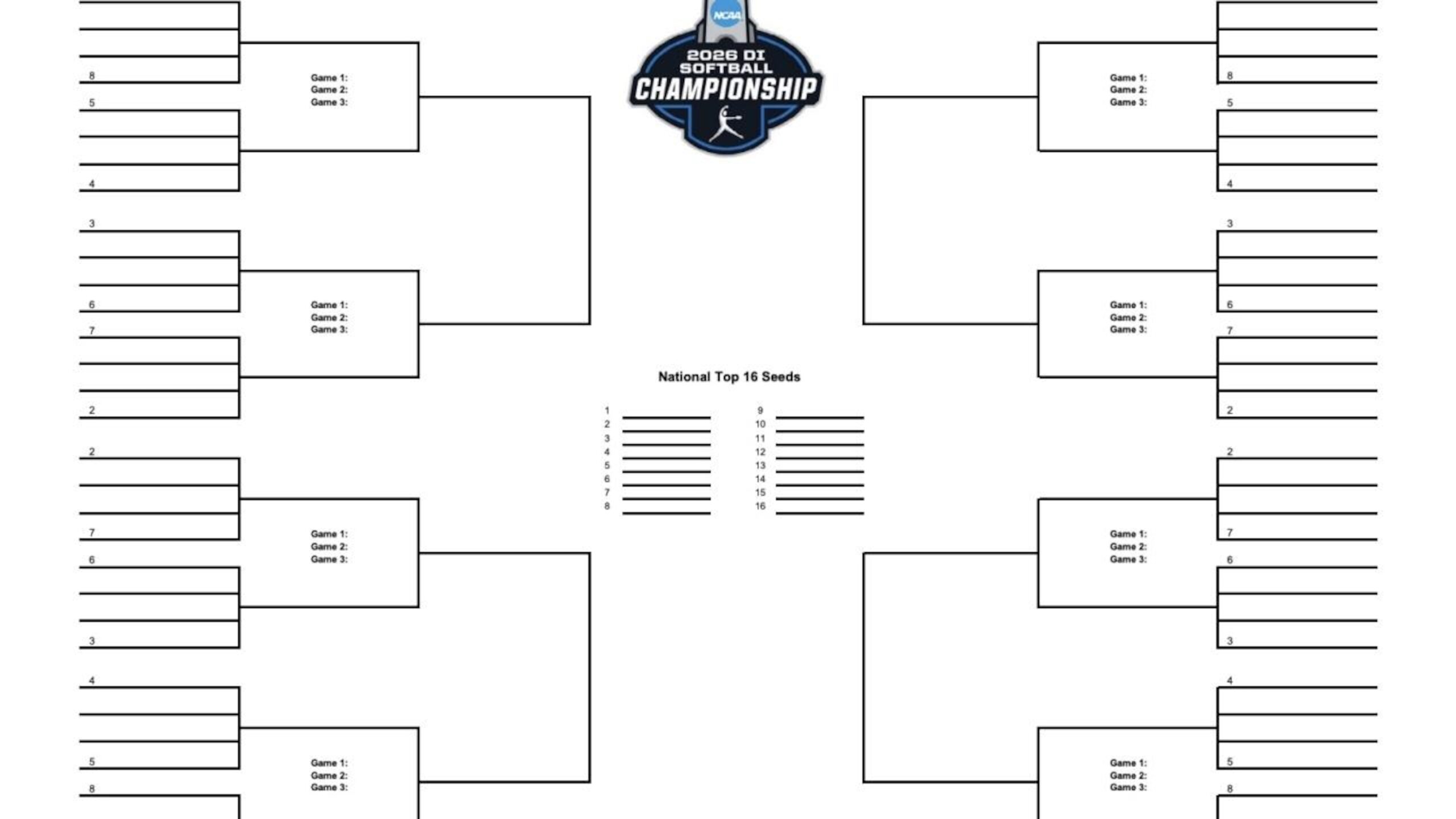
The 2026 NCAA Division I softball tournament represents a sophisticated intersection of athletic meritocracy and commercial expansion. Finalized on May 10, the 64-team field reflects a concentrated geospatial distribution of power, largely influenced by the 2025 season where Texas-based programs established a new competitive benchmark. By utilizing 16 regional sites, the NCAA employs a decentralized operational model that leverages local institutional infrastructure to optimize gate receipts and regional broadcast visibility.
The Operational Leverage of Regional Hosting
Securing a regional host slot is a critical performance objective for top-tier programs, offering significant home-field advantages and direct fiscal incentives. The Tuscaloosa Regional, anchored by No. 1 seed Alabama, serves as a primary case study in operational efficiency. Managing a compressed three-day window from May 15 to May 17 requires host universities to satisfy rigorous ESPN2/ESPN+ broadcast standards while maintaining the integrity of high-stakes elimination brackets. Alabama’s 3-0 victory over Belmont in Game 3 underscores the strategic necessity of early-round dominance to mitigate pitching fatigue before the regional final.
Risk Management in the Double-Elimination Format
The tournament’s double-elimination structure creates an asymmetric risk environment for coaching staffs. Programs must execute a delicate balance between immediate tactical success and long-term rotation sustainability. This format inherently advantages programs with deep capital reserves and robust recruiting pipelines; the physical attrition of back-to-back games frequently exposes the depth chart vulnerabilities of mid-major qualifiers. The May 17 ‘if necessary’ game acts as a final institutional safeguard, ensuring that only the most resilient programs advance to the Super Regional phase.
Centralization and the Economic Impact of Devon Park
The convergence of the final eight teams at Devon Park in Oklahoma City on May 28 highlights the NCAA’s long-term strategy of venue centralization. As the sport’s permanent epicenter, Devon Park provides a standardized, high-capacity infrastructure that meets the escalating demands of national media partners. This geographic stability facilitates long-term sponsorship cycles and capital improvements, ensuring the financial sustainability of the Women’s College World Series within the broader collegiate athletic ecosystem.
Competitive Paradigms: The Texas Incumbency
The 2026 cycle is defined by the shifting power dynamics established during the 2025 championship, where Texas triumphed over Texas Tech in an all-Lone Star State finale. This intra-state rivalry signals a departure from the historical hegemony of West Coast and Southeastern programs. As defending champions, Texas enters the 2026 bracket facing increased media scrutiny and the pressure of maintaining a sustainable dynasty against perennial powers like Alabama and surging mid-major contenders.
Media Integration and Multi-Tiered Visibility
The integration of the tournament into the ESPN broadcast ecosystem is the primary catalyst for the sport’s rising institutional valuation. The Selection Show on May 10 functions as a high-value media event that initiates the tournament narrative across linear and digital channels. By utilizing ESPN+ for regional coverage, the NCAA maximizes stakeholder exposure—including boosters and professional scouts—while reserving marquee linear slots for high-revenue matchups, thereby optimizing the sport’s overall market penetration.