
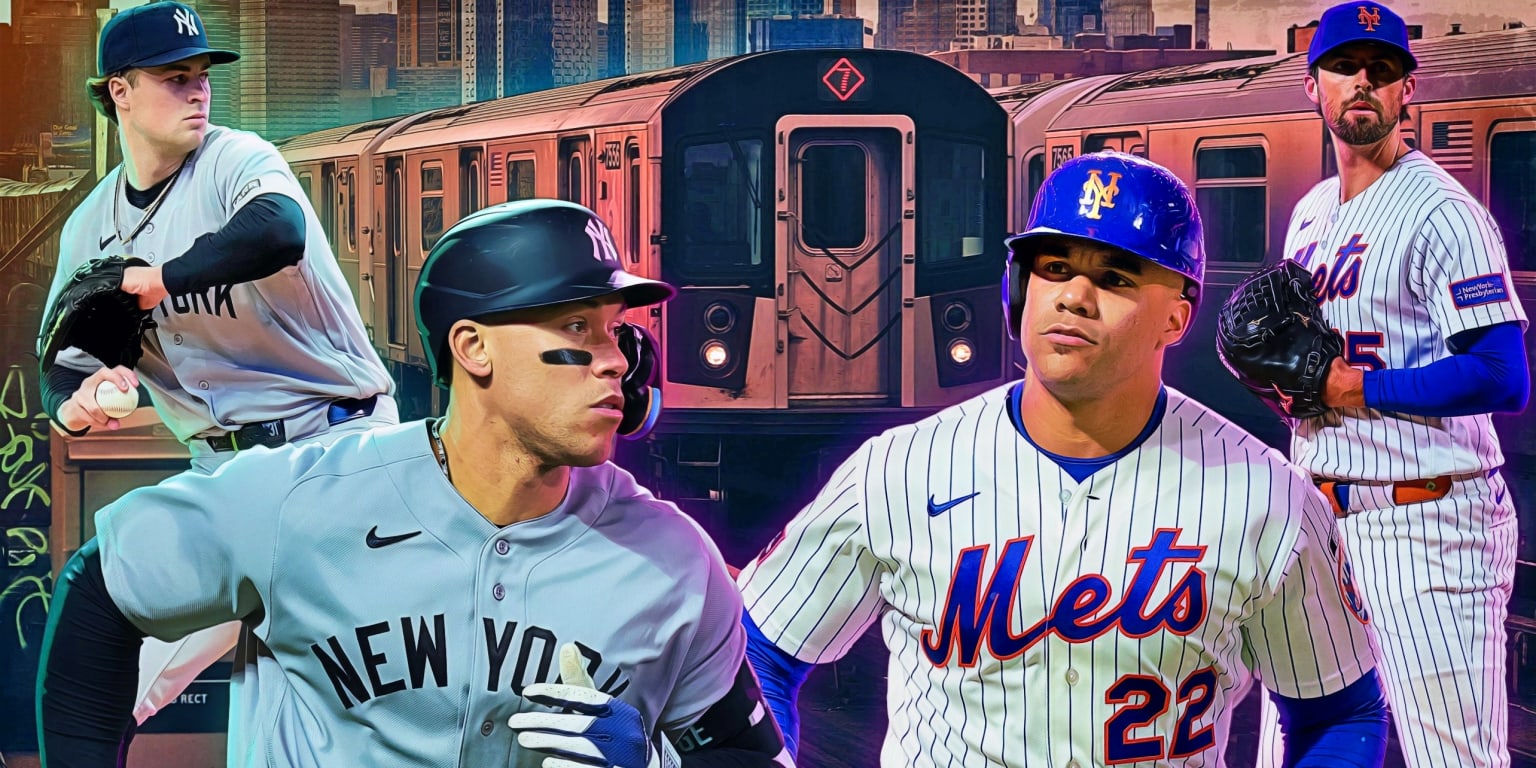
Subway Series: A Premier Rivalry Navigates MLB’s Evolving Broadcast Landscape
The New York Yankees and Mets are rekindling their iconic Subway Series rivalry, a tradition spanning nearly three decades. This year’s matchup, part of MLB’s Rivalry Weekend, highlights the enduring appeal of intra-city baseball and its ability to drive fan engagement amidst significant shifts in media distribution.
The opening game features a highly anticipated pitching duel at Citi Field between Yankees’ emerging ace Cam Schlittler and former Yankee Clay Holmes, now with the Mets. Both pitchers are in exceptional form, boasting sub-2.00 ERAs, indicating a contest where pitching dominance will likely dictate the outcome.
Cam Schlittler has been a revelation for the Yankees, leading American League qualified pitchers with a 1.35 ERA, 0.81 WHIP, and a .177 opponents’ batting average. His recent performance, allowing only two earned runs over his last 34.2 innings, positions him as a strong American League Cy Young candidate, demonstrating remarkable command and efficiency.
This outing marks Schlittler’s first career start against the Mets, adding a fresh narrative to the crosstown clash. Similarly, Clay Holmes faces his former Yankees club for the first time, introducing a compelling personal and strategic dynamic for both teams and their fan bases.
Beyond the on-field action, MLB’s evolving broadcast strategy is increasingly influencing fan access and consumption. The league’s increased involvement in producing and distributing its own broadcasts presents both opportunities and complexities for viewers attempting to follow their favorite teams.
This shift impacts regional sports networks, national broadcasters, and the overall fan experience. The league’s move towards greater control over content delivery is a strategic pivot to adapt to declining linear TV viewership and the rise of digital and direct-to-consumer platforms.
By producing its own broadcasts, MLB aims to ensure product consistency, experiment with innovative formats, and capture a larger share of the value chain. This vertical integration strategy requires substantial capital investment in infrastructure and talent but offers long-term benefits in control, data analytics, and monetization potential.
While teams with frequent national broadcasts like the Yankees and Mets might see less direct impact, the league-wide changes influence national media rights negotiations and the broader sports entertainment competitive landscape.
The operational implications for MLB include building production capabilities, acquiring broadcast talent, and developing sophisticated distribution networks. This approach seeks to enhance broadcast quality and consistency, while also gathering valuable viewership data to inform future strategic and marketing decisions.
Controlling broadcast production enhances MLB’s competitive leverage, enabling more favorable negotiations with streaming services and digital platforms. It also allows for experimentation with new broadcast features to boost fan engagement and explore new revenue streams, such as premium content or integrated betting experiences.
The strategic rationale is to position MLB for sustained growth in an era of fragmented media consumption. By optimizing content for various platforms and employing innovative storytelling, the league targets younger demographics and competes more directly with traditional media companies for advertising and subscription revenue.
This integrated approach could lead to greater brand consistency and a more unified fan experience across all teams, rather than relying on a patchwork of regional broadcasters. The financial implications are significant, involving upfront capital expenditures and ongoing operational costs, balanced against the potential for increased revenue through direct sales, enhanced advertising, and digital partnerships.
MLB’s proactive broadcast production strategy allows it to be a more agile player in the dynamic sports media rights market, fostering new alliances and adapting to shifts more effectively than if solely reliant on external partners.
The economic impact on teams could be substantial, as greater control over broadcast rights and revenue streams can lead to increased financial flexibility. This may enable more aggressive player acquisitions, stadium improvements, and investments in player development, ultimately enhancing on-field competitiveness and fan satisfaction.
Furthermore, the data generated from in-house broadcasts provides invaluable insights into fan behavior and preferences. This data can be leveraged for personalized marketing, optimized content delivery, and targeted sponsorship packages, maximizing the commercial value for the league and its teams.
The Subway Series serves as an ideal showcase for MLB’s enhanced broadcast capabilities. Delivering a consistent, high-quality viewing experience for this marquee matchup reinforces the league’s strategic objectives and demonstrates the value of its integrated content creation and distribution model.
Ultimately, the Yankees-Mets rivalry, amplified by MLB’s broadcast evolution, represents a compelling narrative of tradition meeting innovation. The league’s success in leveraging iconic rivalries while embracing new media frontiers will be crucial for its future growth and sustained cultural and economic relevance.

Photo by hellosoyeon on Pixabay.