The Rapid Emergence of a Potentially Historic Climate Cycle
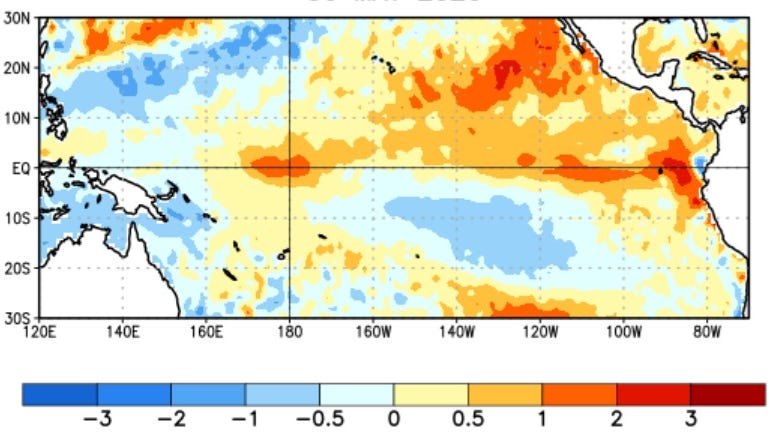
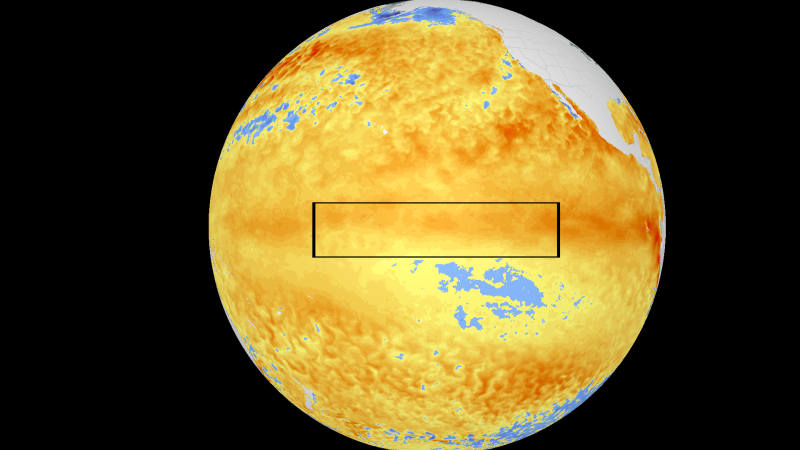
The National Oceanic and Atmospheric Administration (NOAA) has reported a critical shift in Pacific Ocean dynamics, with current data indicating an accelerated transition toward a strong or ‘Super’ El Niño by late 2026. This phenomenon is defined by significant positive sea surface temperature anomalies in the equatorial Pacific, which now serve as the primary indicator for imminent atmospheric disruption.
The current velocity of this transition exceeds historical models, compressing the window for global institutional preparedness. Unlike previous cycles, the 2026 event occurs against a baseline of elevated global thermal trends, potentially amplifying the magnitude of weather extremes.
Systemic Economic and Atmospheric Impacts
El Niño functions as a primary driver of global circulation, forcing redistributions of thermal energy and moisture. These atmospheric shifts trigger secondary, localized crises—ranging from prolonged drought in agrarian hubs to catastrophic flooding in coastal regions. Such variability creates immediate volatility for sectors sensitive to climate inputs, including global agriculture, energy grid capacity, and international logistics.
For stakeholders, the primary risk involves the disruption of supply chains and the destabilization of resource availability. Proactive risk management now requires the integration of NOAA’s probabilistic forecasts into enterprise resource planning to mitigate the impacts of potential cascading failures.
Divergent Hurricane Dynamics
The 2026 forecast presents a nuanced risk profile for hurricane season (June–November). El Niño typically induces vertical wind shear that suppresses Atlantic storm formation while concurrently enhancing Pacific activity. This divergence necessitates a bifurcated risk management strategy: coastal infrastructure in the Pacific must prepare for increased storm frequency, while Atlantic-based stakeholders must navigate the complexities of shifting seasonal probabilities.
Insurance and reinsurance markets remain particularly sensitive to this forecast, as the predictive capacity of modern models is tested by the convergence of cyclical El Niño effects and broader climatic warming. Enhanced data calibration is now essential for adjusting risk premiums and disaster response contingency funds.
Strategic Risk Mitigation and Historical Context
While historical precedents like the 1877 event illustrate the potential for large-scale systemic disruption, modern globalized systems exhibit unique vulnerabilities, particularly in food security and energy distribution. With a 96 percent probability of this cycle persisting into early 2027, policymakers face a clear mandate to prioritize climate-resilient infrastructure.
The shift from reactive to proactive risk management is now an economic imperative. By utilizing high-resolution sea surface temperature data, financial institutions and governments can better model commodity price sensitivities and water management requirements, ensuring operational continuity in an increasingly volatile climate landscape.