
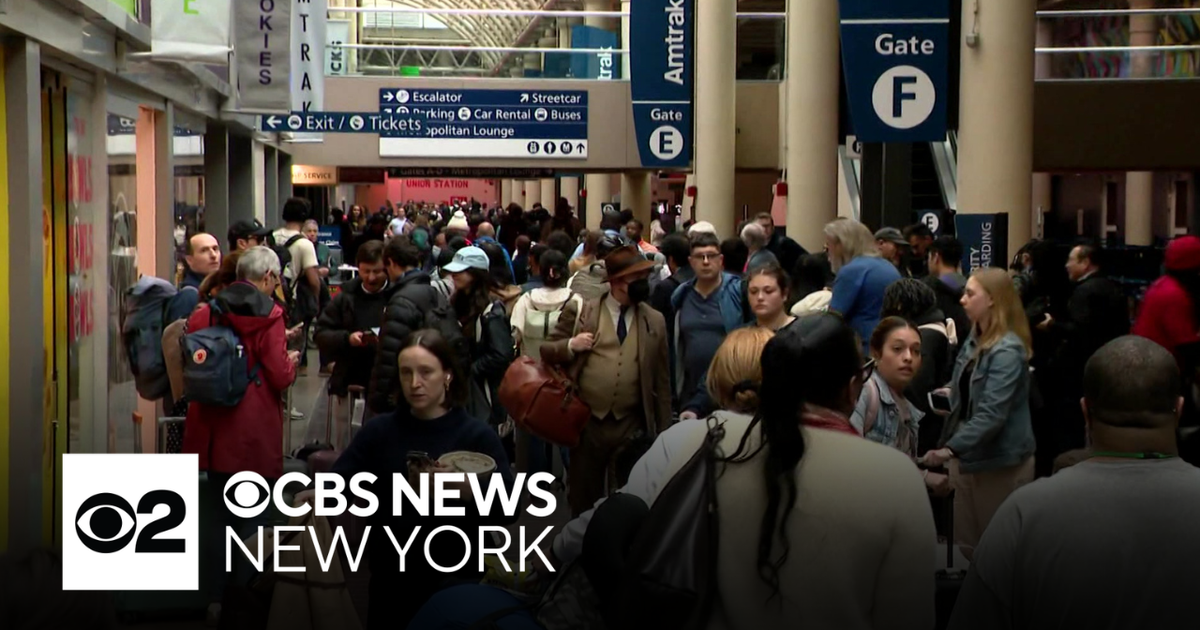
The AAA projection of 45 million Americans traveling for the 2026 Memorial Day weekend establishes a new benchmark for consumer resilience. This record-breaking forecast indicates that the psychological impetus for seasonal mobility currently supersedes inflationary pressures, signaling a potential decoupling of leisure demand from immediate energy cost fluctuations.
Macroeconomic Resilience and Demand Inelasticity
The decision by 45 million individuals to journey at least 50 miles from home reflects a robust appetite for discretionary spending. While retail gasoline prices remain elevated relative to historical averages, the current volume suggests that the marginal cost of travel has not reached the threshold required for demand destruction. This persistence indicates that leisure travel has transitioned into a prioritized household expenditure, exhibiting high price inelasticity during peak seasonal windows.
For energy sector stakeholders, the 39.1 million-driver figure provides a definitive floor for short-term demand. The concentration of this activity within a five-day corridor creates localized supply chain pressures, likely exacerbating price spikes in high-traffic transit hubs and coastal gateways.
Aviation Yield Management and Pricing Bifurcation
The aviation sector is positioned to facilitate 3.66 million trips, supported by sophisticated yield management systems. Current data reveals a significant pricing delta: lower average ticket prices for early-market entrants compared to record-high spot rates for late-stage bookings. This strategy allows carriers to secure operational liquidity and optimize fuel hedging months in advance, though it places extreme pressure on ground operations to maintain integrity during the Thursday-to-Monday surge.
Infrastructure Strain: The 87% Road Dominance
With 87% of travelers (39.1 million) utilizing personal vehicles, the American transportation matrix remains heavily skewed toward road-based infrastructure. This volume necessitates a strategic pause in non-essential maintenance by state transportation departments to maximize throughput. From a competitive standpoint, this car-share dominance highlights the limited penetration of alternative transit modes, as the flexibility of personal vehicles remains the primary driver of domestic mobility.
Institutional Forecasting as a Market Catalyst
AAA’s forecast functions as more than a statistical outlook; it is a strategic signal for the hospitality and insurance sectors. By designating 2026 as a record year, the organization triggers automated escalations in dynamic pricing algorithms for hotels and short-term rentals. Simultaneously, the risk management sector must recalibrate for increased claims frequency, as higher vehicle density correlates directly with elevated incident rates.
Strategic Conclusion: The Summer Litmus Test
Memorial Day serves as a critical litmus test for the broader Q3 fiscal performance. The movement of 45 million people represents a massive redistribution of capital from urban centers to regional tourism hubs. The ability of local economies to absorb this sudden population spike—while managing the strain on utilities and emergency services—will determine the ultimate economic viability of the 2026 summer season.
Photo by Y134566 on Pixabay.