The meteorological landscape for Mother’s Day 2026 is defined by a bifurcation of atmospheric risk, presenting distinct operational challenges for the hospitality, energy, and agricultural sectors. Stakeholders must navigate a fragmented profile characterized by thermal suppression in the Northeast and high-frequency convective stochasticity in the Southern United States.
Northeast Corridor: Frontal Forcing and Revenue Compression
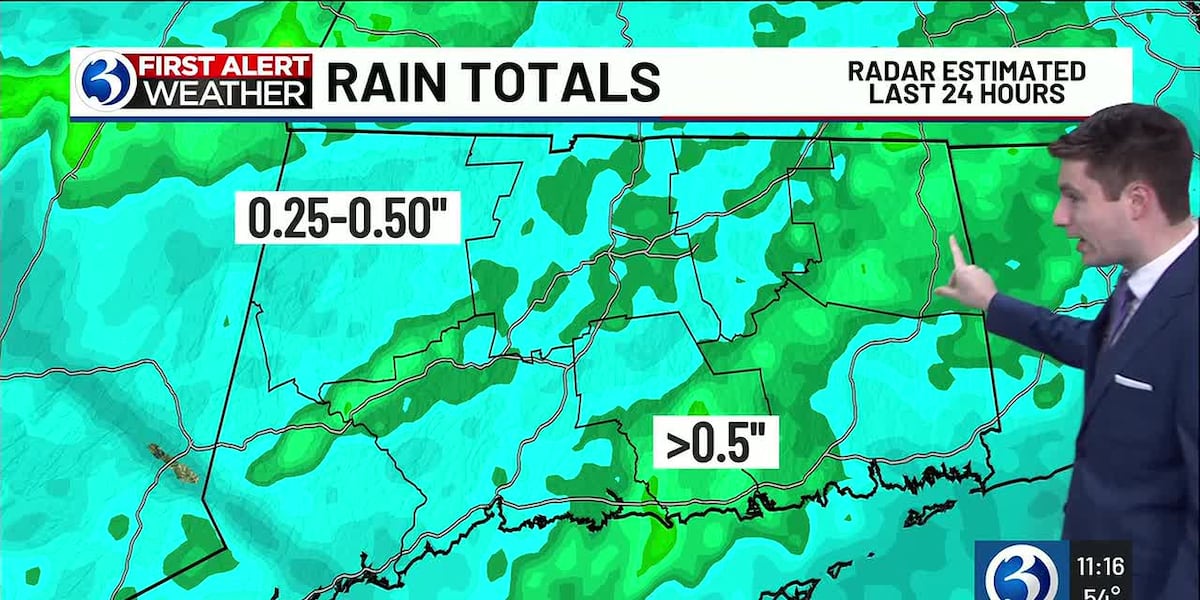
In the Northeast, the transition from morning advection fog to afternoon solar heating serves as a deceptive precursor to a weak cold front. This boundary introduces isolated high-intensity showers that threaten high-margin outdoor dining windows. For hospitality managers, the strategic imperative shifts from capacity maximization to high-contingency indoor logistics.
With temperatures projected in the upper 60s to low 70s, the subsequent arrival of unseasonably cool air—dropping highs into the 50s for the following workweek—signals a temporary contraction in seasonal consumer spending. Furthermore, this cooling trend deviates from mid-May norms, likely necessitating a shift in regional energy load balancing as residential heating demand replaces expected cooling requirements.
Southern Sector: Hydrological Recovery vs. Convective Stochasticity
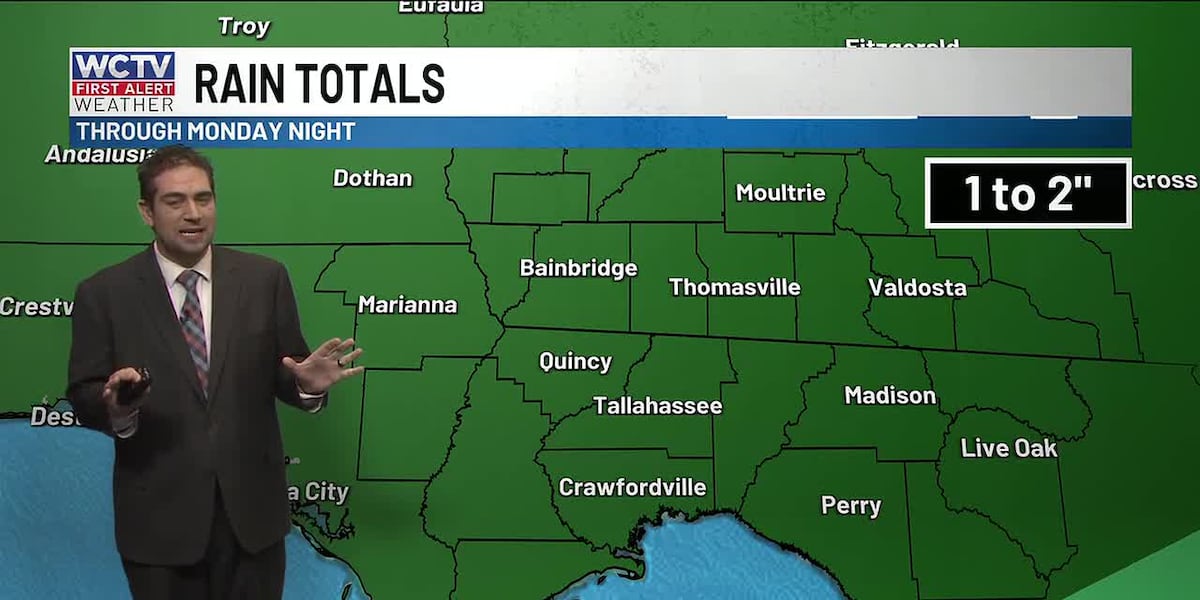
The Southern United States, specifically the Big Bend and South Georgia regions, faces a dichotomy of agricultural relief and operational disruption. While rainfall accumulations of 0.5 to 2.5 inches provide essential hydrological recovery for parched topsoils, the spatial distribution remains inconsistent. This ‘blindfolded’ convective environment complicates precision agricultural planning in counties like Leon and Jefferson.
For the tourism and outdoor recreation sectors, this uncertainty necessitates a maximum-caution posture. The random nature of storm development—where localized cells may bypass high-probability zones while saturating others—creates a high-stakes environment for real-time decision-making and labor allocation.
National Macro-Trends: Thermal Extremes and Grid Resilience
On a national scale, the Mother’s Day weather map reveals a stark divergence. While the West faces triple-digit heat, stressing local power grids and accelerating peak-load management strategies, the East-Central regions grapple with frontal-driven precipitation. These contrasting extremes illustrate the fragmented nature of the U.S. energy demand profile for May 2026.
Aviation and transport logistics must also account for ‘dark green’ high-probability precipitation zones. Businesses that maintain a static operational posture risk significant losses, whereas those leveraging hyper-local data to capitalize on short-term clearing windows will secure a competitive advantage in a volatile market.
Institutional Resilience and Long-Term Trajectory
The persistence of below-average temperatures following the holiday suggests a structural shift in the jet stream, potentially delaying the summer peak season for leisure and retail. The utilization of specialized risk-communication tools, such as ‘First Alert’ designations, remains vital for municipal authorities managing urban drainage resilience during short-duration, high-intensity events.
Ultimately, the Mother’s Day 2026 profile underscores the necessity of institutional agility. As weather patterns exhibit increased volatility, the ability to translate technical meteorological data into actionable economic strategy becomes a core competency for modern enterprise management.