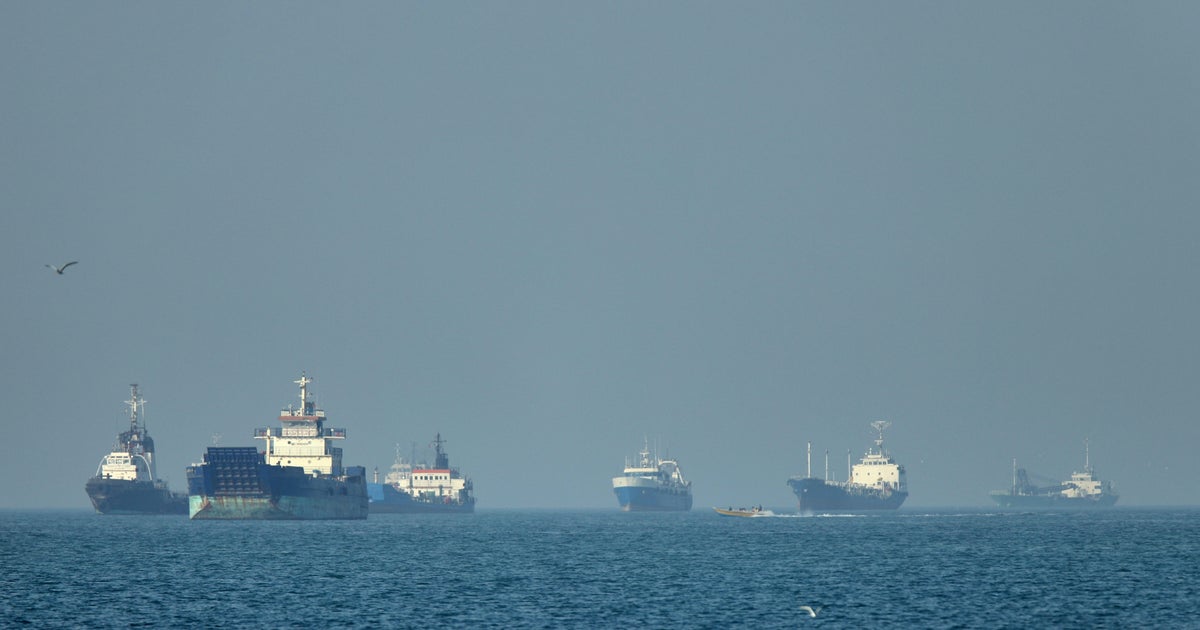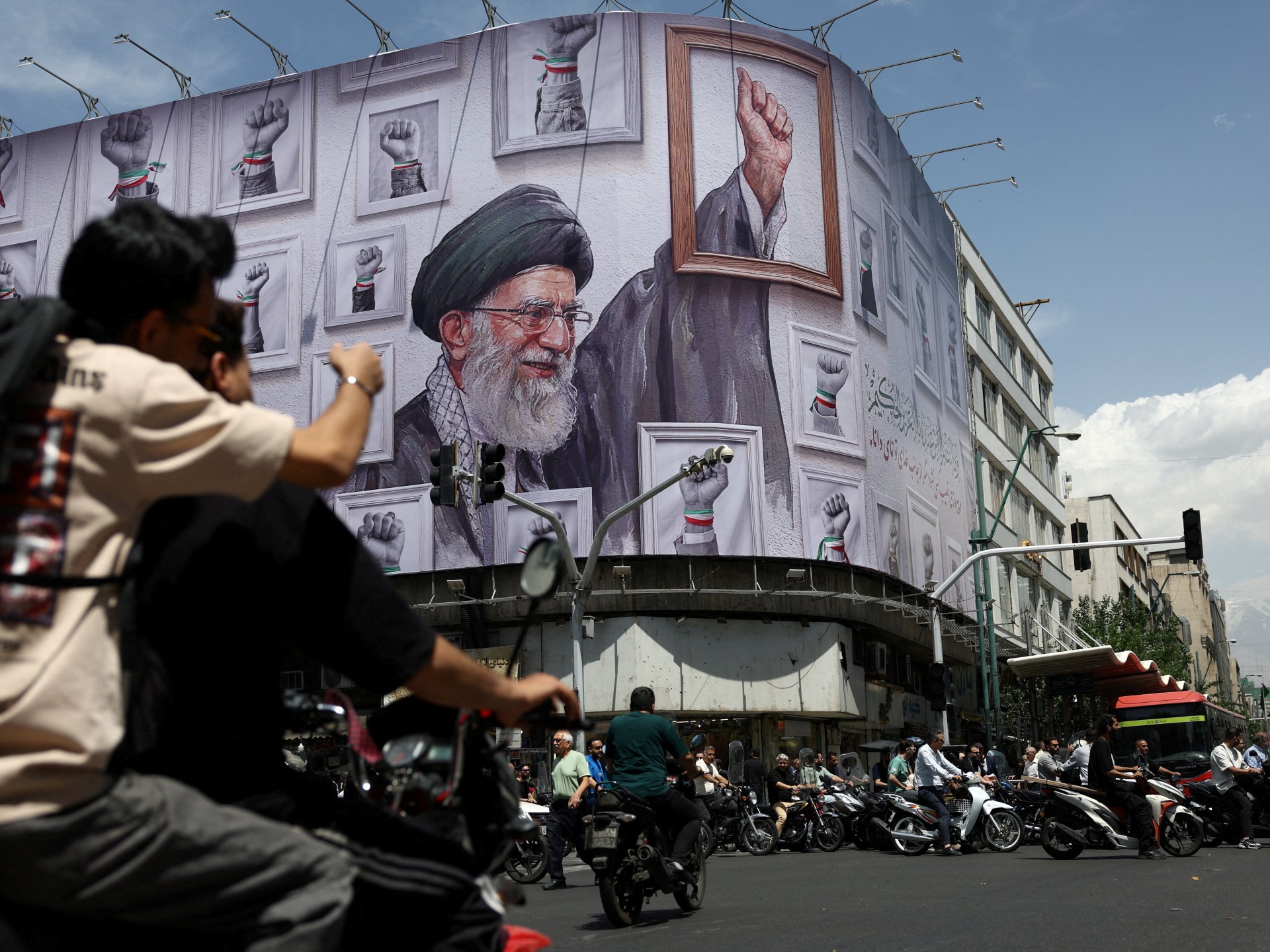
The geopolitical equilibrium in the Persian Gulf has shifted toward active conflict following the United States military’s kinetic engagement with two Iranian-flagged oil tankers. This intervention, characterized by the Pentagon as a definitive enforcement of the existing regional blockade, represents a transition from passive surveillance to active interdiction. By employing live fire to prevent these vessels from accessing Iranian ports, Washington is signaling a revised rule of engagement intended to physically sever Tehran’s maritime logistics and energy revenue streams.
Strategic Logic of Kinetic Interdiction
This deployment of force functions as a high-stakes mechanism of coercive diplomacy. By targeting tankers at the terminal stage of their transit, the U.S. Navy is testing the structural integrity of Iran’s domestic energy infrastructure and the resolve of its naval command. This operational shift forces a binary choice upon Tehran: accept the physical degradation of its sovereign trade capabilities or risk a symmetric escalation that could ignite a broader naval conflict in the world’s most sensitive energy chokepoint.
Rubio’s Ultimatum and the Diplomatic Threshold
Simultaneous with naval operations, Secretary of State Marco Rubio has enforced a temporal threshold, demanding a formal response to a comprehensive peace proposal by the close of Friday. This synchronization of hard and soft power is designed to maximize leverage; the naval engagements serve as a tangible demonstration of the costs associated with diplomatic non-compliance. Rubio’s cautious stance suggests that while a diplomatic ‘off-ramp’ exists, the administration is structurally prepared for a pivot toward intensified hostilities should the response prove insufficient.
Institutional Synergy: OFAC and the Drone Supply Chain
Complementing the maritime blockade, the U.S. Treasury’s Office of Foreign Assets Control (OFAC) has introduced specialized sanctions targeting the upstream procurement networks of Iran’s drone and ballistic missile programs. By designating 10 entities involved in raw material acquisition, the U.S. is attempting to induce ‘supply chain attrition.’ This intelligence-led approach identifies bottlenecks in the Iranian defense industrial base, creating significant compliance risks for global financial institutions and effectively raising the overhead for Iranian military production.
The Levant Front and Regional Contagion
The volatility is not localized to the Persian Gulf. Recent Israeli strikes in southern Lebanon, resulting in at least 31 casualties—including rescue personnel—underscore the reality of a multi-front regional conflict. These developments in the Levant are intrinsically linked to the U.S.-Iran standoff, as regional proxies recalibrate their positions based on the perceived stability of the central Iranian state. The humanitarian toll in Lebanon adds a layer of complexity to the peace negotiations, as any settlement must now account for the interconnected security architectures of the Middle East.
Market Volatility and Energy Security
Energy markets have responded with immediate sensitivity to the reports of naval clashes in the Strait of Hormuz. The potential for a sustained disruption of crude flow has triggered volatility in oil futures and a spike in maritime insurance premiums. Global shipping conglomerates are now forced to weigh the risks of transit through contested corridors where the traditional ‘freedom of navigation’ has been superseded by active blockade enforcement. The outcome of the Friday deadline remains the primary determinant for market stability in the coming week.