The Strategic Pivot: Sakib Hussain and Non-Traditional Talent Acquisition
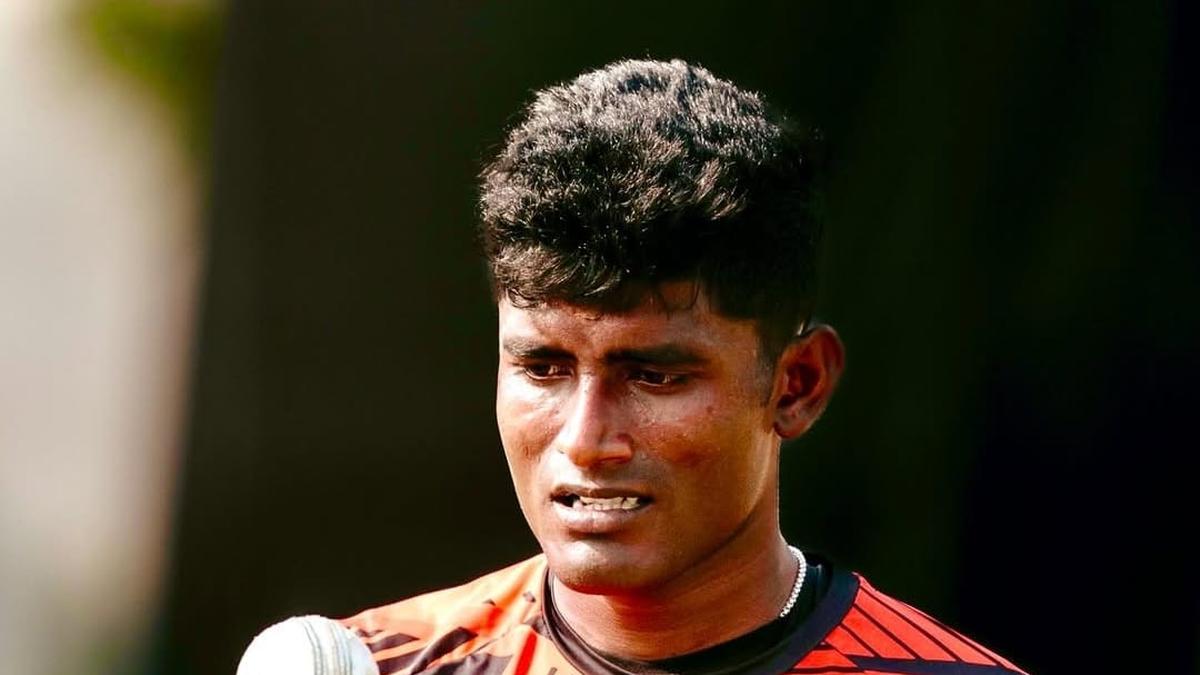
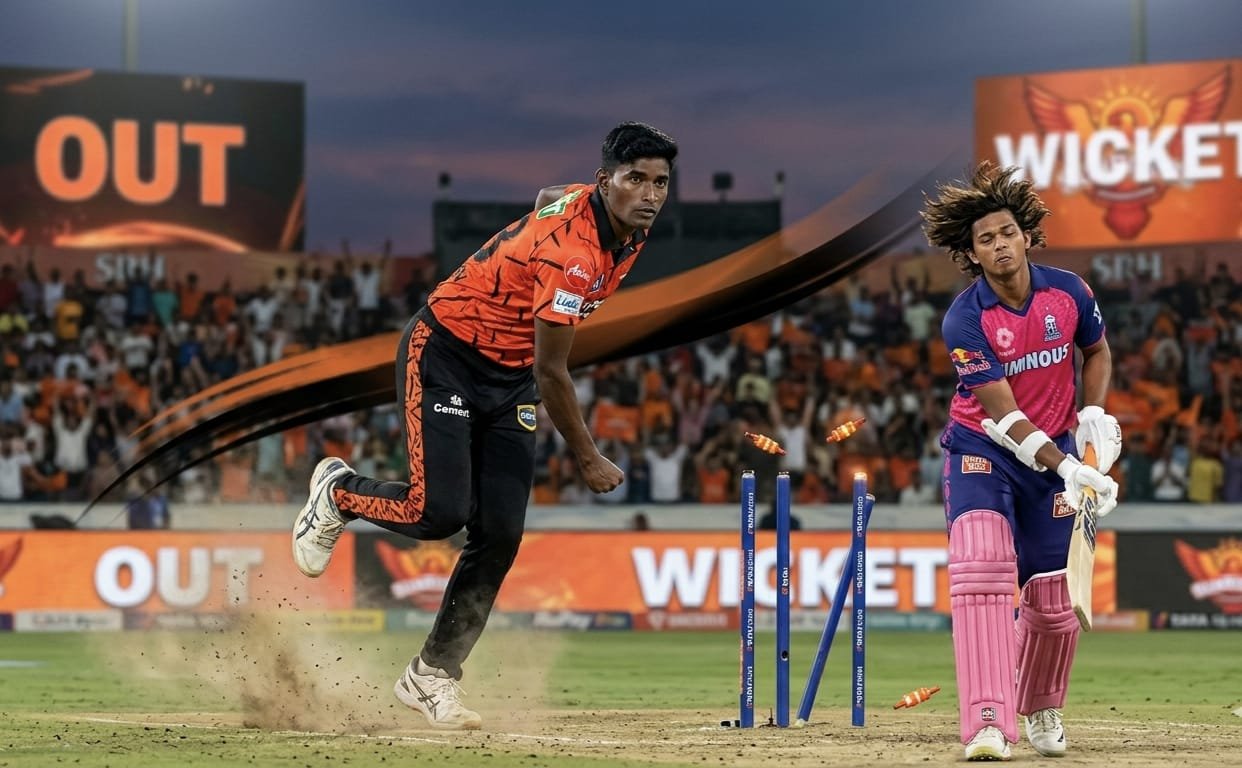
The debut of fast bowler Sakib Hussain for Sunrisers Hyderabad (SRH) against Rajasthan Royals (RR) in the 2026 IPL season signifies a critical strategic shift in the league’s talent identification and capital allocation models. Hussain, acquired by SRH for Rs. 30 lakh, represents a high-potential, low-cost asset from a non-traditional cricketing center (Bihar). His emergence challenges established scouting paradigms that historically favored players from major state associations, indicating a maturing market where competitive advantage is increasingly found by identifying and investing in undervalued talent pools outside mainstream infrastructure.
Economic Calculus: Salary Cap Constraints and High-Leverage Acquisitions
Hussain’s acquisition price places him squarely within a specific risk-reward dynamic essential for franchises operating under the IPL’s salary cap constraints. High-profile players consume significant capital, demanding high performance to justify their cost. Conversely, low-cost acquisitions like Hussain offer a high-leverage opportunity: the financial risk (Rs. 30 lakh) is minimal, while the potential return on investment—if the player performs effectively—is substantial. This strategy maximizes squad depth and cost efficiency. The competitive pressure to find these hidden gems incentivizes franchises to broaden their scouting networks, seeking market inefficiencies by expanding into regions previously considered secondary in the cricketing landscape.
Franchise Strategy: Risk Appetite and Asset Deployment
The contrast between Kolkata Knight Riders’ (KKR) strategy in 2024 and SRH’s approach in 2026 illustrates differing philosophies of risk management and asset utilization. KKR initially signed Hussain but kept him sidelined, suggesting a long-term development strategy where immediate risk mitigation took priority over immediate deployment. SRH’s decision to integrate him quickly into the playing XI demonstrates a higher risk appetite and a strategic imperative to refresh the squad with new talent. By deploying Hussain in high-pressure scenarios, SRH seeks to capitalize on a perceived undervalued asset to gain immediate performance leverage, accepting the inherent risks associated risk of inexperience at the highest level. The success or failure of such low-cost investments significantly influences a franchise’s overall strategic direction and market perception of market efficiency.
Performance Validation and Structural Barriers
Hussain’s competitive profile provides a compelling case for investment. His domestic T20 debut for Bihar in the 2022-23 Syed Mushtaq Ali Trophy, where he took four wickets for 20 runs in only his second game at age 17, demonstrated early aptitude for high-impact performances. Furthermore, his maiden five-for in the 2025-26 Ranji Trophy (6/41 against Arunachal Pradesh) showcases versatility and endurance across formats, increasing his strategic value beyond T20 specialization. However, his background from Gopalganj, Bihar, underscores significant structural disparities in India’s cricketing infrastructure. The lack of high-performance facilities and specialized coaching in these non-traditional centers creates systemic barriers. Franchises that successfully identify and integrate players from these regions effectively bridge these institutional gaps, creating a pathway to professional cricket that compensates for deficits in public infrastructure.
Broader Implications: Social Mobility and Institutional Development
The emergence of players like Hussain creates a positive feedback loop for institutional development. As franchises demonstrate the commercial viability of talent from non-traditional states, pressure increases on institutional bodies to improve infrastructure and development programs at the grassroots level. This dynamic fosters a parallel system where private investment compensates for public infrastructure deficits. The socio-economic dimension also enhances the league’s narrative: Hussain’s father works as a laborer, highlighting cricket’s role as a vehicle for social mobility. This transformation potential positions franchises not just as sports teams but as catalysts for community change, adding significant long-term brand equity beyond immediate match results.