Institutional Scheduling as a Competitive Lever
LaLiga’s decision to transition Real Madrid’s Matchday 31 fixture against Girona to a Friday kickoff represents a calculated move in institutional optimization. By extending the recovery micro-cycle ahead of the Champions League quarter-final second leg in Munich, the league facilitates a structural advantage for Spanish representation. This 72-hour buffer is not merely a logistical convenience but a vital window for physiological restoration, allowing the technical staff to mitigate the high-intensity fatigue accumulated during the first leg against Bayern.
Operational Risk: The Dynamics of the Seven-Man Rotation
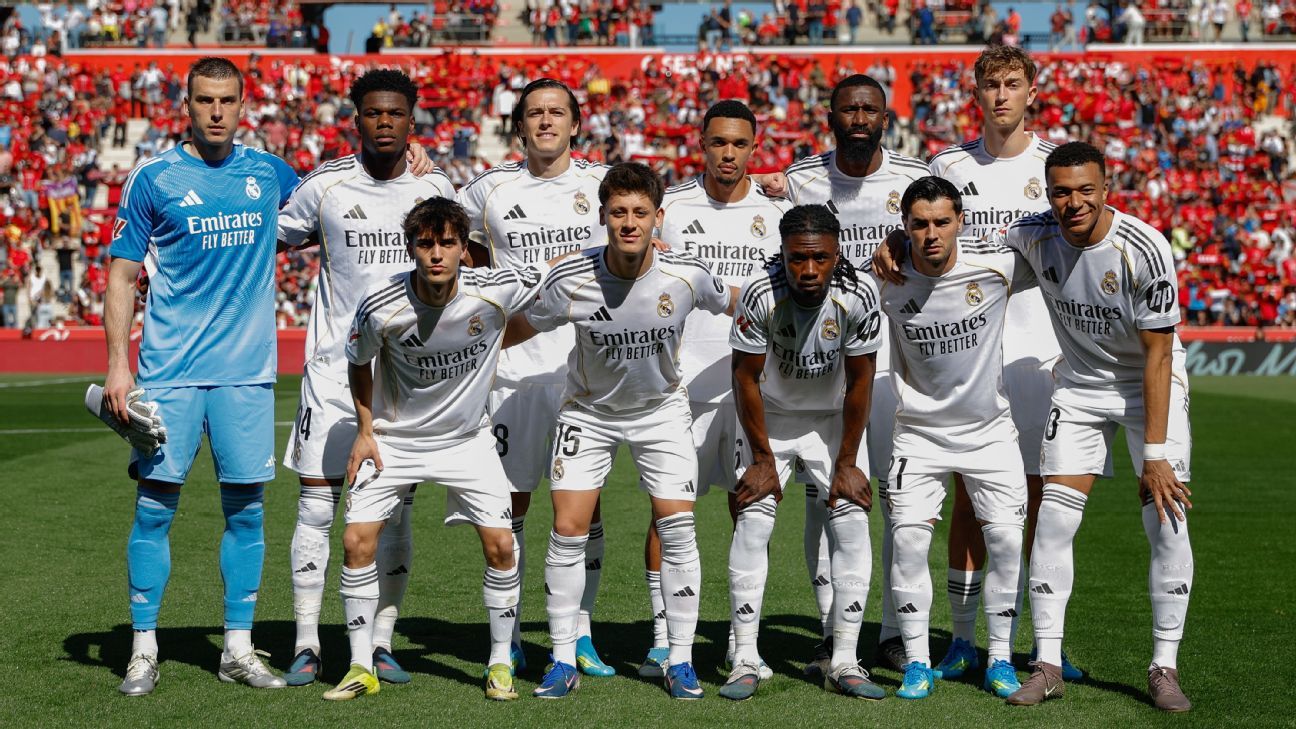
Álvaro Arbeloa has implemented a radical 60% turnover in his starting XI, a high-stakes managerial decision that prioritizes squad preservation over domestic continuity. By resting defensive anchors like Antonio Rüdiger and Trent Alexander-Arnold, Arbeloa is effectively hedging his bets against injury attrition. This strategy tests the operational efficiency of the secondary roster, demanding that substitute players maintain the tactical integrity required to handle a transition-heavy Girona side while preserving core starters for the definitive clash at the Allianz Arena.
Defensive Elasticity and the Reintegration of Éder Militao
The reintroduction of Éder Militao after a 14-match hiatus marks a critical shift in Madrid’s defensive geometry. Arbeloa’s assertion that a fit Militao is the world’s premier center-back signals a return to a proactive, space-dominating defensive line. Militao’s ability to win high-leverage individual duels grants the midfield the security to press higher, a tactical necessity for a side trailing Barcelona by seven points. This start serves as a high-intensity benchmark to assess his readiness for the aerial and physical demands expected in Germany.
Succession Planning: ‘La Fábrica’ and Internal Asset Appreciation
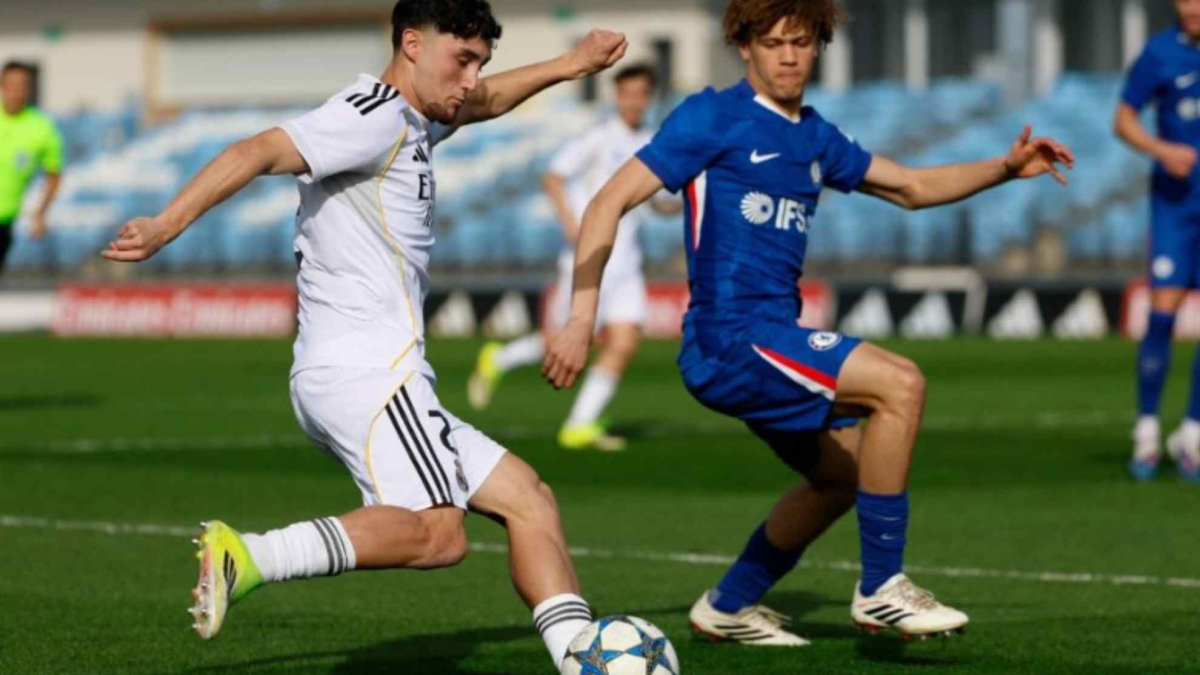
The inclusion of Fortea and Yáñez in the matchday squad highlights a strategic reliance on academy integration to offset disciplinary and physical voids. Fortea, viewed as the long-term successor to the right-back role, enters a ‘live-fire’ audition. This shift toward utilizing internal assets rather than external acquisitions during crisis periods reflects an institutional confidence in Arbeloa’s familiarity with the youth pipeline. Integrating these prospects accelerates their development while providing the senior squad with necessary energy during a congested fixture list.
Psychological Scoreboard Pressure and the Title Race
The Friday slot offers Real Madrid a fleeting opportunity to exert scoreboard pressure on Barcelona. Reducing the deficit to four points before the Catalan side faces Espanyol transforms the title race narrative from a foregone conclusion into a volatile competition. Arbeloa’s ‘all-in’ offensive posture against Girona is designed to maintain competitive inertia; a victory keeps domestic hope alive, whereas a third consecutive loss would psychologically compromise the squad’s morale heading into the season’s most critical European fixture.