
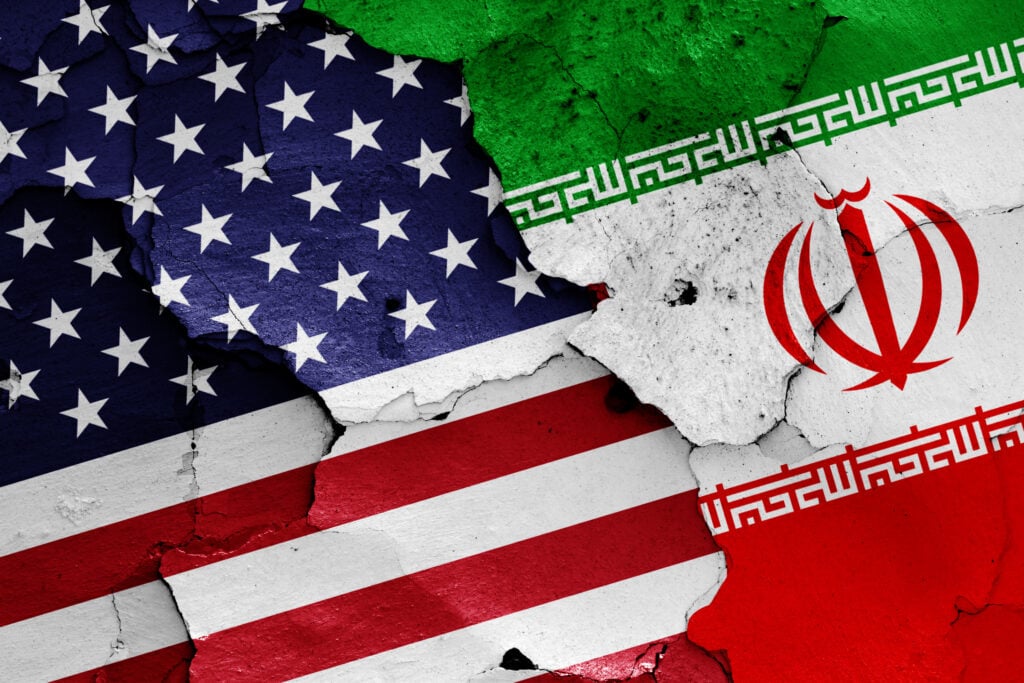
The global financial architecture is currently undergoing a structural pivot toward a ‘unipolar market’—a regime where geopolitical escalation in the Middle East has superseded traditional multi-factor modeling. As noted by Neuberger Berman’s Steve Eisman, the Iran conflict is now the monolithic driver of equity valuations, rendering standard indicators like interest rate trajectories and corporate earnings secondary to energy-linked volatility.
This strategic shift follows a significant reversal in institutional sentiment. While initially optimistic, Eisman has recalibrated his outlook as sustained energy inflation threatens to hollow out broader economic growth. The catalyst is a historic surge in Brent crude, which hit $113 per barrel in late March—a 55% monthly increase that signals a definitive change in global commodity pricing regimes.
Historical Benchmarks and Sector Asymmetry
The current momentum has eclipsed the 46% surge recorded during the 1990 Gulf War. This suggests that contemporary geopolitical friction is exerting more acute pressure on global supply chains and inflationary expectations than previous era-defining conflicts. Market data validates this concentration of risk: the Energy Select Sector SPDR Fund (XLE) remains the only S&P 500 sector in positive territory, illustrating a massive liquidity rotation away from growth and technology toward energy-linked hedges.
Institutional investors are no longer treating energy as a tactical commodity play but as a necessary systemic hedge. The lack of market breadth, with only one sector ‘in the green,’ underscores the fragility of the current recovery and the concentration of capital into a narrow volatility corridor.
Predictive Modeling and Escalation Proxies
Traditional economic models often lag in quantifying geopolitical tail risks, leading institutional desks to integrate prediction market data. Currently, Polymarket reflects a 71% probability of U.S. forces entering Iran by the end of April. This figure serves as a high-conviction proxy for institutional anxiety, forcing a defensive posture that prioritizes capital preservation over aggressive growth strategies.
This reliance on non-traditional data indicates a shift in how professional investors quantify ‘black swan’ events. High odds on direct military involvement trigger immediate risk-off behavior across global credit and equity markets, pricing in potential disruptions to the Strait of Hormuz and global energy infrastructure.
The ‘Energy Wealth Tax’ and Economic Atrophy
Economist Dean Baker characterizes this price surge as a ‘functional wealth tax’ on the global economy. Rising oil costs act as a regressive drain, siphoning liquidity from consumer purchasing power and corporate margins simultaneously. This mechanism explains the persistent downward pressure on non-energy sectors; the conflict effectively redistributes capital from the wider industrial base to energy producers and specialized hedge funds.
This structural imbalance creates a GDP drag that is likely to persist as long as Brent remains above the $100 threshold. For policymakers, the ‘unipolar’ focus on energy costs creates a feedback loop where foreign policy decisions have instantaneous, visible impacts on domestic retirement accounts and institutional solvency.
Political Vulnerability and Portfolio Mitigation
Michael Burry has identified a specific political dimension to this volatility, describing the current market environment as ‘kryptonite’ for established economic narratives. The market’s sensitivity to the Iran conflict limits strategic options for administrations that must balance geopolitical objectives against the risk of a prolonged equity drawdown. This intersection of political risk and energy pricing creates a volatile landscape for long-term capital planning.
The rapid transition from bullishness to the current ‘unipolar’ framing by top-tier investors like Eisman highlights the speed of institutional recalibration. Investors are now seeking sophisticated tax strategies and specialized advisor guidance to mitigate the downstream consequences of $113 oil, which include increased transportation costs and reinforced central bank hawkishness. In this environment, traditional diversification offers diminished protection as correlations tighten around energy-driven headlines.

Photo by WikiImages on Pixabay.