
Federal Reserve Policy Crossroads Amid Leadership Transition and Structural Headwinds
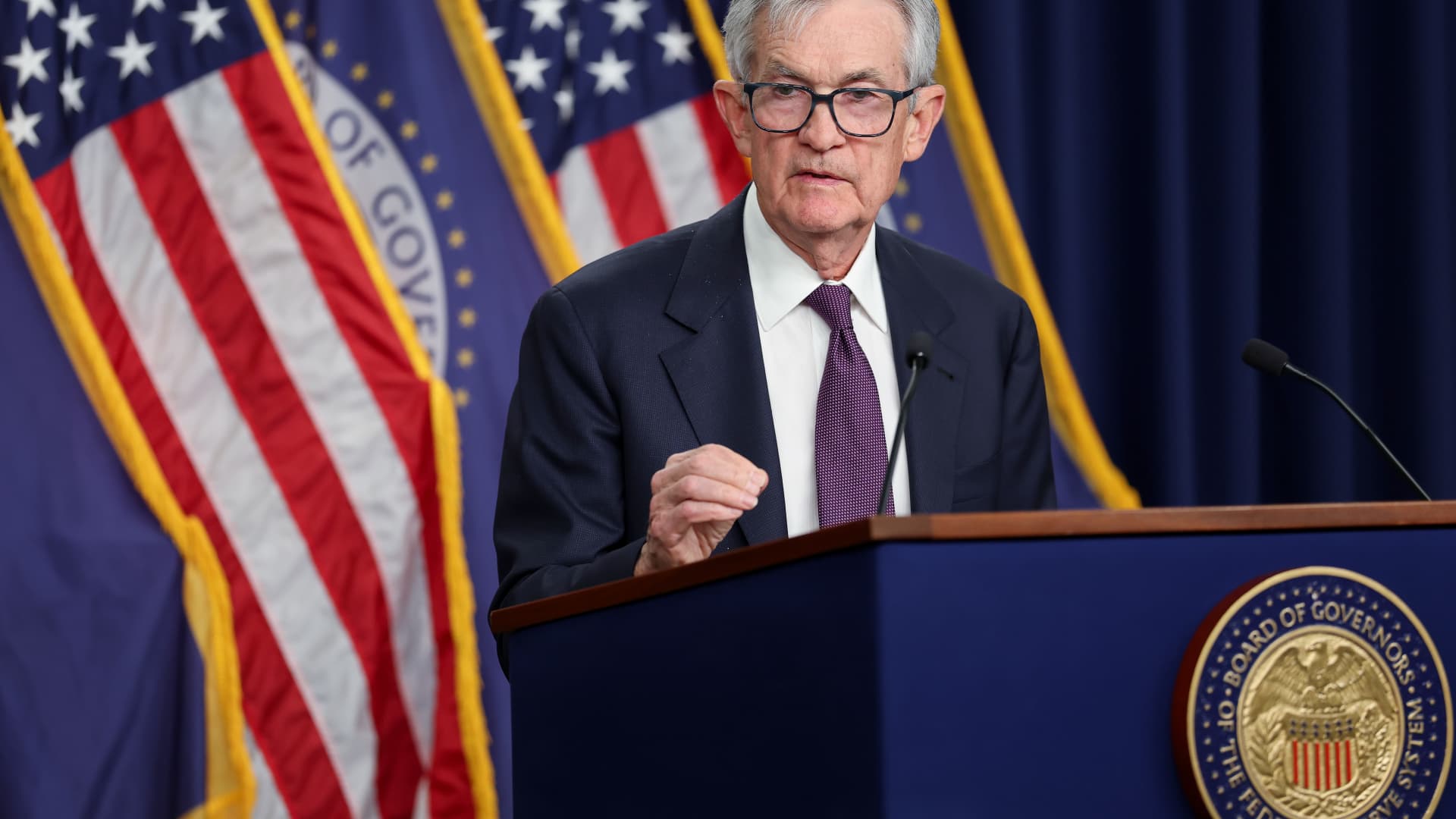
Federal Reserve Chair Jerome Powell’s imminent public address at Harvard University marks a critical inflection point, positioned just prior to his official term conclusion on May 15th. This engagement draws intense focus onto the central bank’s immediate trajectory as markets largely price in a sustained interest rate hold through year-end, reflecting a perceived equilibrium in current monetary policy.
Powell’s prior characterization of the economy maintaining a “solid pace” juxtaposed against persistent stagflationary concerns reveals a nuanced internal assessment. This suggests the FOMC is prioritizing immediate momentum metrics while actively monitoring structural weaknesses that challenge conventional demand management tools.
Exogenous Shocks and Monetary Calculus Constraints
The Fed’s current cautious operational posture is dictated by significant exogenous variables demanding flexibility. Geopolitical instability, specifically related to the ongoing Iran conflict, injects acute volatility into energy markets, acting as a direct, non-monetary inflationary input that complicates core mandate execution.
Furthermore, the introduction of new protective tariffs represents a fiscal policy intervention that threatens established supply chains, increasing input cost pressures. This forces the Fed to recalibrate inflation forecasts against non-monetary trade policy shifts. Counterbalancing these inflationary vectors is the documented stagnation within the labor market, signaling structural rigidities that constrain aggregate demand, thereby limiting the appetite for aggressive monetary tightening that could trigger contraction.
Institutional Friction: Succession Uncertainty
The uncertainty surrounding Powell’s final tenure is compounded by administrative complexity: his departure is contingent upon the Senate confirmation of his successor, former Governor Kevin Warsh. This confirmation process is reportedly stalled in the Senate Banking Committee due to procedural holds involving U.S. Attorney Jeanine [Source data incomplete regarding the specific nature of the hold].
Should confirmation breach the May 15th deadline, Powell remains incumbent, providing market continuity but under the shadow of unresolved succession. This delay signals potential political friction concerning the next phase of monetary strategy, potentially exposing the Federal Reserve’s operational independence to heightened legislative scrutiny and suggesting divergent views on future inflation targeting among key political stakeholders.
Market Positioning and Bifurcated Risk Perception
Market anticipation of a year-end rate hold demonstrates that capital allocation is already discounting immediate rate hike volatility premiums. However, the convergence of geopolitical risk and trade uncertainty creates vulnerability: any escalation could rapidly force a reassessment, exposing leveraged positions reliant on the current stable outlook.
For commercial lending, this implies continued reliance on short-term funding. Corporate long-term CAPEX decisions remain sensitive to the risk premium embedded by unresolved labor market dynamics. The dichotomy between perceived ‘solid growth’ and acknowledged stagflationary fragility creates a bifurcated investment environment, favoring sectors buffered from input cost volatility and unimpeded global supply access.
Communication Strategy and Legacy Signaling
Powell’s academic address functions as a crucial institutional signaling mechanism to anchor expectations among global financial partners. The strategic emphasis on caution, despite growth strength, confirms the Fed’s sensitivity to structural deficiencies—namely labor friction and external shocks. This suggests any future policy pivot will require demonstrable resolution of these specific headwinds.
This communication strategy preempts speculation regarding aggressive tightening while validating diligent monitoring of non-traditional drivers like trade policy. The structural importance of this final cycle is its mandate to define clear forward guidance parameters, setting the precedent for the incoming Chair’s initial policy execution and defining the market’s perception of policy inertia versus impending strategic change.
Policy Tightrope: Supply-Side Inflation vs. Demand Management
The current Fed stance—acknowledging strength while maintaining caution—is a strategic play to preserve optionality against complex, interacting risks. If labor market stagnation persists, the Fed faces pressure to maintain accommodative conditions for employment gains, even if supply-side inflation (geopolitics/trade) remains sticky.
This policy tightrope highlights the limitations of conventional rate levers against supply-side inflation, necessitating greater reliance on forward guidance to manage demand expectations without stifling nascent growth. The primary operational challenge is distinguishing transitory shock-induced inflation from embedded expectations requiring rate intervention; Powell’s narrative implies the former remains the dominant factor driving the current hold decision.
Global Liquidity and Institutional Reliability
The stability implied by the anticipated Fed hold offers a relative anchor for global capital flows, particularly impacting emerging markets sensitive to U.S. interest rate differentials. Predictability reduces the risk premium on dollar-denominated assets.
Conversely, volatility in the succession process can erode confidence, as international investors use institutional stability as a proxy for sovereign risk and future monetary commitment reliability. The interplay between domestic labor dynamics and external shocks means Fed decisions have amplified consequences for global liquidity management, making Powell’s final communications vital for international financial actors.
Impact of Succession Delay on Integrity
The confirmation hold scrutinizes the nomination process, suggesting the Senate Banking Committee is deeply reviewing the prospective appointee’s alignment with current economic orthodoxy. This administrative friction risks fostering a perception of political influence over an independent body, potentially eroding long-term market confidence.
Navigating this transition while managing complex inflation-growth trade-offs requires peak internal coordination to ensure policy messaging coherence across the remaining meetings before Powell’s official departure, securing the institutional legacy of the final policy cycle.

Photo by NikolayFrolochkin on Pixabay.