The operational framework of X, formerly Twitter, is currently undergoing rigorous interrogation as its financial architecture intersects with geopolitical security. Recent allegations regarding foreign-linked influence networks suggest that the platform’s current monetization structure may inadvertently facilitate the subsidization of coordinated psychological operations. This tension is magnified by a sudden reversal in product strategy, illustrating the ongoing friction between uninhibited platform growth and the mitigation of inorganic actor behavior.
The Mechanics of Coordinated Inauthenticity
Alexis Wilkins, a figure positioned within the current administrative sphere, has detailed a 22-month operation involving foreign-linked accounts engineered to manipulate domestic political sentiment. Evidence suggests these campaigns leveraged inorganic growth patterns to amplify specific narratives, including direct challenges to the integrity of administrative officials. By utilizing outlets such as Russia Today as content engines, these networks successfully bypassed standard algorithmic filters designed to prioritize authentic user engagement.
The strategic objective of these networks transcends reputational disruption; it seeks to pivot substantive military and diplomatic policy. Wilkins alleges that these coordinated efforts are currently targeting specific military initiatives in the Middle East, particularly regarding Iranian relations. This indicates that social media platforms have evolved into non-kinetic battlefields where financial payouts can be weaponized by adversarial states to fund their own propaganda machines.
The FBI’s decision to decline comment on these specific allegations highlights the jurisdictional complexity of distinguishing between protected domestic speech and state-sponsored interference. However, documented patterns of inorganic growth provide a diagnostic indicator of structural vulnerabilities. These architectural gaps allow foreign entities to achieve a level of reach that historically required massive physical infrastructure and capital expenditure.
The Revenue Sharing Conflict: The Bier Proposal
To address the proliferation of state-sponsored bot farms, X’s Head of Product, Nikita Bier, proposed a radical modification to the platform’s revenue-sharing system. The plan was designed to incentivize content that resonated specifically within a user’s domestic or regional geography, effectively raising the cost of entry for global influence operations. By localizing financial rewards, the strategy aimed to decouple the profit motive from the viral spread of cross-border disinformation.
This proposal was a significant departure from the platform’s globalized engagement model, which currently rewards high-velocity content regardless of its provenance. The strategic intent was to create a financial barrier for foreign ‘troll farms’ that rely on broad international reach to maximize ROI from the platform’s creator fund. Such a shift would have fundamentally altered the economic feasibility of state-sponsored propaganda on the platform.
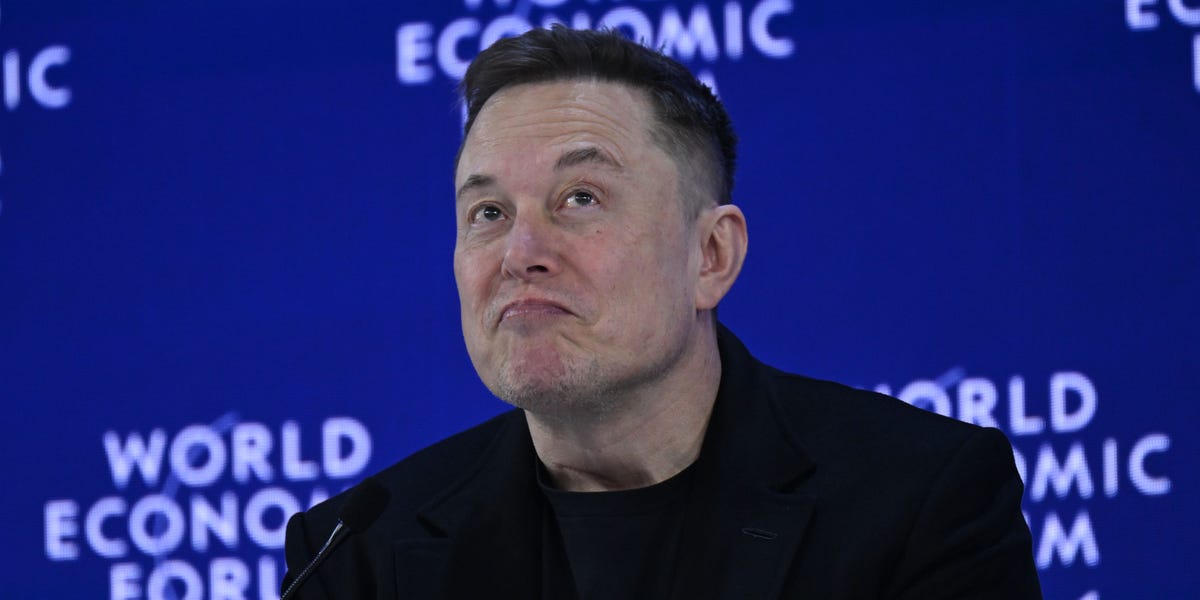
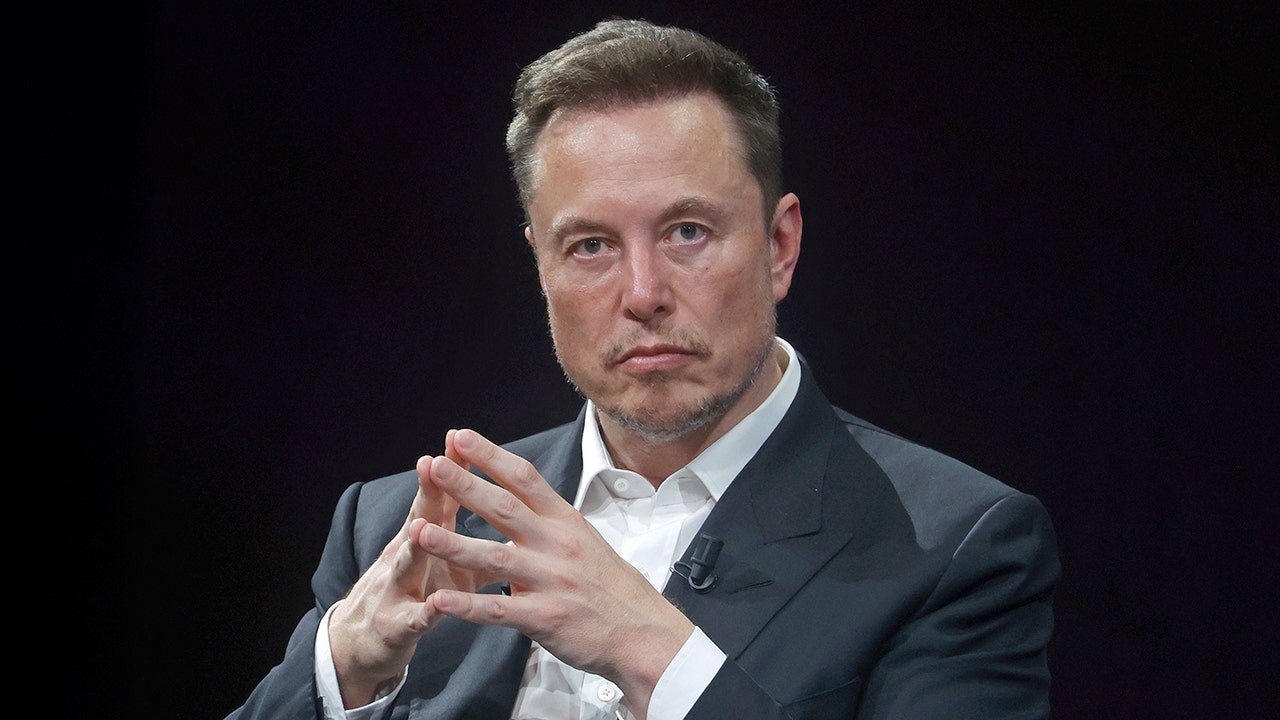
However, Elon Musk’s rapid intervention to pause this initiative reveals a profound conflict in the platform’s governance. Musk’s decision to shelve the plan hours after its announcement suggests a prioritization of uninhibited global engagement over the structural mitigation of inauthentic behavior. This reversal underscores the internal volatility and executive-driven pivot cycles that have defined the platform since 2022.
Strategic Implications for Platform Stability and Regulation
The recurring pattern of product announcements followed by immediate executive reversals creates institutional instability. This dynamic, previously observed during the tenure of former CEO Linda Yaccarino, persists under current leadership. For stakeholders, this unpredictability diminishes the platform’s reliability as a stable environment for premium advertisers and high-value creators who require policy consistency.
Competitively, the failure to implement structural safeguards against inorganic growth leaves X exposed to escalating regulatory pressure. International bodies are increasingly focused on the role of social media in facilitating foreign interference. By rejecting a product-level solution to the ‘troll problem,’ the platform may be inviting more invasive external oversight or legislative mandates aimed at protecting digital sovereignty.
Current economic incentives favor high-conflict, high-reach content—the primary output of coordinated influence networks. Without a mechanism to differentiate between authentic domestic discourse and subsidized foreign propaganda, the platform risks long-term data integrity degradation. This erosion of trust can trigger a flight of premium advertisers wary of brand association with state-sponsored disinformation campaigns.
Geopolitical Leverage and Financial Moral Hazard
Allegations of foreign interference via X’s payout system raise existential questions about the responsibilities of private platforms. If a platform’s financial infrastructure can be utilized to fund operations against its host state, that platform becomes a national security liability. This creates a paradox where the absolute defense of free speech may facilitate the subversion of the democratic processes that guarantee such rights.
Modern social media allows for a level of precision in narrative deployment that far exceeds historical propaganda efforts. The ability of foreign adversaries to utilize domestic payout systems to wage informational warfare represents a significant evolution in global conflict. Furthermore, the rapid advancement of adversarial AI suggests that the window for effective self-regulation is closing. If domestic platforms cannot manage the influx of AI-generated, foreign-linked content, they risk being outmatched by adversarial technologies.
The current revenue-sharing model creates a moral hazard: the platform profits from the engagement generated by the very actors it seeks to mitigate. This alignment of incentives between platform revenue and the reach of inorganic networks presents a critical reputational risk. Investors must weigh short-term engagement metrics against the long-term risk of association with state-sponsored influence operations. Ultimately, X’s survival will depend on its ability to reconcile the demands of global reach with the necessity of domestic security.