Strategic Antagonist Selection: Ed Skrein and the Baldur Archetype
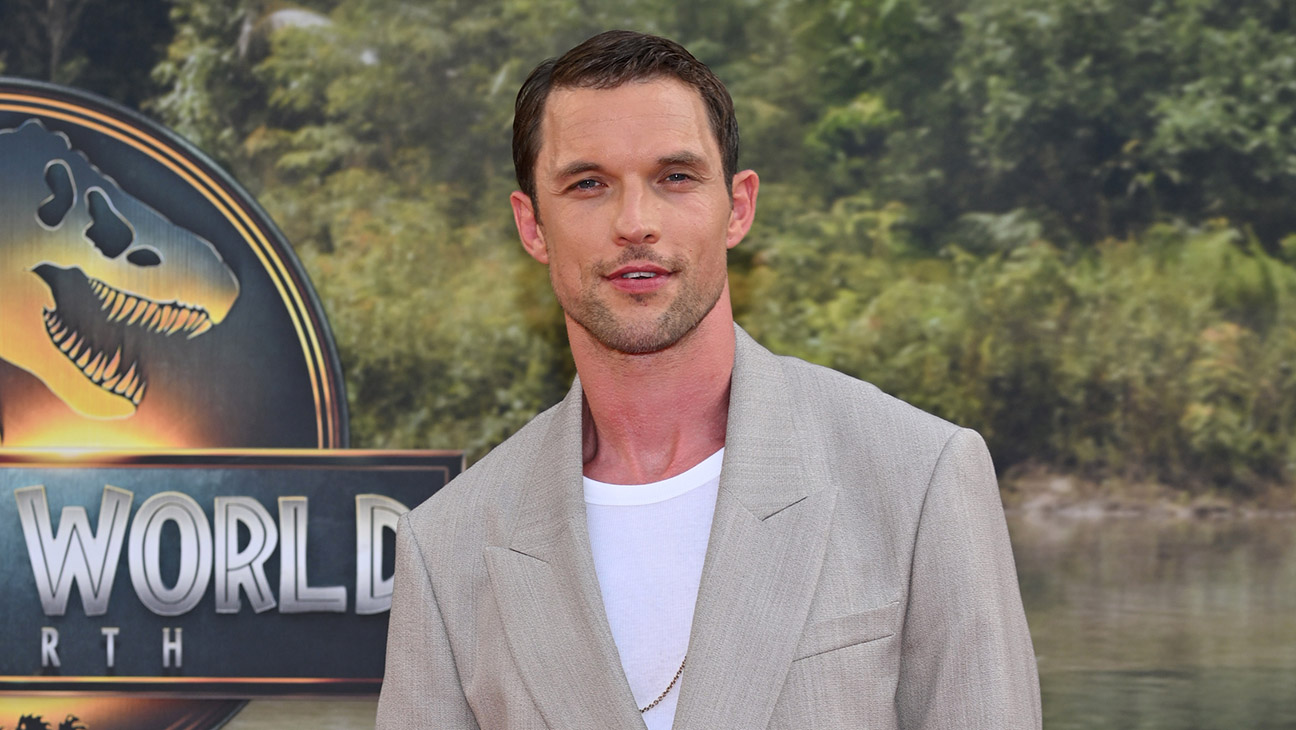
Prime Video has reached a critical milestone in the development of its ‘God of War’ series by casting Ed Skrein as Baldur. This decision transcends simple talent acquisition; it represents a strategic alignment between character psychology and actor equity. Skrein, known for portraying complex antagonists in ‘Deadpool’ and ‘Rebel Moon,’ brings a proven capacity for ‘menacing vulnerability’—a requirement for Baldur, whose narrative arc is defined by the existential agony of invulnerability. By securing Skrein, Amazon is de-risking the adaptation by ensuring the central conflict is anchored by a performer capable of sustaining the high-stakes physical and emotional requirements of the source material.
IP Operationalization: Translating Gaming Mechanics to Cinematic Narrative
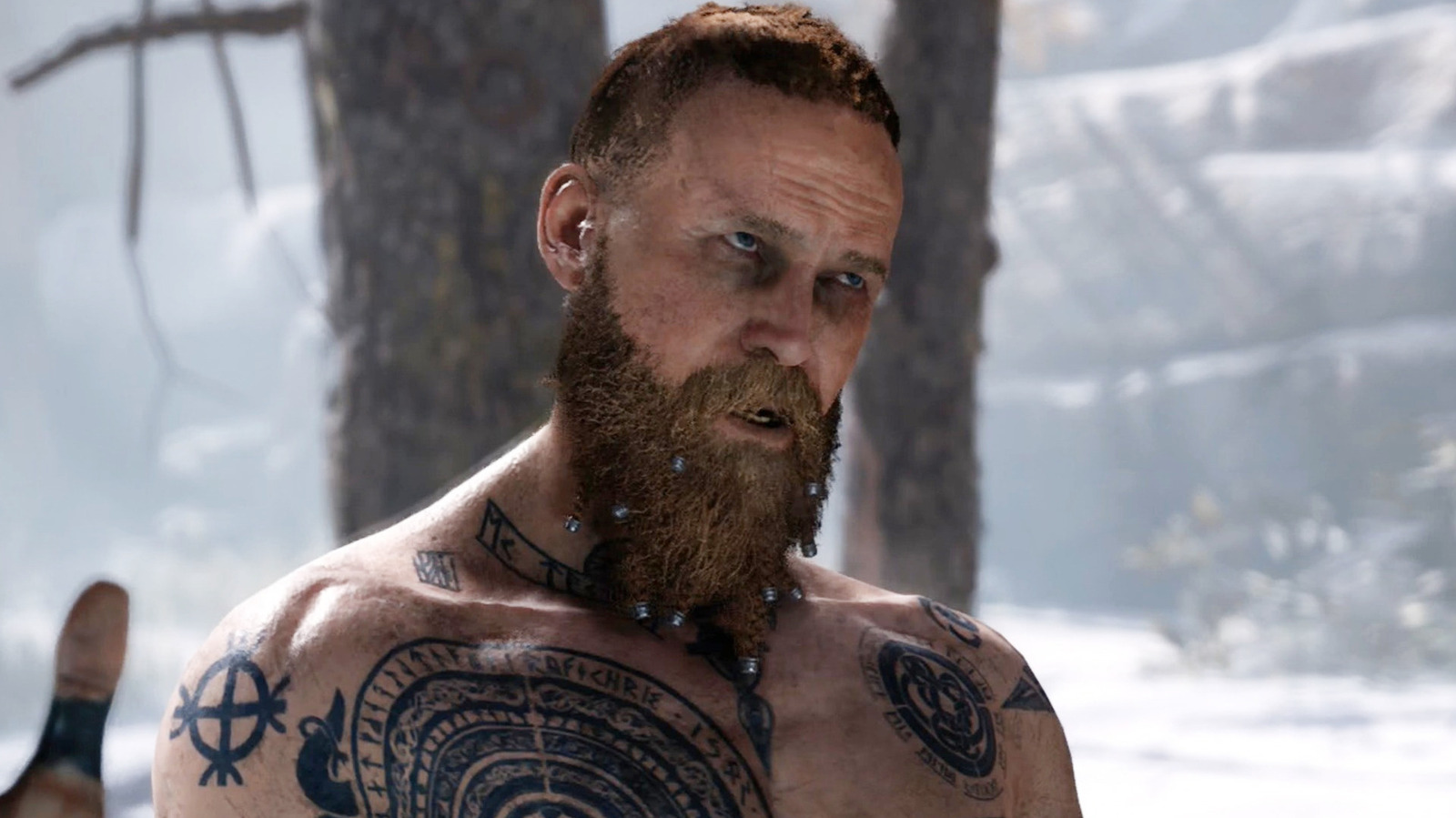
The selection of Baldur as the primary antagonist for the initial seasons underscores a commitment to the 2018 game’s foundational narrative. Operatively, Baldur serves as a mirror to Kratos; his inability to feel pain or pleasure provides a visceral counterpoint to Kratos’s stoicism. Translating this specific game mechanic—a curse that functions as both a superpower and a psychological burden—into a live-action performance requires the nuanced physicality Skrein possesses. This casting choice suggests a production philosophy that prioritizes narrative fidelity to satisfy core enthusiasts while leveraging Skrein’s recognizable profile to capture broader demographic segments.
Capital Allocation and Multi-Season Scalability
Amazon’s preemptive two-season order represents an aggressive capital allocation strategy aimed at securing a competitive moat in the ‘Streaming Arms Race.’ This ‘long-runway’ approach allows showrunner Ronald D. Moore and director Frederick E.O. Toye to execute complex world-building without the constraints of immediate, single-season performance metrics. By committing to a multi-season arc early, Prime Video can amortize production costs across a broader narrative canvas, facilitating a more comprehensive exploration of the ‘God of War’ and ‘Ragnarök’ storylines.
Market Positioning and Stakeholder Synergies
For Sony and PlayStation, the adaptation serves as a high-leverage brand extension. A successful series creates a reciprocal ecosystem: television viewers are converted into game consumers, while the existing player base provides a guaranteed initial audience. This symbiosis is critical for maintaining the relevance of legacy gaming IPs in a saturated media market. Prime Video’s investment in ‘God of War’ positions it directly against competitors like HBO (The Last of Us) and Netflix (The Witcher), signaling a transition from experimental adaptations to a standardized model of prestige gaming-to-streaming translations.
Mitigating Adaptation Risk via Creative Leadership
The inclusion of seasoned creative leadership—specifically Ronald D. Moore—mitigates the inherent volatility of adapting interactive media. Moore’s expertise in managing dense lore and character-driven drama is essential for navigating the ‘uncanny valley’ of game-to-film transitions. The strategic synergy between Moore’s narrative oversight, Toye’s visual direction, and the core ensemble of Skrein (Baldur), Ryan Hurst (Kratos), and Callum Vinson (Atreus) suggests a calculated attempt to replicate the critical and commercial success of the source material’s 2018 reinvention.