Storm Threat Assessment and Geographical Disparity
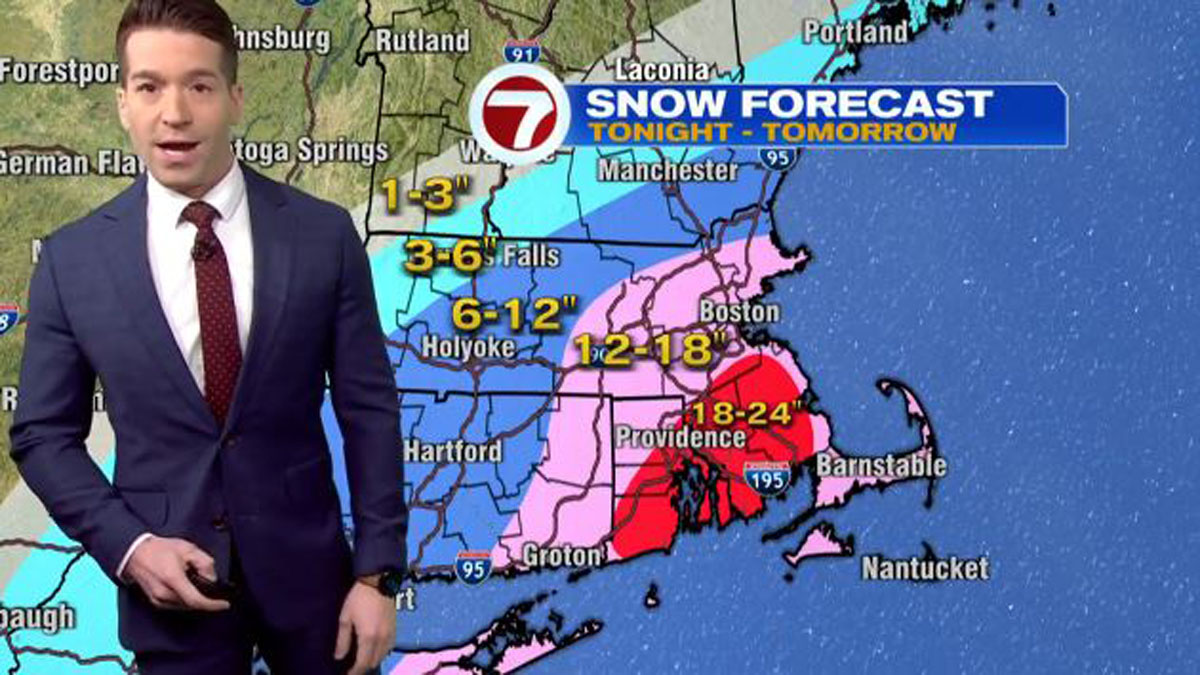
Massachusetts has entered a critical pre-storm phase following the issuance of Blizzard Warnings spanning the eastern and southeastern quadrants, signaling a severe disruption to regional logistics and public safety apparatus. The impending Nor’easter, commencing late Sunday and peaking Monday, presents a dual threat: snowfall accumulation reaching 18-24 inches in the most vulnerable coastal zones, coupled with damaging wind gusts exacerbating structural load and power grid exposure.
The logistical challenge is intrinsically segmented. Western Massachusetts faces moderate accumulation (6-12 inches), requiring standard winter preparedness, whereas the South Shore and Cape Cod must allocate disproportionate capital for intensive snow removal and de-icing. This uneven impact forces dynamic resource reallocation, testing the efficiency of statewide mutual aid protocols.
I. Logistical Friction and Utility Resilience
Supply Chain Strain and Capital Allocation
Anticipated transport stoppages due to low visibility and road closures (especially on I-95 and I-90 corridors) will immediately stress regional distribution networks. Localized inventory depletion, particularly for essentials like fuel and de-icing agents, mandates preemptive inventory staging. For logistics firms, the economic calculus shifts toward absorbing demurrage costs versus facing mandated shutdowns, impacting Monday morning throughput across the MetroWest business centers.
Power Grid Vulnerability Analysis
The mechanism of this Nor’easter—heavy, wet snow combined with sustained wind speeds—creates an optimal condition for widespread utility failures. Utility providers face elevated risk to transmission towers and distribution lines from ice-laden branches. The hourly snow rate forecast (potentially >2 inches/hour) challenges current clearance technology. Proactive grid hardening expenditures are being weighed against the quantifiable cascading economic losses from prolonged service interruptions affecting critical services like healthcare and finance.
II. Regulatory Exposure and Stakeholder Response
Coastal Flooding and Insurance Liability
The inclusion of explicit coastal flooding warnings introduces liability beyond typical snow event claims, impacting property and casualty insurers covering shoreline assets in communities like Marshfield and New Bedford. Municipalities must coordinate immediate compliance with state emergency management directives regarding potential mandatory evacuations, invoking regulatory frameworks that bypass standard budgetary constraints.
Administrative Triggers and Governance Efficiency
The declaration of a State of Emergency serves as the administrative catalyst, unlocking emergency funding streams and authorizing the deployment of state assets, including the Massachusetts National Guard. The test lies in the velocity of administrative activation against the storm’s onset timeline (Sunday evening). Public trust dynamics are heavily influenced by the perceived competence of municipal response; failures in snow clearance or inadequate communication directly reduce future public compliance with critical safety mandates.
III. Economic Fallout and Public Perception
Impact on Economic Activity
The storm duration effectively targets the transition between weekend preparedness and the start of the business week. Mandatory operational halts result in direct productivity loss and increased overhead for entities that remain functional (e.g., essential services requiring overtime staffing). Investment in business continuity planning (backup power, remote infrastructure) is proving to be a measurable competitive advantage for large regional employers navigating the disruption.
Meteorological Context and Public Fatigue
This Nor’easter must be contextualized against increasing meteorological volatility. While citizens express documented ‘weather fatigue’ after repeated severe events, the high confidence in NWS projections for this event demands clear, authoritative communication. The strategic integration of granular digital data (e.g., localized accumulation maps) aids in public risk calculation, necessitating robust cybersecurity for government dissemination platforms during peak digital traffic.
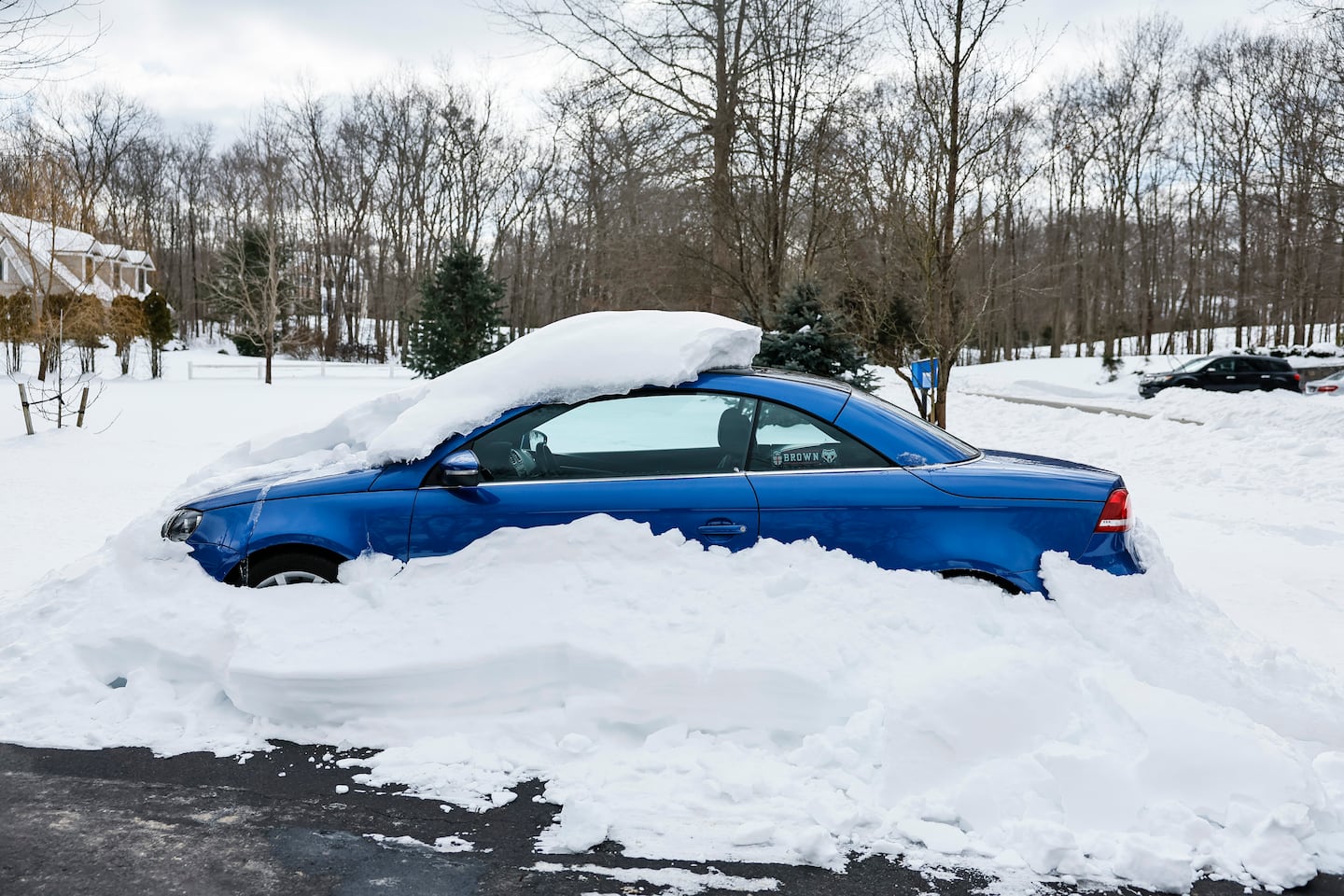
Recovery operations face an extended constraint period; residual snowpack and drifting in exposed areas will slow the return to normalcy well into Tuesday, necessitating sustained operational readiness beyond the primary 36-hour event window.