Analysis: US Olympic Strategy Faces Structural Challenges Despite High-Profile Wins
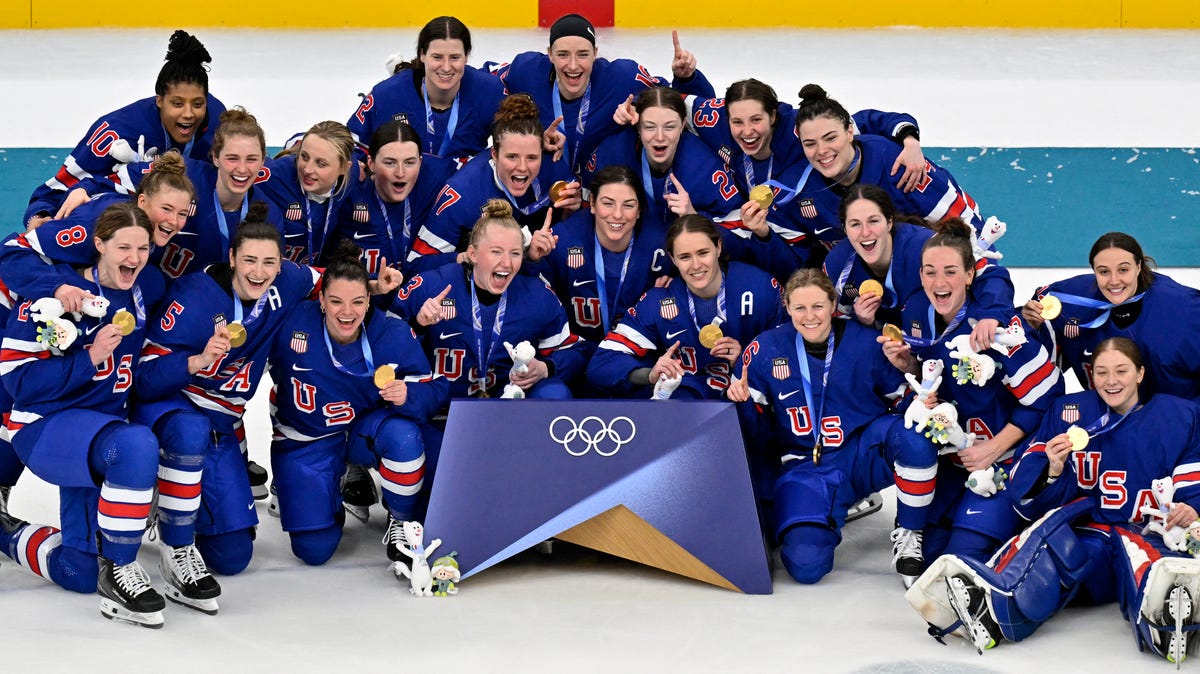
The United States secured key victories at the 2026 Milan Cortina Winter Olympics, notably capturing gold in women’s hockey and multiple medals in speedskating. These high-profile successes, however, highlight a strategic disparity in national sports investment models when contrasted with the overall medal count leader, Norway. The results underscore fundamental differences in athlete development pipelines and resource allocation, raising questions about long-term sustainability and competitive positioning for future games.
The US Model: High-Cost Specialization and Structural Vulnerabilities
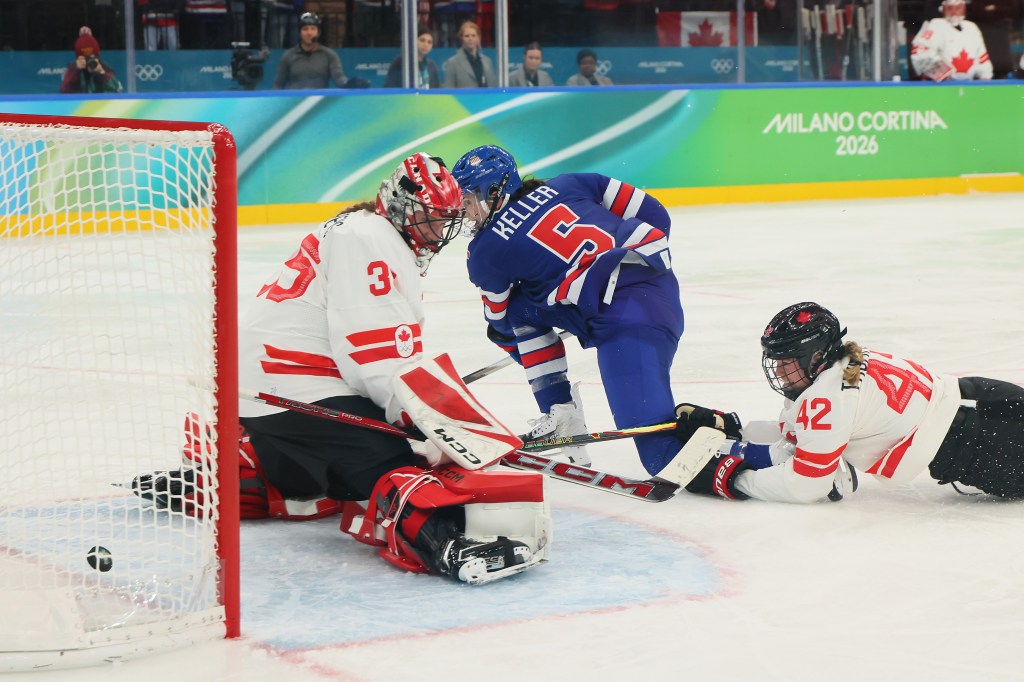
US success often relies on targeted investment in specific disciplines and individual athlete specialization. The victory in women’s hockey, secured by Megan Keller’s overtime goal against Canada, represents a significant return on investment in a high-visibility sport. The success validates sustained funding and development programs dedicated to this specific discipline, which has produced generational talents like captain Hilary Knight, who broke U.S. Olympic records for career goals and points during the tournament.
Similarly, Jordan Stolz’s performance in speedskating exemplifies the high-risk, high-reward nature of individual specialization. His success in the 500 and 1,000 meters places him in historical context, drawing comparisons to Eric Heiden’s 1980 five-gold performance. However, this individual brilliance contrasts sharply with broader structural challenges. The U.S. model, often decentralized and reliant on high-cost private club systems and collegiate athletics, struggles to cultivate consistent depth across multiple distances and disciplines. This creates bottlenecks in talent identification and limits access, making the program vulnerable to fluctuations in individual performance and external competitive pressures.
The Norwegian Model: Broad-Based Development and Systemic Advantage
The medal count snapshot on February 19, showing Norway leading significantly with 34 total medals (16 gold), underscores a fundamental difference in national sports strategy. The source explicitly references Norway’s “Youth Sports Model” as the foundation for its sustained Olympic dynasty. This model emphasizes broad participation, non-specialization until later adolescence, and a focus on community engagement. By prioritizing long-term physical literacy and reducing burnout associated with early specialization, Norway creates a deeper talent pool across a wider range of disciplines.
This approach enables Norway to consistently perform well in events like cross-country skiing, biathlon, and ski jumping. The result is a high volume of medals across diverse categories, rather than concentrated success in a few high-profile events. The disparity in medal counts highlights the long-term strategic advantage of investing in broad participation and community-based development over a high-cost, elite-focused model.
Global Competitive Shifts and Strategic Implications
The competitive landscape in winter sports is rapidly evolving. Jordan Stolz’s loss to China’s Ning Zhongyan in the 1,500 meters, where Ning set an Olympic record, signals a significant shift in competitive dynamics. China’s targeted, state-backed investment in winter sports, particularly in disciplines where technology and training methods can rapidly close performance gaps, presents a growing challenge to established powers like the United States and the Netherlands. This outcome reflects a broader trend where emerging nations are leveraging centralized programs to achieve rapid success in specific events, altering traditional competitive hierarchies.
For national sports organizations, the 2026 Winter Olympics data presents a critical choice: either to continue prioritizing high-profile, high-probability events with targeted investment, or to implement broader structural changes to foster a deeper talent pool by lowering barriers to entry. The Norwegian model’s success suggests that a focus on participation and non-specialization yields superior long-term results, challenging the traditional U.S. approach in an increasingly competitive global environment.
Media Rights and Strategic Monetization
The media landscape surrounding the 2026 Winter Olympics highlights the strategic value of live sports content in a fragmented market. NBC’s exclusive broadcast rights across its suite of networks and streaming service, Peacock, demonstrate the critical role of these events in driving subscriptions and audience engagement. The shift toward streaming exclusivity reflects a broader industry trend where media companies leverage high-value content to acquire and retain subscribers, moving away from traditional broadcast models.
The high cost of acquiring Olympic broadcast rights necessitates sophisticated monetization strategies. The integration of traditional broadcast with streaming platforms like Peacock allows NBC to segment its audience and maximize advertising revenue from linear television while simultaneously building a subscriber base for its streaming service. USA TODAY’s multi-platform coverage strategy, utilizing newsletters and direct communication channels like WhatsApp, further illustrates the evolution of sports journalism in response to audience demand for real-time updates and personalized content in a competitive media ecosystem.