Sharks Terminate Jeff Skinner Contract, Initiating Roster Rebuild
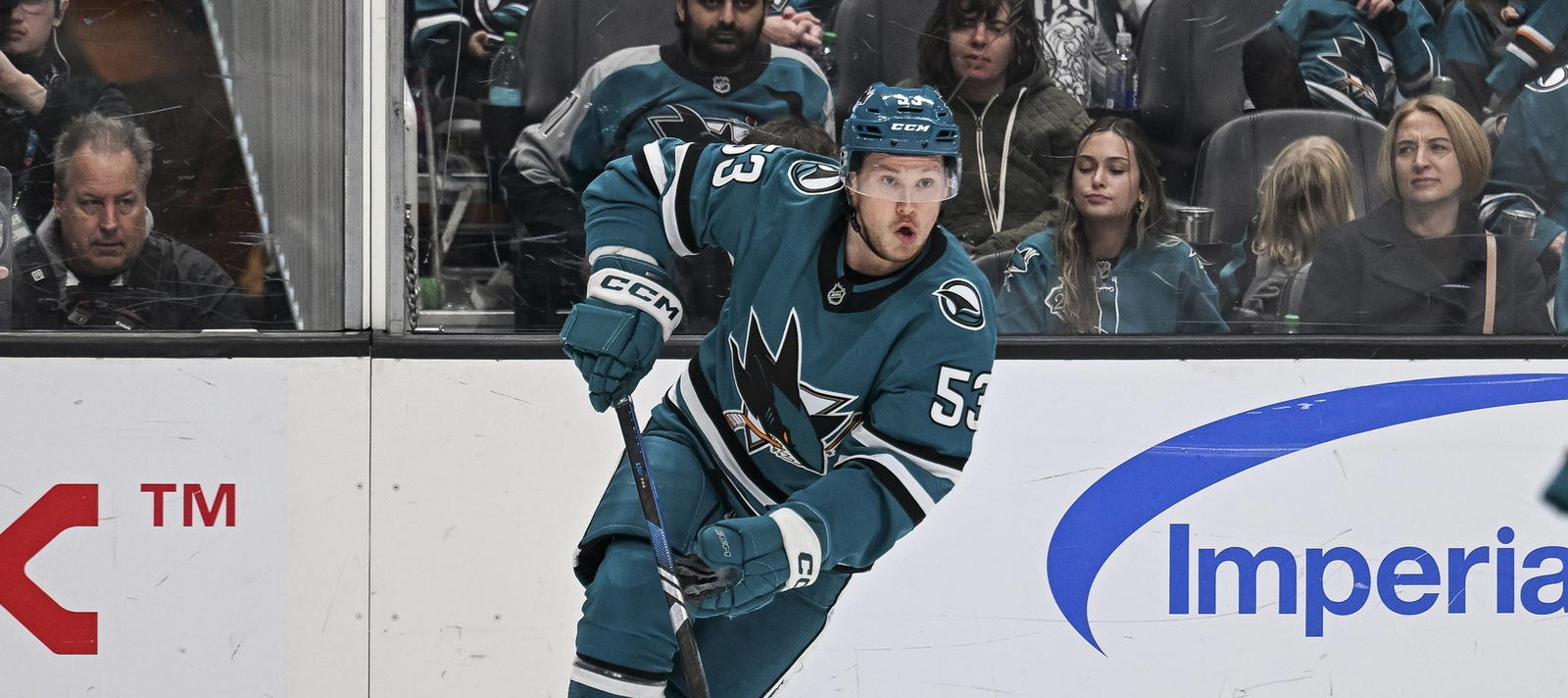
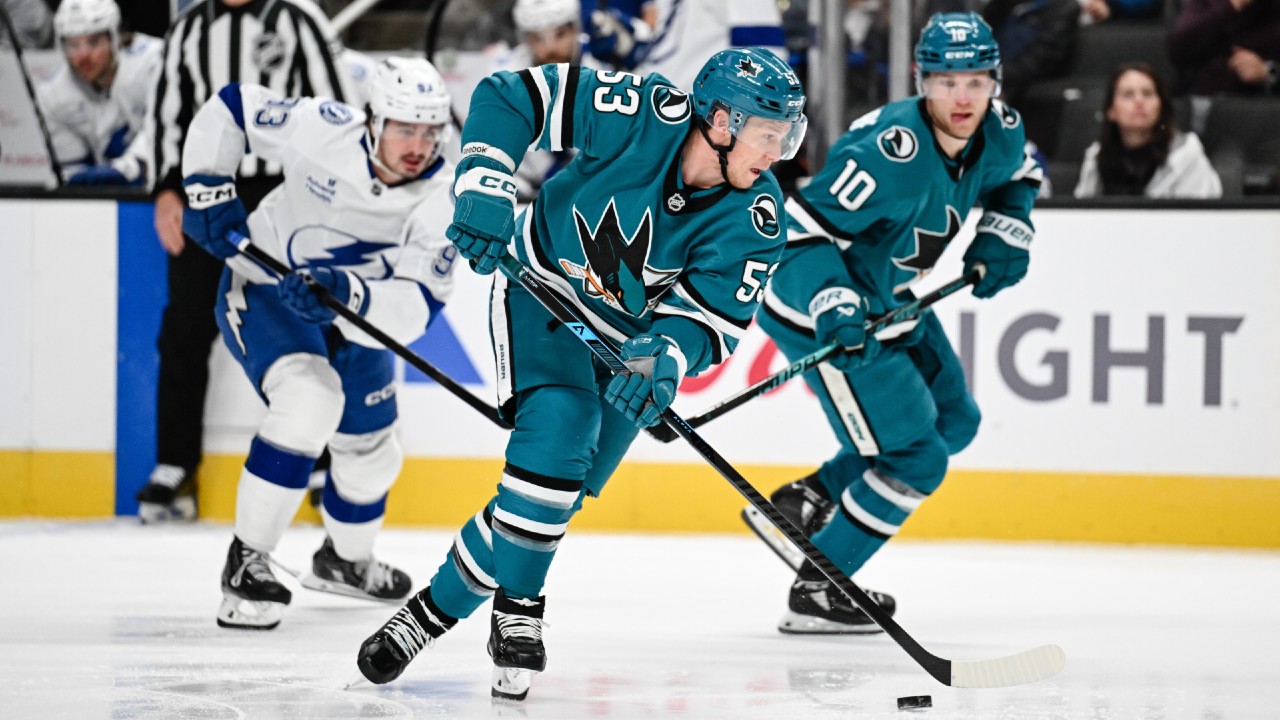
The San Jose Sharks have placed veteran winger Jeff Skinner on unconditional waivers for contract termination. This decisive move, effective Monday, signals a strategic pivot aimed at enhancing salary cap flexibility and facilitating a significant roster reorientation. If Skinner clears waivers, he will become an unrestricted free agent Tuesday, less than three weeks prior to the NHL trade deadline, injecting dynamism into player movement.
Skinner, 33, has posted six goals and 13 points in 32 games for the Sharks this season, a statistical output that has not met organizational expectations. His last game was January 11, followed by being a healthy scratch, indicating a strategic divergence. This decision reflects the Sharks’ assessment of current roster needs and future strategic direction, prioritizing adaptability over existing contractual commitments.
The Sharks signed Skinner to a one-year, $3 million contract in July, a deal mirroring his previous agreement with the Edmonton Oilers. In 2024-25 with Edmonton, he recorded 16 goals and 29 points in 72 games, contributing to their Stanley Cup Final run with one goal and two points in five playoff contests. This recent history underscores proven offensive capability, despite a recent decline in production across multiple franchises.
Originally the seventh overall pick in the 2010 NHL Entry Draft by the Carolina Hurricanes, Skinner has amassed 379 goals and 712 points in 1,110 career NHL games. He is a five-time 30-goal scorer, with a career-high of 40 goals for the Buffalo Sabres in 2018-19. His history of substantial offensive output makes his current statistical performance a key point of strategic evaluation.
Skinner’s tenure with the Sharks has been marked by a statistical downturn and reduced ice time, averaging a career-low 12:21 per game. His minus-eight plus-minus rating further indicates on-ice challenges. A lower-body injury in November potentially impacted his rhythm and performance consistency throughout the season.
This contract termination is not Skinner’s first experience with such an outcome; the Buffalo Sabres bought out his contract after the 2023-24 season. That move concluded an eight-year, $72 million deal with a $9 million cap hit, representing a significant financial and strategic recalibration for the Sabres. His subsequent one-year, $3 million contract with the Oilers and this termination with the Sharks illustrate a pattern of performance-based, short-term agreements and strategic career adjustments.
The Sharks’ decision to waive Skinner for contract termination underscores their strategic imperative for financial flexibility and resource reallocation. This action allows the franchise to shed salary obligations and explore new player acquisitions or development initiatives, critical for a team in rebuilding mode seeking to optimize its roster and align with long-term competitive goals.
For Skinner, this waiver placement and potential termination offer a new beginning under uncertain conditions. As a free agent with a history of significant offensive production, he is likely to attract interest from teams needing to bolster forward depth, particularly approaching the trade deadline. His ability to recapture past form will be a crucial factor for any acquiring team, given recent performance trends.
The NHL waiver system, especially unconditional waivers for contract termination, creates a distinct market dynamic. Teams have a limited window to claim a player at their current contract value, but termination liberates the player to sign elsewhere as a UFA. This process often leads to strategic choices: absorbing a contract for potential draft pick compensation or allowing a player to become a free agent to avoid future cap implications.
The Sharks’ strategic termination of Skinner’s contract reflects a broader trend in professional sports toward prioritizing organizational agility and cost-efficiency. In a salary-capped league, effective contract management is paramount. This move allows San Jose to preemptively address future cap penalties associated with buyouts or long-term deals, granting immediate flexibility.
Skinner’s career arc, from Calder Trophy candidate to facing contract termination, highlights the inherent volatility and performance-driven nature of professional hockey. His past success as a prolific scorer provides a compelling narrative, but recent struggles raise questions about his long-term fit. Market interest will likely hinge on a careful evaluation of current capabilities against historical performance.
The implications of this move extend beyond the Sharks and Skinner, contributing to the evolving landscape of player movement and contract management in the NHL. As teams navigate cap constraints and strive for competitive balance, contract terminations become a strategic tool influencing player valuations and team-building strategies league-wide.
The Sharks’ organizational strategy appears focused on a significant overhaul, moving away from veteran contracts that do not align with current performance metrics or future outlook. This approach is vital for franchises in transitional phases, shifting emphasis towards developing youth and acquiring assets offering greater long-term value and flexibility.
Skinner’s situation also highlights the role of player agents and contract negotiations in the modern NHL. Securing lucrative, long-term deals is a primary objective, but the reality of performance-based contracts and buyouts underscores inherent risks. His career illustrates the dynamic interplay between player performance, team strategy, and contractual outcomes.
The timing of this waiver placement, preceding the trade deadline, suggests a calculated move by Sharks management. It provides potential acquiring teams a brief assessment window, potentially generating interest or facilitating San Jose’s immediate roster adjustments. This timing aims to maximize the impact of their decision on both their roster and the broader NHL player market.
Furthermore, the financial implications for both the Sharks and Skinner are significant. While the Sharks may absorb a portion of Skinner’s remaining salary depending on waiver claims or termination clauses, his departure frees up cap space. For Skinner, becoming a UFA presents an opportunity to negotiate a new contract, potentially at a reduced salary, with a team believing it can reignite his offensive production.
The historical context of Skinner’s career, including his early success and franchise shifts, frames this current situation. His past goal-scoring ability suggests latent talent, but the sustained decline in production and repeated contract adjustments indicate underlying challenges for prospective teams to consider.
The San Jose Sharks’ organizational philosophy, as demonstrated by this move, prioritizes proactive roster management and decisive action to achieve strategic objectives. This approach is crucial for teams aiming to climb the standings or rebuild effectively, allowing for continuous evaluation and adaptation of personnel and financial commitments.
Skinner’s experience underscores the competitive pressures within the NHL, where player performance is constantly scrutinized and team strategies evolve rapidly. The league’s structure, with its salary cap and trade deadlines, fosters a dynamic environment where such roster adjustments are often necessary for sustained competitiveness.
The ultimate outcome for Jeff Skinner will depend on NHL teams’ interest and his willingness to accept a new contract under potentially altered terms. His past achievements offer a compelling case for his potential, but recent performance will be a primary consideration for any club evaluating his acquisition.
This contract termination by the Sharks is more than a roster move; it’s a strategic maneuver reflecting the financial realities and competitive demands of the modern NHL. It emphasizes the importance of adaptability and decisive action for franchises seeking to optimize performance and long-term viability.
The implications for the NHL’s free agent market are also noteworthy. Skinner’s availability as a UFA, even under these circumstances, adds a veteran presence with a proven scoring history to the available player pool, potentially creating opportunities for teams seeking immediate offensive help.
The Sharks’ decision to waive Skinner for contract termination signals a commitment to a strategic reset, prioritizing future flexibility and roster optimization over a contract that no longer aligns with performance objectives. This proactive approach is essential for navigating the NHL landscape and building sustainable competitive advantage.
Ultimately, the situation surrounding Jeff Skinner and the San Jose Sharks serves as a case study in strategic player contract management and roster construction in professional sports, emphasizing the constant need for organizations to adapt and make decisions that best serve long-term competitive interests.
The league’s emphasis on salary cap management renders every contract a strategic asset or liability. The Sharks’ move to terminate Skinner’s contract clearly indicates they view this obligation as a liability to be addressed for unlocking future strategic options.
Skinner’s career arc, from highly touted prospect to facing contract termination, reflects the unforgiving nature of professional sports. Success requires sustained performance, highlighting the critical importance of consistency and adaptability for players navigating the NHL.
The San Jose Sharks’ strategic decision to waive Jeff Skinner for contract termination marks a pivotal moment, signaling a clear intent to reshape their roster and financial structure. This move underscores the dynamic nature of professional sports management, where adaptability and decisive action are crucial for achieving long-term competitive success.