Strategic Repositioning: Heritage as a Marketable Asset
Salford City FC’s ambitious objective to be the “best small club in the world by 2030” is fundamentally tied to a calculated aesthetic shift: reinstating traditional orange and black colors next season. This pivot is a deliberate act of heritage marketing, mirroring the brand incubation models, notably Inter Miami CF’s differentiation strategy, to enhance global marketability beyond EFL League Two confines.
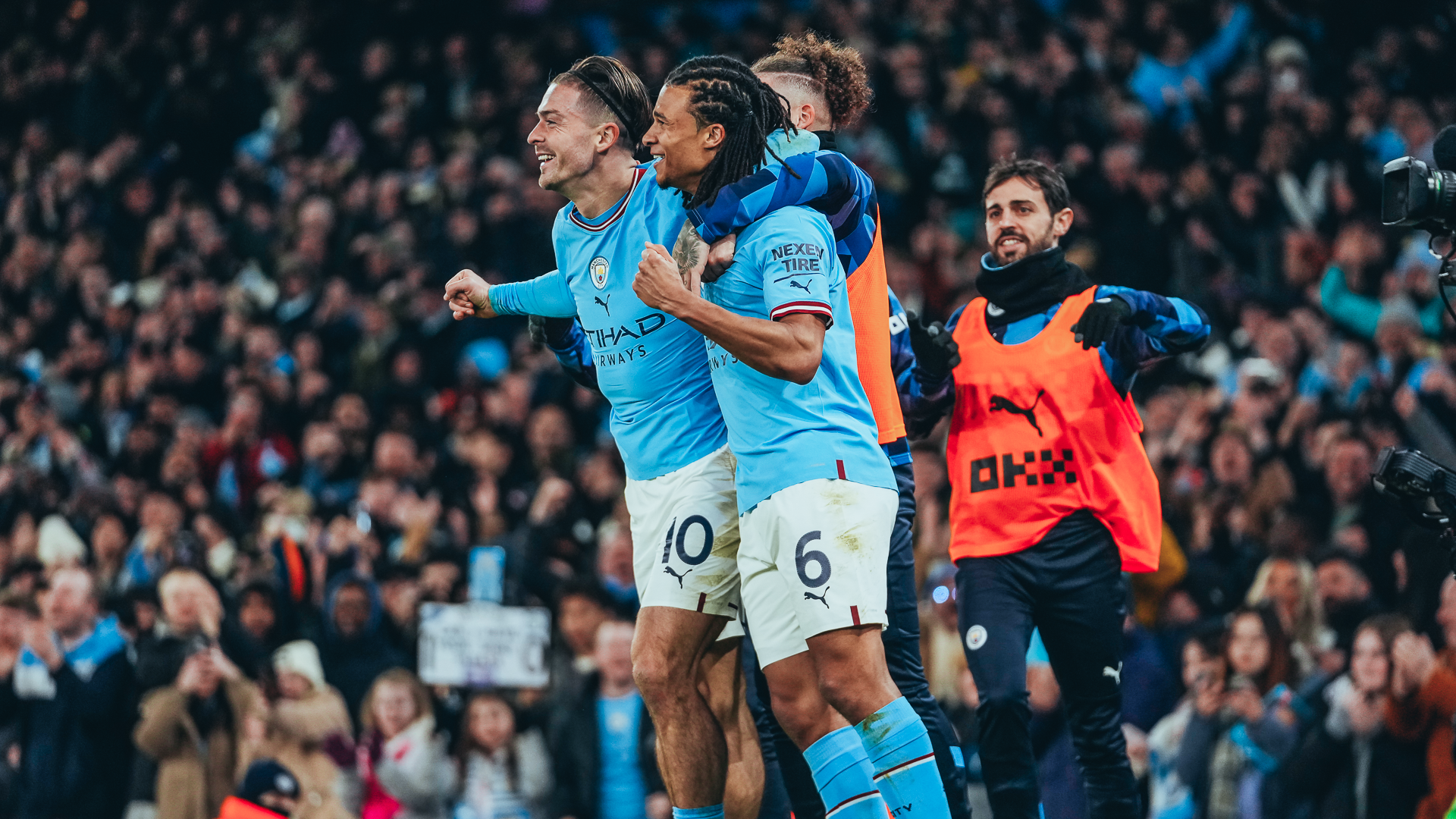
The immediate, high-leverage utility of this repositioning is exemplified by the FA Cup Fourth Round fixture against Manchester City. This globally televised knockout match offers Salford an unparalleled, temporary surge in international exposure, bypassing the standard, low-penetration media cycles endemic to the lower leagues.
Ownership Pedigree and Capital Acceleration
The club’s unique institutional pedigree, originating from the 2014 takeover involving Class of ’92 members and Peter Lim, subsequently strengthened by David Beckham’s 2019 investment, establishes an inherent credibility framework. While ownership structures have evolved, the remaining high-profile figures (Beckham and Gary Neville) provide crucial access to international capital networks necessary for scaling operations toward the 2030 targets.
The transition from a ninth-tier amateur club to a League Two fixture, propelled by phased capital deployment, positions the current rebrand as the critical next phase: converting historical association and celebrity equity into tangible commercial velocity and superior sponsorship appeal required for sustained growth.
Asymmetric Competitive Benchmarking
The FA Cup tie presents a stark competitive disparity. Manchester City utilizes this fixture as a procedural step in defending their Premier League title challenge (currently closing a four-point gap) and their bid for an eighth FA Cup trophy, relying on squad depth demonstrated in previous rounds against strong opposition like Arsenal and Tottenham.
Conversely, Salford’s competitive benchmark is localized: achieving Fourth Round progression for the first time, marking an incremental on-field achievement within their tier. This asymmetry defines the fixture’s asymmetric leverage: City risks minimal competitive disruption, while Salford gains maximum narrative capitalization.
Disrupting the EFL Visibility Hierarchy
Salford’s brand strategy explicitly targets disruption within the English Football League’s visibility structure. By adopting a high-octane, globally informed marketing blueprint akin to successful MLS expansion franchises, the club aims to carve out a specialized market segment appealing to international investors and diaspora audiences.
The success metric transcends gate receipts; it relies on translating ephemeral media attention into long-term, high-value commercial partnerships. The rebrand seeks to decouple institutional valuation trajectory from the limitations of domestic performance metrics, aligning instead with global sports asset trends.
Global Reach via Media Distribution Channels
The confirmed broadcast distribution, including ESPN+ streaming in the U.S., validates the immediate global reach required by the strategy. This platform directly targets the North American audience familiar with the ownership group’s established investment portfolio. The scheduling guarantees premium media slots, and the strategic imperative is ensuring broadcast commentary embeds the rebrand narrative alongside the scoreline.
Reputational Risk and Brand Scaling Challenges
High-visibility ownership amplifies reputational risk. Failure of the rebrand to generate requisite commercial uplift will expose the disparity between the global marketing narrative and the operational reality of League Two, drawing scrutiny to capital allocation efficiency. Furthermore, reliance on annual FA Cup progression for narrative resets creates vulnerability; consistent early exits will erode the premium visibility generated.
The institutional challenge involves identity scaling: authentically balancing the nostalgia of the local heritage (colors) with the aspirational global commercial mandate. This requires sophisticated navigation to satisfy local fan expectations while attracting external, sophisticated investment aligned with the global blueprint.
Conclusion: Narrative Monetization Under Scrutiny
Salford City is executing a sophisticated maneuver to exploit the structural anomaly of the FA Cup—where resource disparity is temporarily masked by knockout format—to inject significant brand equity. The orange and black return is the commercial vehicle for realizing the value latent in the Beckham-Neville association, aiming for a 2030 valuation based on global brand penetration rather than solely on domestic league ascent. The immediate challenge is the efficient monetization of this fleeting spotlight before competitive constraints reassert themselves.