Institutional Scrutiny of Executive Trade Authority
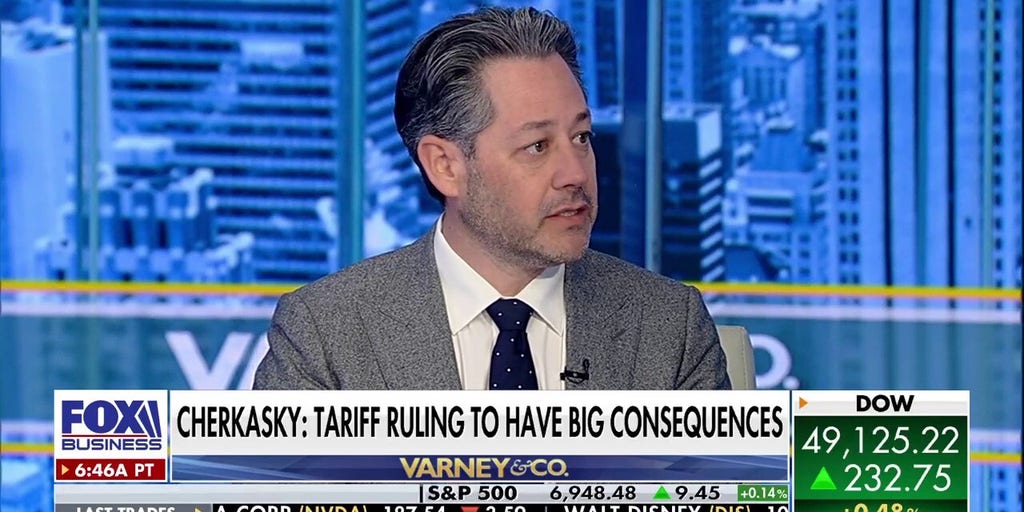
The United States Supreme Court has entered a critical phase of judicial review regarding the application of the International Emergency Economic Powers Act (IEEPA) in the context of trade tariffs. This legal evaluation focuses on the scope of executive authority and the administrative processes used to implement trade barriers under the guise of national economic emergencies.
As the judiciary examines these statutes, the outcome remains one of the most significant regulatory intersections between the executive branch and the private sector in recent years. The determination of whether these tariffs constitute an overreach of statutory authority will establish a long-term precedent for international trade governance and administrative law.
The Structural Role of IEEPA in Trade Policy
The International Emergency Economic Powers Act serves as a foundational tool for the executive branch to regulate commerce during declared periods of national emergency. This delegation of power allows for rapid response to perceived economic threats, yet its application for broad tariff implementation is now under intense judicial scrutiny.
Legal experts characterize the current proceedings as highly complicated due to the layers of administrative procedure and the constitutional implications of delegated legislative powers. The court must balance the necessity of executive flexibility with the traditional legislative authority over taxation and trade regulation.
Expansion of the U.S. Customs Bond Market
The imposition of these tariffs triggered a significant surge in the U.S. Customs bond market as importers were required to secure financial guarantees for increasing duty liabilities. This expansion reflects the administrative reality of trade enforcement where bonds act as a critical risk-mitigation layer for the federal government.
Bonds are essentially financial instruments that ensure the payment of duties, taxes, and fees to U.S. Customs and Border Protection. The boom in this market underscores the massive financial scale of the tariffs and the institutional reliance on private insurers to guarantee government revenue during trade disputes.
The Scale of Private Sector Litigation
Hundreds of importers have initiated legal proceedings to challenge the legality of the tariffs imposed under the IEEPA framework. This mass litigation represents a systemic pushback from the private sector against what many claim is a misapplication of emergency statutes for general trade policy objectives.
These lawsuits are currently coalescing around the Supreme Court’s eventual ruling, which will determine the validity of billions of dollars in collected duties. The volume of cases highlights the structural tension between centralized executive mandates and the economic interests of diverse industrial stakeholders.
Administrative Complexity of Potential Refunds
Should the Supreme Court rule that the IEEPA tariffs were implemented illegally, the federal government would face an unprecedented administrative challenge in processing refunds. This restitution process would involve trillions of data points across thousands of entries and various commodity classifications.
Beyond the simple return of capital, the administrative burden of such a ruling would require a robust framework for auditing and verifying refund eligibility. Companies would need to demonstrate compliance with previous bond requirements while navigating the procedural hurdles of the U.S. Customs and Border Protection’s accounting systems.
The Role of Judicial Deliberation
Justice Ketanji Brown Jackson and her colleagues on the bench are tasked with dissecting the nuances of statutory interpretation that have allowed these tariffs to persist. The timing of the ruling is considered a pivot point for market stability, as industries await clarity on the legality of their current cost structures.
The judicial process involves a deep analysis of legislative intent and the limits of the executive’s ability to interpret emergency powers. This deliberation serves as a corrective mechanism within the separation of powers, ensuring that administrative actions remain within the boundaries of the law.
Impact on Global Supply Chain Strategy
The uncertainty surrounding the IEEPA litigation has forced many organizations to reassess their logistical and financial strategies in real-time. The potential for a sudden shift in tariff status creates a volatile environment for long-term procurement and international partnerships.
Market participants are closely monitoring the procedural developments in the Supreme Court to anticipate shifts in the global competitive landscape. A ruling against the current application of IEEPA could lead to a significant realignment of sourcing strategies and a reduction in the financial barriers for imported goods.
The Institutional Significance of the Ruling
The resolution of this case matters not only for the immediate financial implications but for the future of the administrative state’s role in the global economy. It addresses the fundamental question of how much latitude an administration has to reshape trade policy without direct legislative intervention.
This case serves as a benchmark for the resilience of the U.S. legal system in addressing complex interactions between economic policy and constitutional law. The final decision will likely redefine the operational boundaries for both the executive branch and the international trading community for decades to come.
Market Resilience and Compliance Frameworks
Regardless of the outcome, the infrastructure of the U.S. Customs bond market has proven its capacity to scale in response to regulatory shifts. The ability of the insurance and finance sectors to absorb the increased demand for trade security is a testament to the sophistication of modern trade compliance frameworks.
Ongoing litigation continues to drive demand for specialized legal and administrative expertise as firms seek to protect their interests during the judicial waiting period. This environment fosters a higher degree of institutional rigor within corporate compliance departments as they prepare for multiple potential outcomes.
Concluding Administrative Observations
The Supreme Court’s upcoming decision is a pivotal moment for the administrative integrity of U.S. trade laws. By clarifying the limits of the International Emergency Economic Powers Act, the court will provide the necessary guidance for future administrations and the global business community.
The transition from litigation to implementation will be a lengthy process, requiring coordination between the judiciary, executive agencies, and the private sector. The ultimate impact will be measured in the restoration of legal certainty and the potential redistribution of billions in trade-related capital.