Analysis of the Institutional Transaction Between Red Sox and Brewers
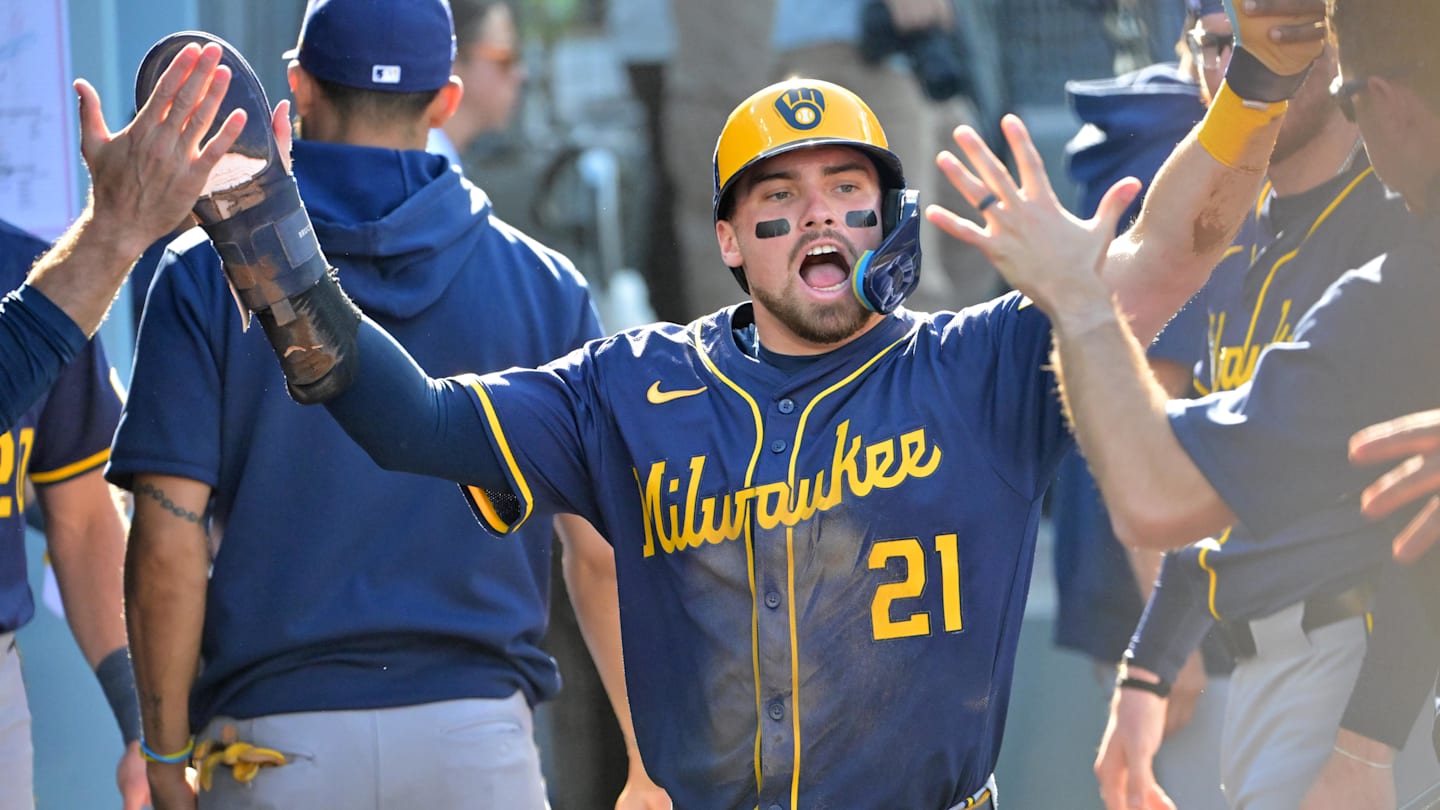
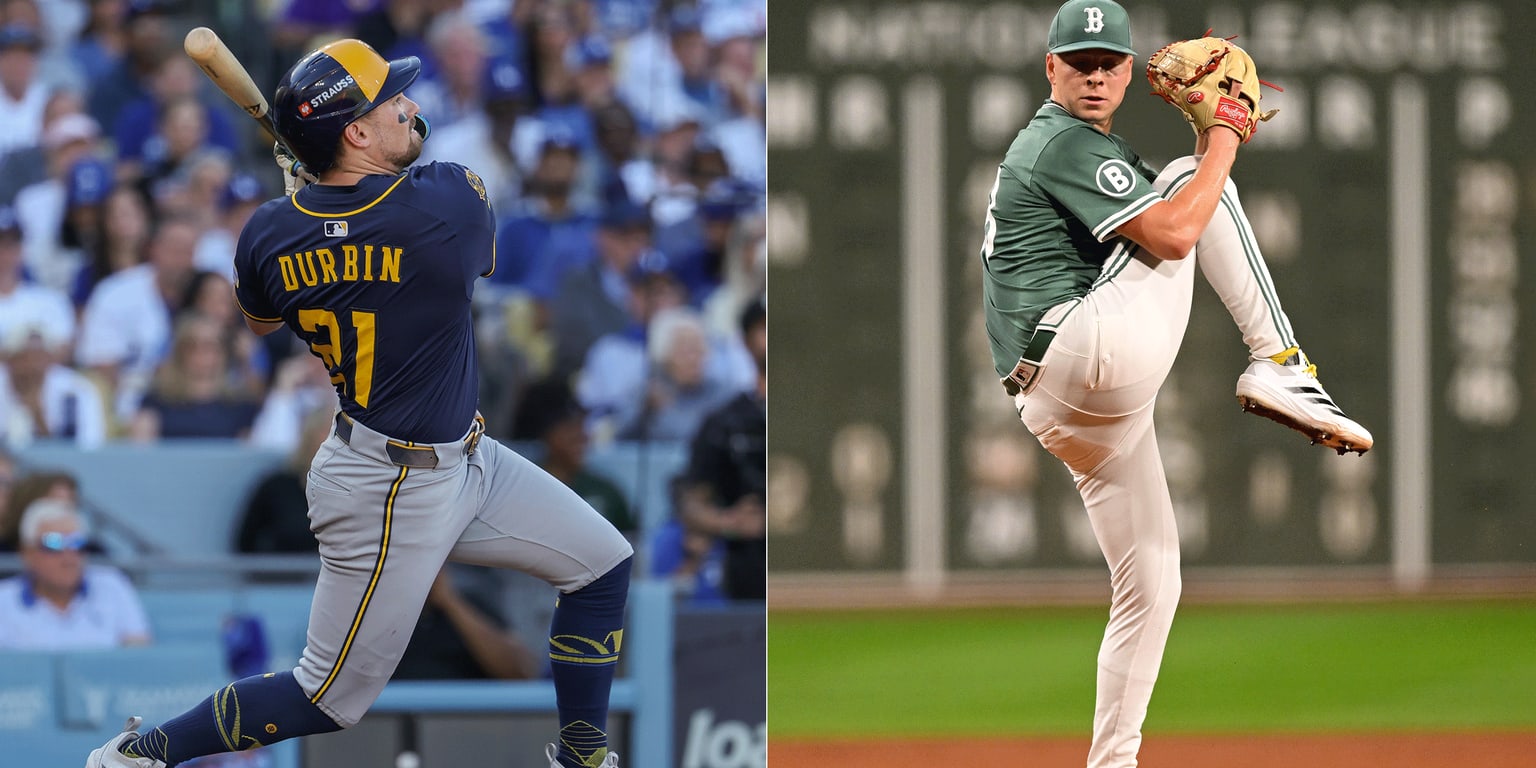
The Boston Red Sox have executed a trade with the Milwaukee Brewers, securing the rights to infielder Caleb Durbin. This transaction, confirmed by sources citing organizational agreements, involved sending left-handed pitcher Kyle Harrison to the Brewers.
Reports from authoritative media outlets, including ESPN and MLB.com, confirmed the exchange, emphasizing the role of unnamed sources in rapidly disseminating information regarding organizational roster moves. This procedural reliance on sources highlights the established mechanism by which major league transactions are reported, often preceding formal announcements from the involved clubs.
The Strategic Context of Positional Exchange
The movement of players between clubs, particularly in the lead-up to organizational reporting deadlines such as Spring Training, is fundamental to roster management in professional baseball. Such transactions are driven by complex needs assessment, often involving a precise exchange of positional depth for pitching assets, or vice versa, based on internal pipeline evaluations and immediate competitive requirements.
Acquiring an infielder like Durbin suggests a targeted effort by the Red Sox to potentially bolster positional versatility or address specific depth requirements across the infield spectrum. Modern baseball organizational strategy heavily emphasizes versatility, ensuring adequate coverage and competition across multiple positions to mitigate injury risks and maximize tactical flexibility throughout the demanding competitive calendar.
Institutional Valuation of Pitching Assets
Conversely, the Brewers’ acquisition of left-handed pitcher Kyle Harrison reflects the high institutional value placed on quality pitching, especially from the left side. Left-handed pitchers are often regarded as a premium asset within the league structure due to their comparative scarcity and the unique tactical advantages they offer against opposing lineups.
For Milwaukee, this exchange reinforces the commitment to maintaining or augmenting their organizational pitching resources. Organizational development and sustained competitiveness often rely on the continuous acquisition and development of pitching talent, making Harrison a strategically important piece in their asset portfolio management.
Roster Cycling and Pre-Spring Training Adjustments
The timing of this trade—as organizational staffs prepare for the rigorous evaluation period of Spring Training—is strategically significant. This phase of the administrative calendar represents a critical deadline for front offices to finalize player pools, assess internal competition, and fill any identified structural gaps before the onset of the regular season’s competitive structure.
Trades executed during this window are typically less about major, franchise-altering acquisitions and more focused on surgical adjustments to the 40-man roster or organizational depth charts. These transactions aim to optimize the competitive environment within the training camp, ensuring that all positions have viable options and that player evaluations are conducted under maximum competitive pressure.
The Mechanism of a “Stunning” Trade
The transaction was described by sources as unexpected or “stunning,” a descriptor that requires contextual explanation within the professional sports media ecosystem. In the period preceding a trade, media discussions and market speculation often coalesce around a few perceived targets or transactional patterns.
When a transaction materializes outside these publicly anticipated parameters, it is labeled as surprising. This often indicates effective operational security and negotiation by the involved front offices, who successfully concluded the deal without the details leaking into the public domain prematurely, thereby deviating from the expected narrative flow.
Organizational Strategy and Depth Management
The decision to exchange a positional player for a pitcher speaks directly to contrasting organizational needs assessment. The Red Sox, in acquiring Durbin, were likely prioritizing organizational depth at a specific non-pitching position, potentially viewing their internal pitching pipeline as sufficient to absorb the loss of Harrison, or assessing Harrison as a movable surplus asset to secure a perceived need.
Conversely, the Brewers’ willingness to utilize an infielder asset to secure a left-handed pitcher underscores the institutional imperative to stack pitching depth. In the modern league, where pitching effectiveness is often the most volatile and injury-prone commodity, acquiring and maintaining specialized arms is a perpetual management priority.
Media Reporting Standards and Factual Limitations
It is crucial, under strict editorial standards, to clarify that the details of this transaction are based entirely on sourced reporting from established industry correspondents. While highly authoritative, these reports reflect agreements finalized between the organizations based on confirmed procedural steps, but they do not detail the specific evaluative metrics, financial terms, or internal strategic dialogues that led to the finalized trade structure.
The institutional significance lies not only in the movement of the specific players but in the continuous demonstration of the professional baseball mechanism functioning: organizations constantly recalibrating their assets to align with competitive philosophies and addressing structural needs through systematic, market-driven exchanges. This ongoing process defines the non-playing competition between franchises throughout the calendar year.
The Structural Implications for Both Organizations
For the Red Sox, the successful execution of this trade signifies a proactive approach to finalizing their roster configuration ahead of the most intense preparatory period. An infielder acquisition, even if not immediately projected for a primary starting role, provides essential functional currency—the ability to maneuver players, manage workload, and create competitive intensity during Spring Training drills and exhibition games.
This operational flexibility is a non-negotiable requirement for managing a large, competitive roster pool. The newly acquired player must integrate quickly into the team’s administrative structure, participating in physical examinations, adapting to organizational coaching methodologies, and competing for a spot in the primary or developmental roster infrastructure.
For the Brewers, the acquisition of a specialized pitching asset strengthens the crucial area of arm talent inventory. Maintaining a rich pipeline of high-utility pitchers is essential for organizational stability, mitigating the risk inherent in player health and performance variability. This transaction underscores the systemic understanding that pitching quality often dictates long-term market competitiveness and resource allocation efficiency.
Ultimately, this transaction serves as a tangible example of the complex, institutional machinery of professional baseball management. It is a calculated move designed to optimize the balance between positional needs and pitching assets, ensuring both clubs are structurally prepared for the competitive pressures of the upcoming season cycle based on the strategic evaluations conducted by their respective front offices.