Jurisdictional Friction Along Harbor Boulevard
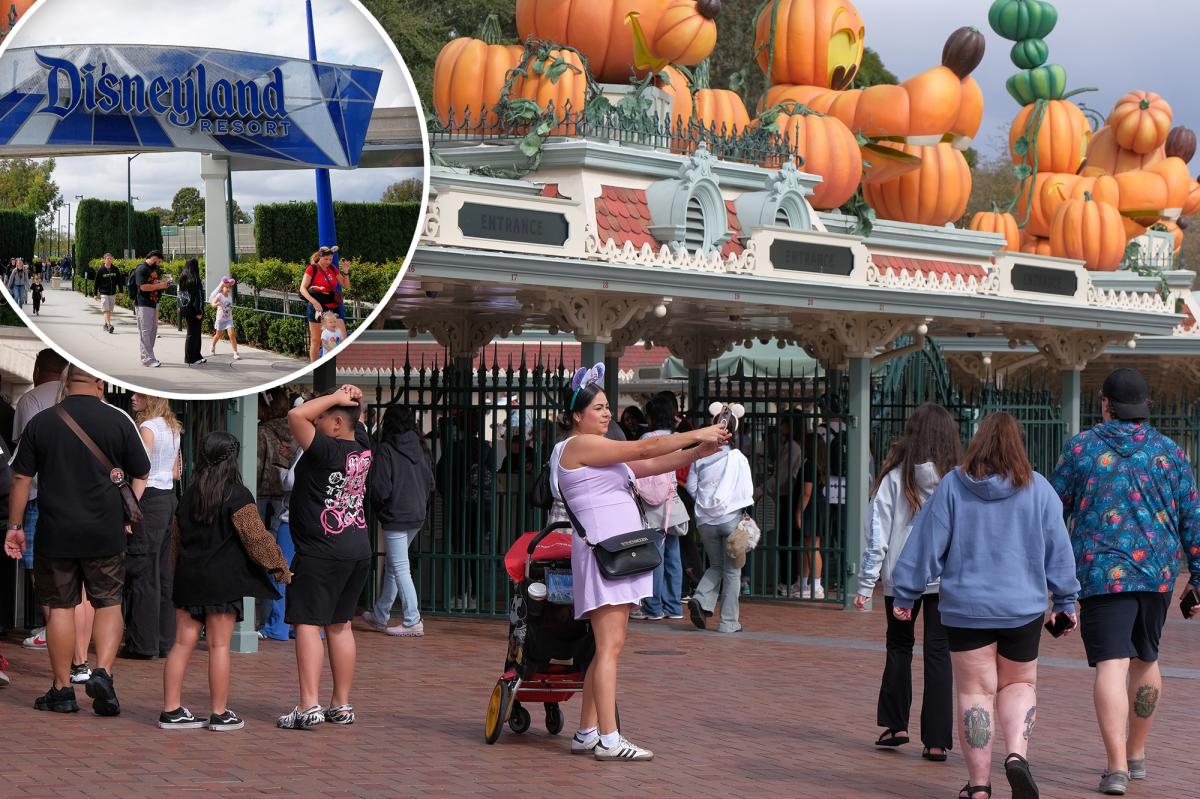
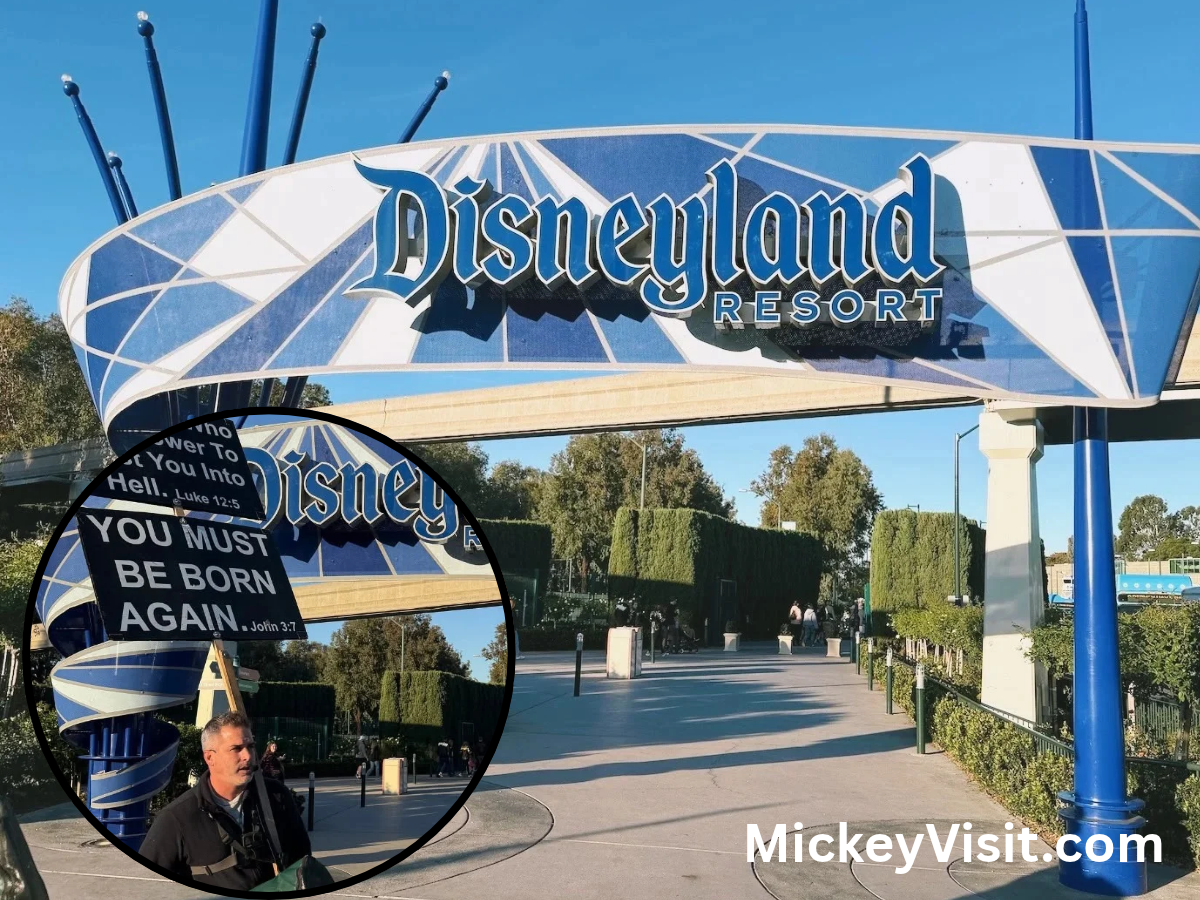
The pedestrian corridor lining Harbor Boulevard in Anaheim, California, represents a critical jurisdictional fault line between private corporate operations and municipal oversight. As foot traffic surges toward Disneyland Resort’s primary pedestrian entry, unpermitted commercial vendors, expressive solicitors, and street performers occupy the public right-of-way. Because these activities occur on municipal walkways rather than within resort turnstiles, Disney’s proprietary security personnel lack legal authority to regulate or remove individuals from the corridor.
This spatial boundary leaves resort management dependent on the City of Anaheim to manage perimeter conditions. For visitors transitioning between off-site lodging, transit stops, and the resort esplanade, the immediate change in environment creates an operational vulnerability. Unlike geographically insular theme parks surrounded by expansive private buffer zones, Disneyland’s integration into Anaheim’s urban grid exposes arriving guests directly to the civic sidewalk environment.
The Operational Limits of Private Resort Security
Within its deeded property line, Disneyland Resort enforces total control over commercial transactions, expressive conduct, and guest circulation. Private security details retain full authority to eject solicitors and enforce code-of-conduct standards. However, that corporate sovereignty terminates abruptly at the public sidewalk boundary along Harbor Boulevard.
Outside the gates, private security personnel are restricted to passive monitoring and reporting. Any physical intervention, administrative citation, or removal requires sworn municipal law enforcement or City of Anaheim Code Enforcement officers. Consequently, resort operations cannot unilaterally clear pedestrian bottlenecks during peak morning arrivals, leaving private brand experience vulnerable to municipal regulatory procedures.
Municipal Code Enforcement and Sidewalk Encounters
Administrative scrutiny along the corridor escalated following visible regulatory interactions between municipal officials and unpermitted street actors. Social media footage documented an Anaheim Code Enforcement officer questioning a handler exhibiting exotic birds near the resort drop-off zone, highlighting targeted municipal sweeps. Concurrently, unverified guest accounts on platforms such as Reddit cited coercive tactics, alleging birds were placed on tourists without consent followed by aggressive demands for gratuities.
While online forums report significant tourist friction, municipal agencies have not issued formal administrative or judicial determinations confirming extortion or coercive solicitation. This distinction dictates enforcement strategy: Anaheim officials must establish objective violations of municipal vending ordinances, licensing statutes, or right-of-way obstruction codes before issuing citations or confiscating property, preventing arbitrary or immediate removals.
Constitutional Constraints on Traditional Public Forums
The regulatory inertia experienced by resort visitors stems from constitutional safeguards governing public rights-of-way. Under established First Amendment jurisprudence, municipal sidewalks function as traditional public forums where non-commercial speech, religious advocacy, and expressive assembly receive rigorous judicial protection.
The City of Anaheim cannot enact blanket prohibitions on street preachers or non-commercial organizers solely to preserve corporate brand aesthetics or tourist comfort. Permissible local ordinances are restricted to content-neutral time, place, and manner frameworks, including objective decibel thresholds and pedestrian clearance minimums. While commercial vending and unlicensed sales face stricter municipal oversight, evidentiary burdens require sustained officer deployment to document unlawful commercial exchange versus protected panhandling.
Stakeholder Divergence and Brand Equity Exposure
The pedestrian corridor exposes diverging economic and operational incentives among key stakeholders:
- The Walt Disney Company: Seeks an aesthetically controlled, frictionless guest ingress to protect brand value following consecutive admission price increases.
- Unlicensed Vendors and Street Performers: Capitalize on captive, high-density foot traffic generated by the resort to maximize informal revenue streams.
- The City of Anaheim: Balances municipal code compliance and tourism tax generation against constitutional liability and municipal resource allocations.
- Area Hospitality Operators: Depend on clean, secure pedestrian thoroughfares to preserve off-site lodging and dining competitiveness.
This dynamic produces an asymmetric distribution of risk. Disney absorbs reputational fallout when visitors associate external street disorder with the resort experience, while Anaheim bears the fiscal and legal burden of proactive sidewalk policing. Meanwhile, informal street actors absorb intermittent municipal citations as an operational cost of accessing an elite consumer base.
Structural Complexities of Integrated Urban Resorts
Harbor Boulevard exemplifies the governance dilemmas facing major entertainment destinations embedded within traditional urban fabrics. As consumer outlays for theme park vacations climb, visitor tolerance for public right-of-way disruptions contracts. Resolving perimeter tensions requires structural coordination between municipal administrative divisions and private resort stakeholders that strictly adheres to statutory boundaries.