Institutional Realignment of Global Maritime Assets
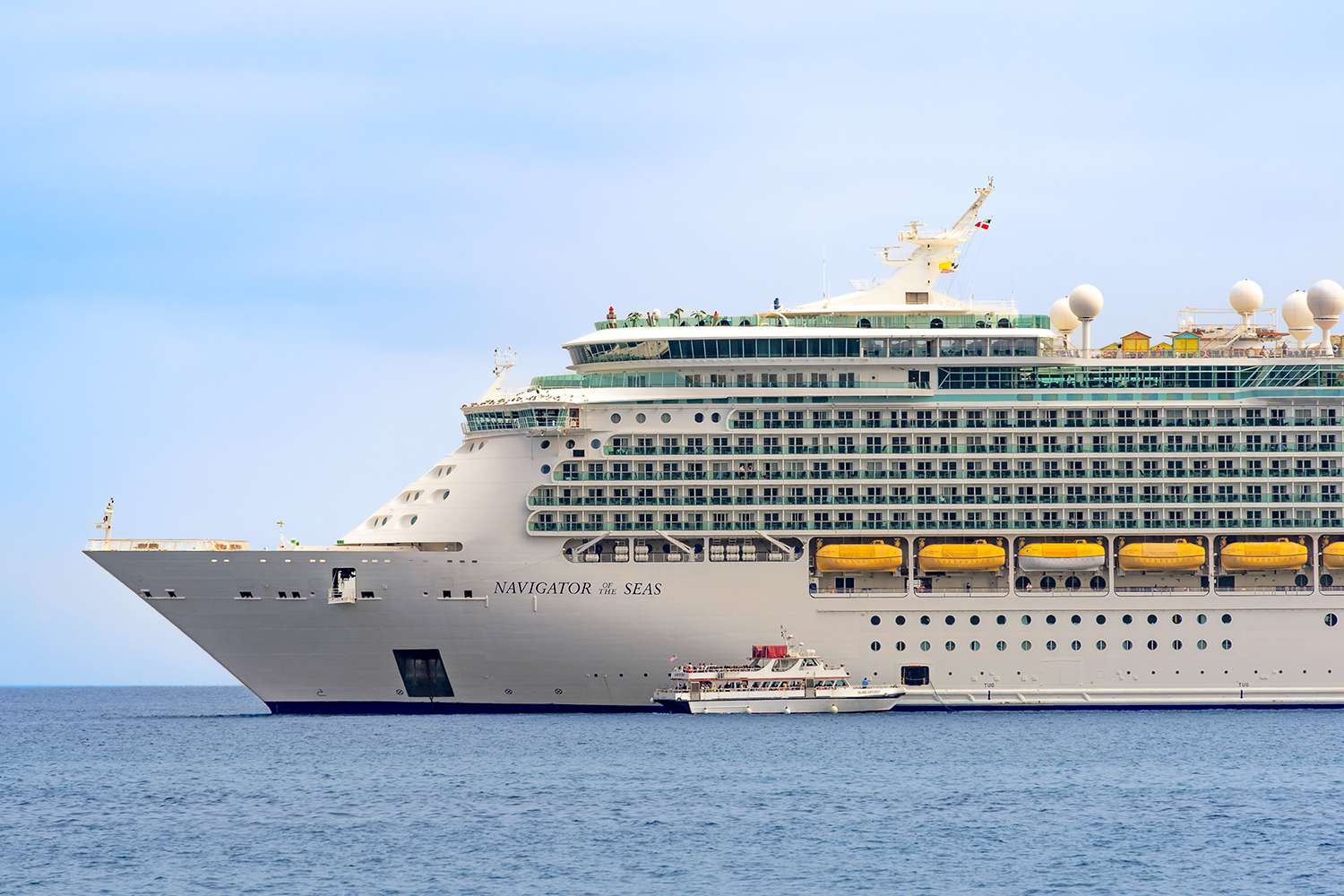
Royal Caribbean has signaled a decisive transition in its long-term operational strategy by restructuring its 2027 deployment schedule. This maneuver prioritizes high-growth Asia-Pacific corridors over established North American routes, resulting in the cancellation of several U.S.-based sailings for the Navigator of the Seas and Ovation of the Seas. This is not merely a scheduling change but a sophisticated capital reallocation designed to optimize fleet yield in emerging Eastern markets.
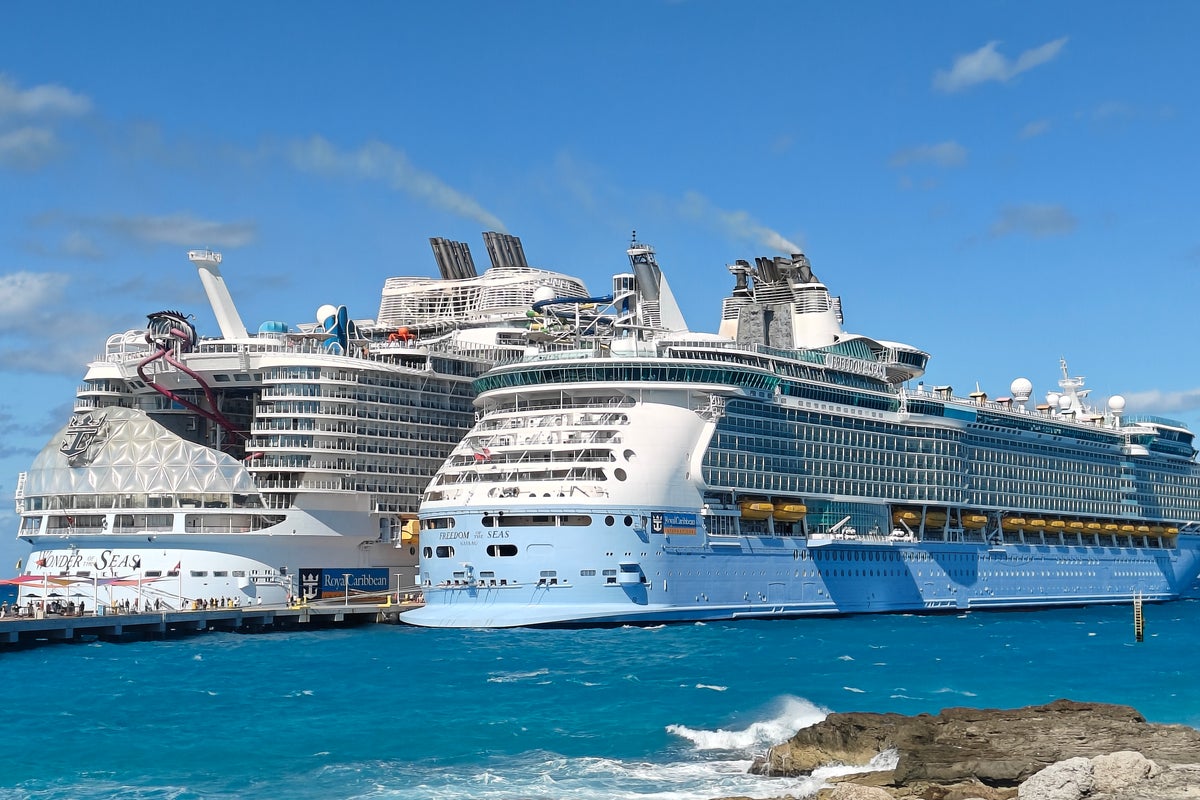
By withdrawing capacity from the U.S. West Coast, the organization indicates that the marginal return in the Pacific Rim currently exceeds the stability of traditional Mexican Riviera itineraries. This follows a precedent set in early 2024 with the redeployment of Freedom of the Seas to Europe, suggesting an institutional trend toward treating maritime vessels as highly mobile capital capable of rapid relocation to meet shifting global demand.
The Singapore Hub: Year-Round Operational Continuity
The Navigator of the Seas will serve as the cornerstone of this expansion, with an extended year-round deployment in Singapore through October 2027. Transitioning from its Los Angeles homeport as early as October 2026, the vessel’s presence in Southeast Asia facilitates a deeper integration into the regional tourism infrastructure. This permanent commitment allows for consistent operational efficiencies and brand solidification in a primary maritime gateway, contrasting with the transient nature of seasonal deployments.
Australian Market Dominance: The Brisbane Expansion
Simultaneously, the Ovation of the Seas will relocate to Brisbane, Australia, in November 2027. This move targets a resilient premium market characterized by high per-passenger spending and robust demand for modern, high-capacity tonnage. By capturing the Southern Hemisphere’s peak travel season, Royal Caribbean forces a competitive recalibration in the South Pacific, leveraging the ship’s advanced amenities to gain market share from incumbent regional operators.
Impact Analysis: U.S. West Coast and Mexican Riviera
The withdrawal of these assets creates a significant supply-side vacuum in the Southern California cruise sector. Historically, these vessels serviced the Mexican Riviera—a staple of the regional travel economy. The resulting reduction in inventory may lead to a temporary tightening of supply, potentially driving up pricing for remaining operators in the Port of Los Angeles while requiring Mexican tourism boards to adjust marketing strategies to account for the demographic shift in visitor volume.
Risk Mitigation and Stakeholder Management
To preserve brand equity during this disruption, Royal Caribbean has launched a comprehensive communication and compensation strategy. While the immediate administrative cost of processing refunds and rebookings represents a short-term liability, the long-term yield projections from the Asia-Pacific basin are expected to significantly offset these expenses. This strategy underscores a data-driven philosophy where historical schedule commitments are secondary to the pursuit of maximum regional profitability.