
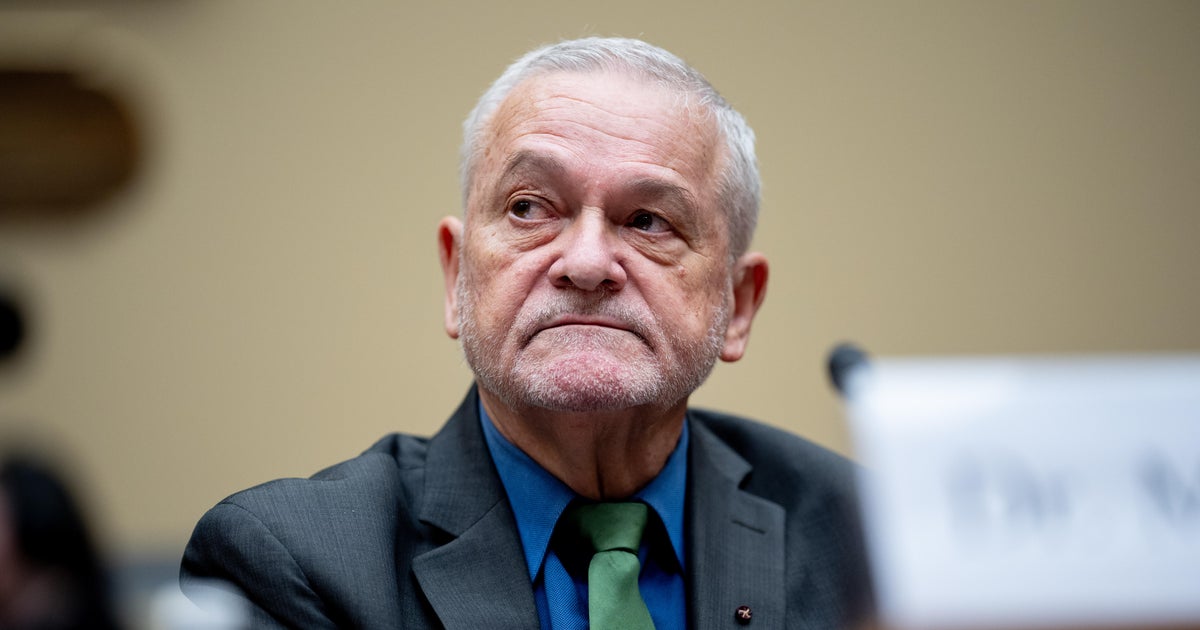
David Morens, a former senior adviser at the National Institute of Allergy and Infectious Diseases (NIAID), entered a guilty plea in federal court to a single count of conspiracy to commit offenses and to defraud the United States. The plea agreement, finalized in the U.S. District Court for the District of Maryland, resolves criminal allegations concerning the deliberate concealment of federal records during the COVID-19 pandemic. Morens, 78, faces a statutory maximum of five years in prison, with sentencing pending before U.S. District Judge Paula Xinis in Greenbelt.
The conviction stems from an April indictment that originally charged Morens with five felony counts related to the obstruction and manipulation of official documentation. Federal prosecutors established that Morens systematically circumvented statutory transparency mandates by conducting agency business through private email accounts. This unauthorized administrative channel was used to discuss sensitive grant oversight, including funding allocations tied to coronavirus emergence research.
Statutory Compliance and Institutional Record Integrity
Federal research governance requires strict adherence to statutory record-retention frameworks, ensuring public transparency under Freedom of Information Act (FOIA) mandates. The covert use of private communication systems by agency officials directly undermines institutional compliance and frustrates administrative oversight. The case illustrates the operational and legal risks when high-ranking scientific personnel bypass archival protocols during critical public health crises.
Defense attorney Tim Belevetz confirmed that Morens entered the plea to accept full legal accountability for his conduct. This formal admission concludes a key phase of legal exposure for the former official, setting a clear precedent regarding the individual enforceability of executive branch record-retention laws.
Congressional Oversight and Research Grant Scrutiny
The criminal proceedings intersect with parallel legislative inquiries initiated by House Republican oversight committees examining the administrative origins of pandemic-era research funding. Congressional investigators specifically probed institutional records regarding external funding conduits, including a 2014 grant titled Understanding the Risk of Bat Coronavirus Emergence awarded to a New York-based research nonprofit.
The intersection of congressional subpoena authority and administrative document retention has heightened scrutiny across federal research programs. By demonstrating the enforceable boundaries of federal record-keeping laws, the conviction reinforces structural accountability for agency personnel managing extramural scientific partnerships.
Systemic Implications for Federal Scientific Agencies
The resolution of this case establishes critical compliance benchmarks for executive branch agencies. Watchdog organizations and regulatory bodies treat the enforcement of anti-concealment statutes as an essential deterrent against bureaucratic opacity. Moving forward, federal public health institutions face increased pressure to implement automated compliance architectures, ensuring complete preservation of internal deliberations and research grant management.

Photo by Couleur on Pixabay.