McDonald’s Elevates Beverage Strategy with High-Margin LTOs and Competitive Positioning
McDonald’s is strategically intensifying its focus on the high-margin beverage category through the introduction of several new limited-time offerings (LTOs). This initiative features a national rollout of the Red Bull Dragonberry Energizer, following successful market testing, alongside a new fall-themed Caramel Apple Pie McCafé lineup. This expansion underscores McDonald’s aggressive pursuit of diversified revenue streams and enhanced market share in a highly competitive foodservice landscape.
Market Agility and Risk Mitigation through Strategic LTO Deployment
Limited-Time Offers serve as a critical instrument for McDonald’s to drive immediate consumer engagement and gauge market viability with mitigated risk. By introducing novel flavors like the Caramel Apple Frappé or seasonal concepts such as the Caramel Apple Pie McCafé range, McDonald’s generates urgency and capitalizes on consumer desire for newness. This dynamic menu strategy prevents stagnation, fostering repeat visits while allowing the company to test product acceptance, operational feasibility, and supply chain readiness without long-term commitment. The phased rollout of the Red Bull Dragonberry Energizer, transitioning from regional trials to a national launch, exemplifies a data-driven approach to product development. This process provides invaluable insights into regional taste preferences and demand patterns, optimizing resource allocation and informing future menu innovation cycles for broader commercial success.
Aggressive Positioning in the Specialty Coffee Market
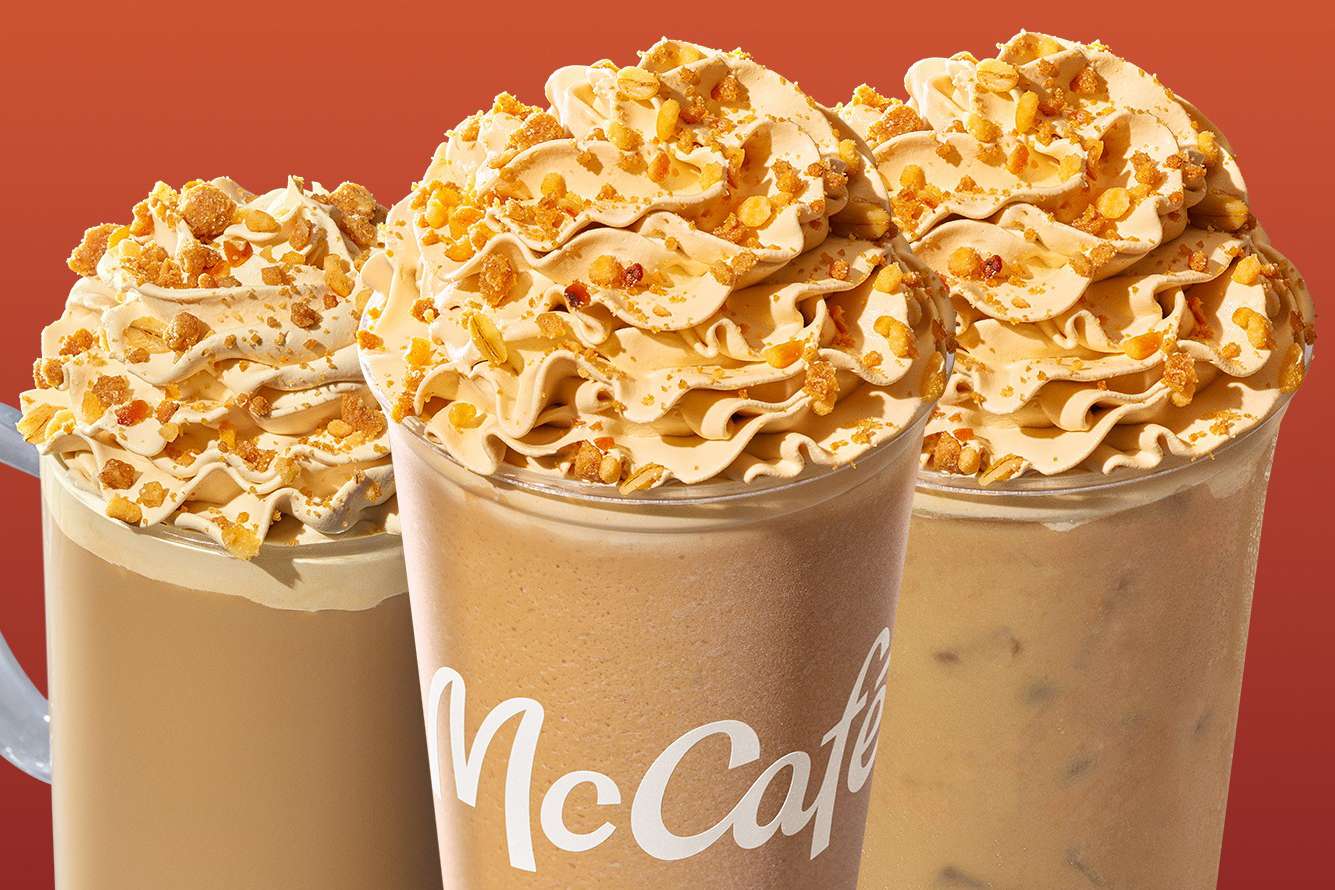
A cornerstone of this beverage strategy is the new Caramel Apple Pie McCafé lineup, available in iced coffee, hot/iced lattes, and a blended frappé. This represents a direct competitive play within the lucrative specialty coffee segment, aiming to differentiate McCafé and capture market share. By explicitly marketing it as a “fall alternative to pumpkin spice,” McDonald’s strategically challenges the dominant seasonal trend, targeting consumers seeking novelty or a distinct flavor profile from rivals. The leveraging of the iconic Caramel Apple Pie dessert’s established brand equity provides instant consumer familiarity and appeal, accelerating trial and adoption. McCafé, a significant long-term investment, continues to be pivotal for growth in morning and afternoon dayparts, reinforcing McDonald’s competitive stance against specialized coffee chains and other QSRs heavily invested in beverage programs.
Operational Excellence and Supply Chain Synergy for National Scale
The successful integration of complex, multi-ingredient beverages like the Caramel Apple Pie McCafé, featuring specialized components such as apple and caramel flavors, whipped cream, salted caramel sauce, and apple pie crumbles, showcases McDonald’s formidable operational and supply chain capabilities. Managing sourcing, inventory, and consistent preparation across thousands of diverse locations demands robust infrastructure and meticulous execution. Ensuring product consistency and quality across its vast franchise system necessitates comprehensive training for crew members, rigorous quality control, and efficient logistics. Furthermore, the partnership with Red Bull introduces additional layers of operational and logistical coordination, requiring seamless supplier relationships and adherence to co-branding guidelines. McDonald’s institutional capacity to manage these complexities during peak operational hours underscores its competitive advantage in large-scale menu innovation.
Driving Profitability and Value-Driven Market Disruption
The strategic expansion into beverages is primarily driven by their significantly higher profit margins compared to many food items, enhancing overall profitability and diversifying revenue streams. Industry commentary highlighting McCafé offerings as “significantly cheaper than Starbucks and Dunkin’” reveals a deliberate value-driven competitive strategy. This approach attracts price-sensitive consumers by offering perceived quality at an accessible price point, directly challenging established coffee market leaders on affordability and potentially converting competitor customers. The “quietly dropped” introduction of some new items may also signify a lean marketing tactic, designed to generate organic buzz and discovery through social media and food media commentary, thereby optimizing marketing ROI and fostering authentic consumer engagement.
Elevated Market Pressure and Stakeholder Engagement
The positive reception from food media, exemplified by accolades like “One of the best drinks they’ve dropped in a looooong time!”, provides invaluable third-party validation that influences consumer perception and drives trial. For franchise owners, these LTOs represent both opportunities for increased sales and demands for effective investment in training, inventory, and equipment, requiring strong corporate support. The Red Bull partnership broadens McDonald’s appeal to younger demographics and those seeking functional beverages, positioning the brand as a comprehensive refreshment destination. Consequently, competitors across coffee and fast-food sectors face heightened pressure to innovate and refine their own menu development, pricing, and marketing strategies to counter McDonald’s aggressive beverage expansion.
Strategic Ecosystem Expansion and Future Market Leadership
McDonald’s sustained investment in its beverage platform, particularly through dynamic LTOs and brand extensions, signals a long-term commitment to revenue diversification and enhanced customer lifetime value. The capacity to integrate external brands like Red Bull demonstrates an ecosystem strategy, leveraging established market leaders for rapid entry into new beverage categories without extensive internal R&D. By consistently introducing novel, competitively priced options, McDonald’s reinforces its position as a major force across the broader food and drink industry, not merely the traditional fast-food segment. This strategic evolution enables more effective competition across multiple consumer spending occasions, from morning routines to afternoon energy boosts. The performance data from these LTOs will be crucial in informing future permanent menu additions and long-term strategic investments, solidifying McDonald’s path to sustained market leadership.