
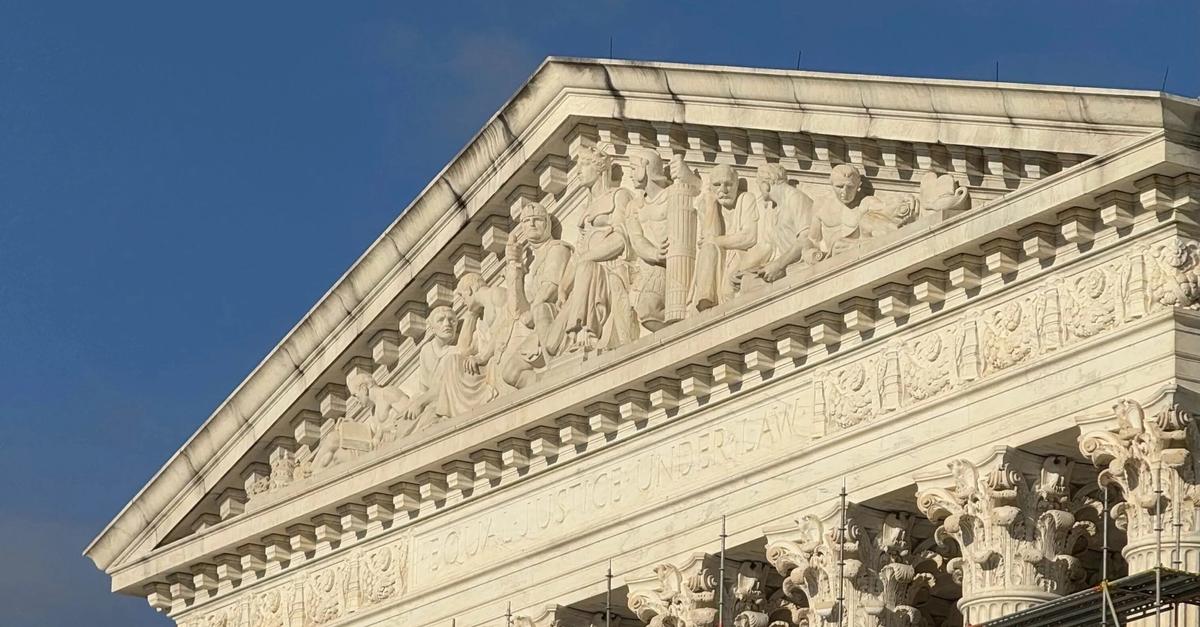
Institutional conflicts involving executive infrastructure initiatives have intensified as the Trump administration presses the Supreme Court to intervene in stalled capital projects. At the center of the dispute is a lower-court ruling halting the physical construction of a new White House ballroom. This judicial intervention has triggered an urgent appeal on the emergency docket, bringing questions of executive authority and property management directly before the highest court.
Simultaneously, broader institutional frictions are evident in parallel petitions concerning federal election procedures. On July 27, the administration asked the Supreme Court on its emergency docket to clear the path for implementing an executive order addressing mail-in voting. This application quickly drew formal alignment from twelve states, demonstrating a coordinated multi-jurisdictional strategy among executive branch allies.
Conversely, the opposition has mobilized a broad coalition comprising twenty-three states and the District of Columbia to contest the administration’s emergency requests. Last Wednesday, the administration countered by urging the justices to issue determinations promptly, highlighting mounting pressure on the judiciary’s emergency calendar during an active summer session.
Historical Context and Judicial Continuity
The current emergency docket activity unfolds against a backdrop of historical precedent regarding judicial appointments. On this day in 1937, the Senate confirmed Hugo Black to the Supreme Court, initiating a tenure spanning over thirty-four years. Justice Black remains one of the longest-serving jurists in the institution’s history, demonstrating the structural influence of lifetime appointments.
Such historical continuity underscores the weight carried by contemporary emergency decisions rendered by the modern court. The high court’s scheduled release of its second summer order list brings further focus to how the justices manage high-stakes executive applications, which frequently determine whether major administrative policies take effect while underlying merits are litigated below.
The structural mechanics of the emergency docket—often referred to as the shadow docket—have increasingly become the primary battleground for sweeping policy execution. When lower courts issue nationwide injunctions blocking executive initiatives, the emergency docket serves as the immediate appellate valve, carrying immense strategic weight for both the executive branch and opposing state coalitions.
Strategic Implications of Executive Infrastructure Disputes
The executive push for specialized architectural additions reflects distinct administrative priorities. Opponents face legal frameworks designed to check unilateral executive property modifications, transforming the confrontation into a substantive test of the separation of powers regarding federal real estate control.
From an administrative standpoint, delays in capital construction expose offices to friction with municipal and federal statutory oversight mechanisms. Courts issuing injunctions rely on established procedures to freeze developments until full compliance with environmental or historical preservation mandates is demonstrated. The administration’s emergency filings argue that such judicial blocks inappropriately infringe upon core executive management prerogatives.
The interplay between infrastructure disputes and concurrent voting rights litigation illustrates the multifaceted nature of the administration’s strategy. Whether dealing with physical construction or electoral administration, the executive branch consistently seeks immediate clearance to bypass protracted lower-court proceedings, setting critical boundaries for executive execution.

Photo by Kamyq on Pixabay.