
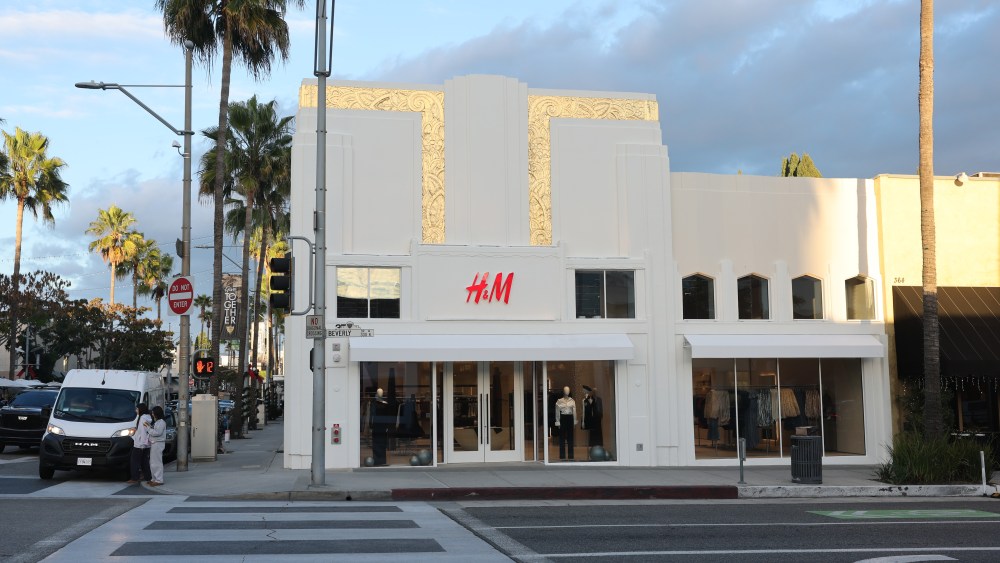
Strategic Realignment: Quality and Margin over Physical Scale
Under the leadership of CEO Daniel Ervér, H&M is executing a fundamental pivot from volume-led expansion to a margin-centric operational model. The second-quarter results indicate a stabilization phase; while local currency sales remained flat, this represents a deliberate cooling of aggressive discounting in favor of brand health. By optimizing the retail footprint—moving away from store count as a primary KPI—H&M is attempting to align its cost structure with the shifting digital-first preferences of global consumers.
The Currency Disconnect: Reported vs. Local Performance
H&M’s financial reporting currently reflects a sharp dichotomy driven by macroeconomic factors. While core demand is holding steady, the strength of the Swedish krona resulted in a 3.3% year-over-year decline in reported sales, totaling 54.82 billion kronor. For institutional investors, this emphasizes the importance of monitoring FX-neutral metrics. The discrepancy underscores how external volatility can mask underlying operational improvements, requiring a more nuanced assessment of the brand’s actual market resonance beyond headline revenue misses.
Operational Levers: Inventory Discipline and Full-Price Sell-Through
The core of the Ervér turnaround lies in tightening the supply chain to drive higher-value transactions. By refining the product assortment and utilizing data analytics for more precise inventory allocation, H&M aims to increase its full-price sell-through rate. This reduction in markdown reliance is critical for protecting gross margins. The strategic closure of underperforming locations further allows for the reallocation of capital toward store modernization and design-led clothing lines, fostering customer loyalty through quality rather than price wars.
Financial Targets: The Path to a 10% Operating Margin
A central pillar of the current strategy is the pursuit of a double-digit operating margin. RBC analysts suggest that reaching this 10% benchmark is contingent upon sustained gross margin gains and strict cost control. By insulating the bottom line from European demand fluctuations through more efficient sourcing and a favorable product mix, H&M is building a more resilient financial profile. This margin expansion is not merely a short-term goal but a requirement for the capital flexibility needed to invest in technology and sustainability—two factors increasingly dictating long-term retail viability.
Market Sentiment and Macroeconomic Headwinds
The market’s 0.3% share price dip following the Q2 announcement suggests a ‘wait-and-see’ posture from investors. While the strategy appears sound on paper, external pressures—specifically soft consumer demand in key European markets—continue to provide friction. Ervér’s candid assessment that the company is “not yet where we want to be” establishes a baseline of transparency. The focus now shifts to whether the company can convert its current operational stability into a sequential growth trajectory as macroeconomic conditions normalize.