
The Nebraska softball program’s return to the Women’s College World Series (WCWS) in 2026 serves as a definitive case study in the optimization of organizational culture to secure elite athletic outcomes. Following a thirteen-year hiatus from the championship stage, the Cornhuskers’ performance in Oklahoma City was defined by a calculated fusion of psychological anchoring and narrative-driven motivation, most notably through a high-profile engagement with country music legend Tanya Tucker.
Psychological Anchoring and Cultural Engineering
The institutionalization of Tanya Tucker’s 1972 hit “Delta Dawn” as the program’s unofficial anthem represents a sophisticated use of neuro-associative triggers. By embedding this shared ritual into the team’s post-victory protocol—specifically following their Super Regional triumph over Oklahoma State—the coaching staff established a consistent emotional baseline. This cultural branding was operationalized during a pre-tournament dinner, where a surprise video engagement from Tucker served to neutralize the cognitive load associated with high-stakes championship play.
Coach Rhonda Revelle’s leadership identifies a shift toward human-centric performance models. The interaction with Tucker provided external validation that reinforced the program’s internal identity. The resulting viral content acted as a strategic marketing asset, positioning Nebraska as a premier destination that balances rigorous performance standards with a high-degree of psychological safety and authentic brand alignment.
Operational Resilience and Tactical Momentum
The efficacy of this cultural alignment was demonstrated during Nebraska’s opening-round fixture against Arkansas. The contest, which culminated in a tenth-inning walk-off victory, required sustained mental endurance and emotional regulation. In the pressure-cooker environment of the WCWS, the capacity to maintain tactical discipline through extra innings is often a direct byproduct of the team cohesion fostered through such non-linear motivational strategies.
Strategically, the victory over Arkansas optimized Nebraska’s position within the double-elimination bracket, preserving the pitching rotation and securing critical rest windows. The synergy between off-field morale and on-field execution created a narrative of inevitability, potentially exerting psychological pressure on subsequent opponents. This approach highlights how modern collegiate programs transition from regional contenders to national title threats by treating culture as a measurable performance metric.
Institutional Impact and Global Branding
Nebraska’s 2026 run carries significant implications for the Big Ten Conference’s efforts to challenge the historical dominance of the SEC and Big 12 in softball. The program’s success validates long-term investments in infrastructure and coaching continuity. Furthermore, the media saturation surrounding the Tucker interaction amplified the program’s visibility, attracting a broader demographic and enhancing Name, Image, and Likeness (NIL) prospects for the roster.
Ultimately, the 2026 WCWS appearance underscores the evolving role of social media and celebrity engagement in building collegiate program equity. By leveraging authentic cultural moments, Nebraska has secured a unique competitive advantage in the recruiting landscape, demonstrating that in elite sports, the integration of emotional intelligence and tactical precision is the primary driver of sustainable success.
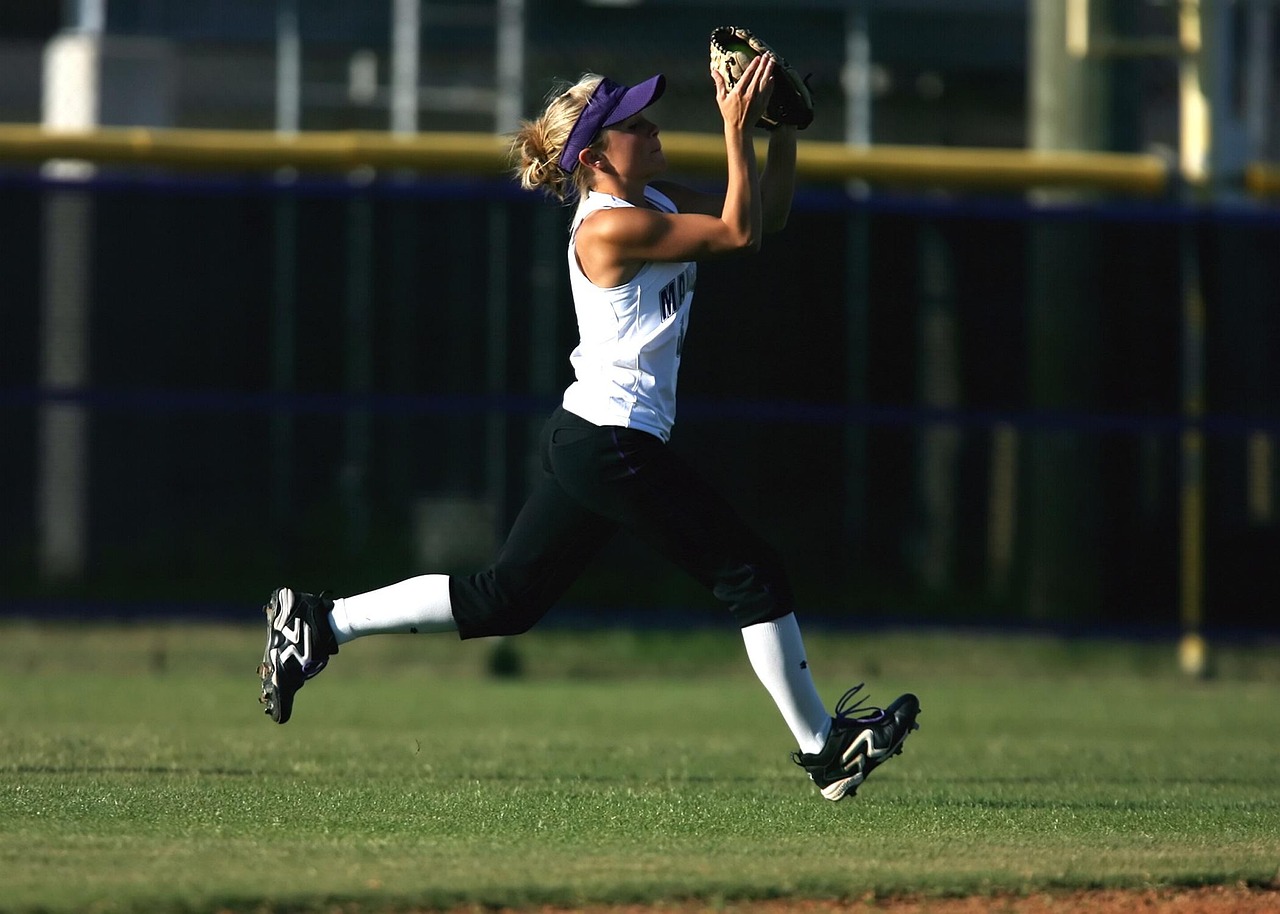
Cover photo by KeithJJ on Pixabay.