NASCAR’s Watkins Glen Race: Strategic Evolution Amidst Shifting Dynamics
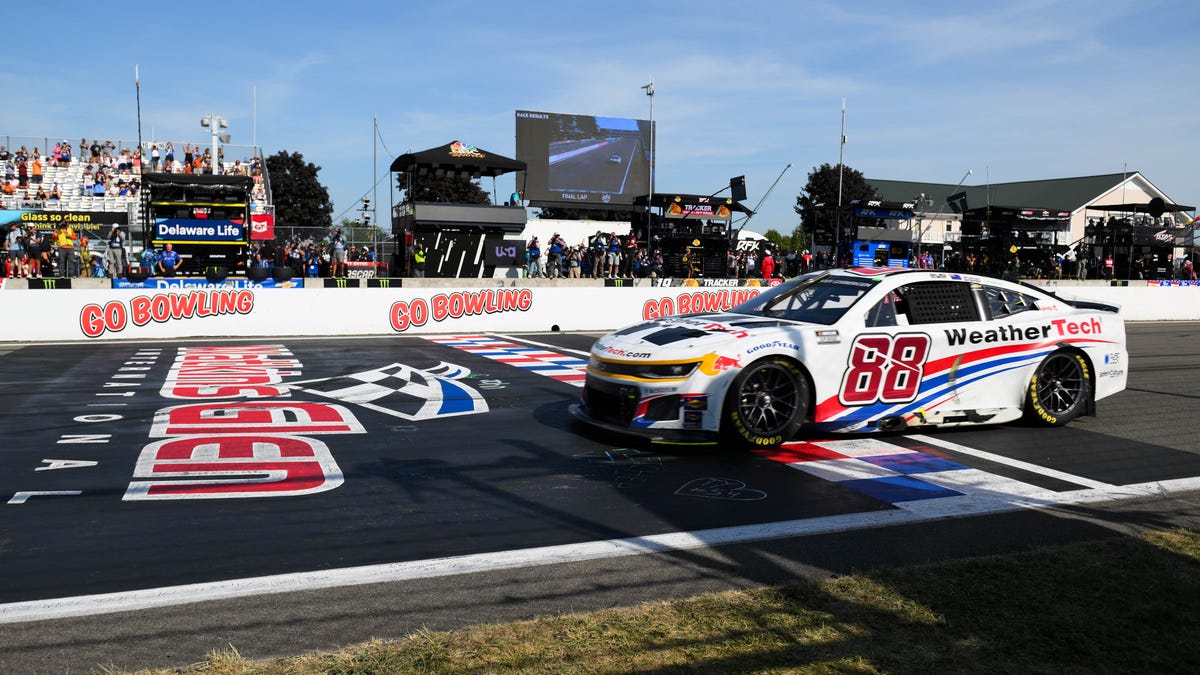
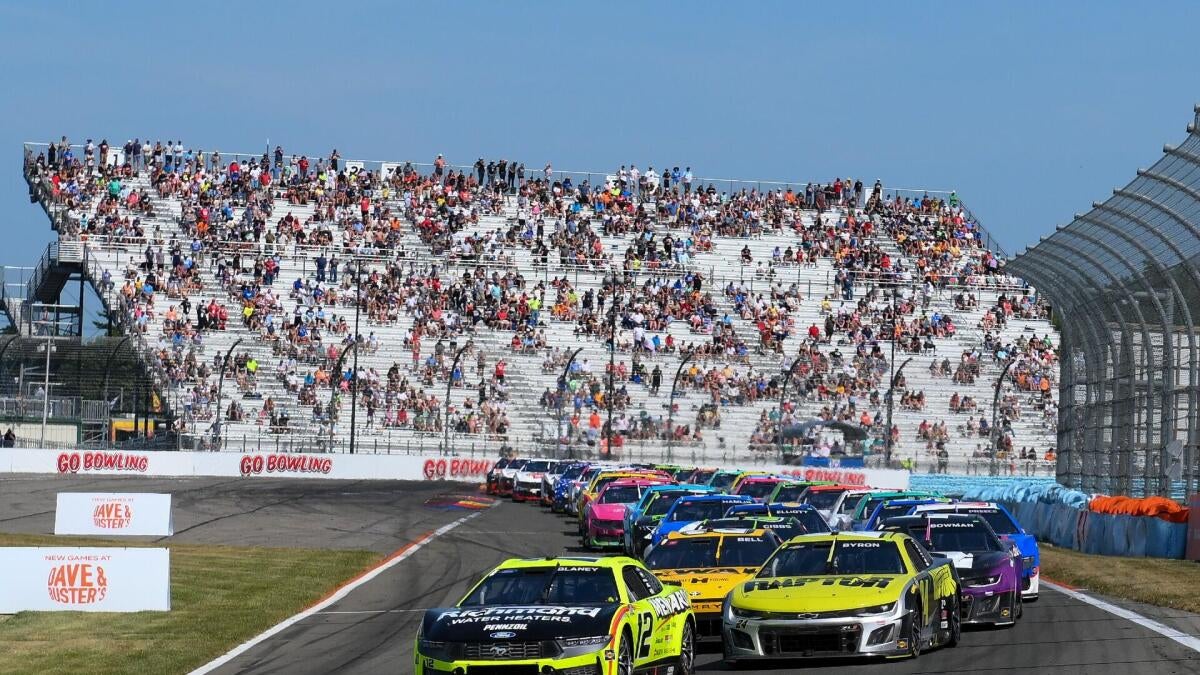
The 2026 NASCAR Cup Series continues its road-course schedule at Watkins Glen International, a circuit with a rich 70-year racing legacy. The Go Bowling at The Glen, set for Sunday, May 10th, will feature significant strategic adaptations: reinforced track limits in crucial sections and an extended 100-lap, 245-mile format, the longest in the track’s Cup Series history. These changes are designed to test driver precision and team strategy, potentially altering race outcomes and championship trajectories.
The enhanced track limit enforcement signals NASCAR’s commitment to penalizing off-track excursions, demanding greater driver discipline and potentially impacting race strategy. This could lead to increased penalties, affecting drivers who push boundaries and requiring teams to refine setups for tighter tolerances. The financial implications may also rise due to potential damage or the need for more durable chassis components.
A notable shift is the race’s placement in a cooler springtime window, departing from its traditional late-summer slot. This environmental factor introduces variable conditions that can significantly affect tire wear, engine performance, and overall car handling. Teams with advanced data analytics and adaptable engineering strategies will be best positioned to capitalize on these nuanced track conditions.
The extended 100-lap race distance amplifies the importance of long-run performance, fuel management, and sustained driver focus. Pit stop efficiency and crew chief strategy become critical, as minor errors will have amplified consequences over the increased duration. Teams excelling in endurance and pit road execution will have a distinct advantage.
Shane van Gisbergen’s Dominance and Market Positioning
Shane van Gisbergen (SVG), the defending champion and a dominant road-course specialist, enters Watkins Glen as the significant favorite (+125). His six Cup Series wins have all come on road or street courses, underscoring a growing trend of specialized talent acquisition in NASCAR. His strong market position reflects this proven capability and the value teams place on drivers with specific skill sets.
SVG’s consistent success highlights a strategic focus within teams to identify and cultivate drivers with road-racing acumen, a skill increasingly vital in the Cup Series. This specialization can create competitive disparities, benefiting teams that invest in such talent.
The betting odds, with rookie Connor Zilisch (+380) and Tyler Reddick (+900) as other notable contenders, illustrate the perceived hierarchy. Reddick’s five wins, despite not being a road-course specialist, demonstrate his championship-level performance, while Zilisch’s odds suggest rapid emergence. This tiered market reflects the blend of proven track record and potential that teams and bettors value.
Hendrick Motorsports’ Enduring Strength and Competitive Landscape
Hendrick Motorsports has a formidable record at Watkins Glen, securing five of the last seven victories. Drivers like William Byron (+1200) and Kyle Larson (+1900) are positioned as key contenders, reflecting the organization’s consistent investment in top talent and engineering. This sustained success indicates a robust operational framework and strategic foresight.
Hendrick’s historical dominance provides a crucial benchmark, suggesting deep institutional knowledge of track-specific setups and strategies that rival organizations find challenging to replicate. This institutional advantage translates into significant performance leverage, particularly with the increasing number of road-course events on the schedule.
The field includes strong competitors like Chase Elliott, a past Watkins Glen winner, and Christopher Bell, alongside championship leader Tyler Reddick. Elliott’s 2018-2019 victories at The Glen, preceding Hendrick’s recent streak, highlight the dynamic nature of performance at this challenging circuit. The competition among established drivers and emerging talents like Zilisch creates a complex strategic environment where driver skill, team strategy, and operational execution converge.
Operational and Strategic Implications for Teams
Watkins Glen’s intricate layout, featuring seven turns and significant elevation changes, inherently promotes unpredictability. This demands high levels of engineering sophistication and driver adaptability, pushing teams to optimize chassis dynamics and aerodynamic packages. Financial commitment to R&D in these areas is a critical differentiator.
The extended lap count necessitates a careful balance between aggressive driving for track position and conservative management of tires and fuel. Strategic calculus is complicated by potential caution periods, requiring rapid adjustments from pit crews and crew chiefs.
The strong performance potential of rookie Connor Zilisch suggests new talent can adapt quickly with adequate support. This dynamic challenges established drivers and teams, forcing continuous innovation. Financial investment in driver development programs and simulator training is crucial for nurturing emerging talent.
The race purse of $11,233,037 underscores the significant economic stakes in NASCAR’s premier series, driving intense competition and investment in performance-enhancing technologies and strategies.
Media, Broadcasting, and Stakeholder Exposure
The Go Bowling at The Glen’s broadcast across FS1, FOX One, and HBO Max, alongside MRN Radio and SiriusXM NASCAR Radio, reflects the evolving media landscape for motorsports. This multi-channel approach aims to maximize audience reach and engagement, catering to diverse preferences and representing significant revenue and promotional opportunities.
The inclusion of HBO Max indicates NASCAR’s adaptation to digital consumption trends, potentially attracting younger demographics and expanding its subscriber base. This strategic distribution can influence sponsorship appeal, aligning brands with platforms offering broad, modern audience access.
The race’s exposure through varied media channels amplifies commercial and reputational stakes. Strong performances yield increased media attention, enhancing sponsorship value. Conversely, underperformance or incidents can lead to negative exposure, impacting market perception.
The starting lineup, determined by qualifying, provides an immediate snapshot of competitive positioning. Shane van Gisbergen’s pole position sets expectations and influences betting markets. Pit stall assignments, though often overlooked, represent a micro-strategic element impacting race flow and pit stop efficiency.
Long-Term Implications and Competitive Trajectories
Strategic decisions at Watkins Glen, especially in response to new rules and the extended format, will offer insights into broader competitive trends. The success of road-course specialists like Shane van Gisbergen may accelerate specialized talent acquisition, potentially reshaping team rosters and scouting strategies.
Hendrick Motorsports’ continued success, or any disruption to their streak, will be closely monitored for its implications on competitive balance. Their ability to consistently perform suggests a robust institutional strategy that other teams will seek to emulate, influencing capital allocation towards R&D and driver development.
The evolving media rights landscape, blending traditional broadcast and streaming, will continue to shape NASCAR’s audience engagement and revenue generation. Financial models and data insights from broadcasters will influence future sponsorship deals and the sport’s economic health.
Ultimately, the 2026 Go Bowling at The Glen is a microcosm of the strategic, operational, and commercial forces shaping modern NASCAR. The interplay of new regulations, dominant drivers, established organizations, and evolving media consumption patterns will provide valuable data points for understanding the sport’s trajectory and its competitive landscape for seasons to come.