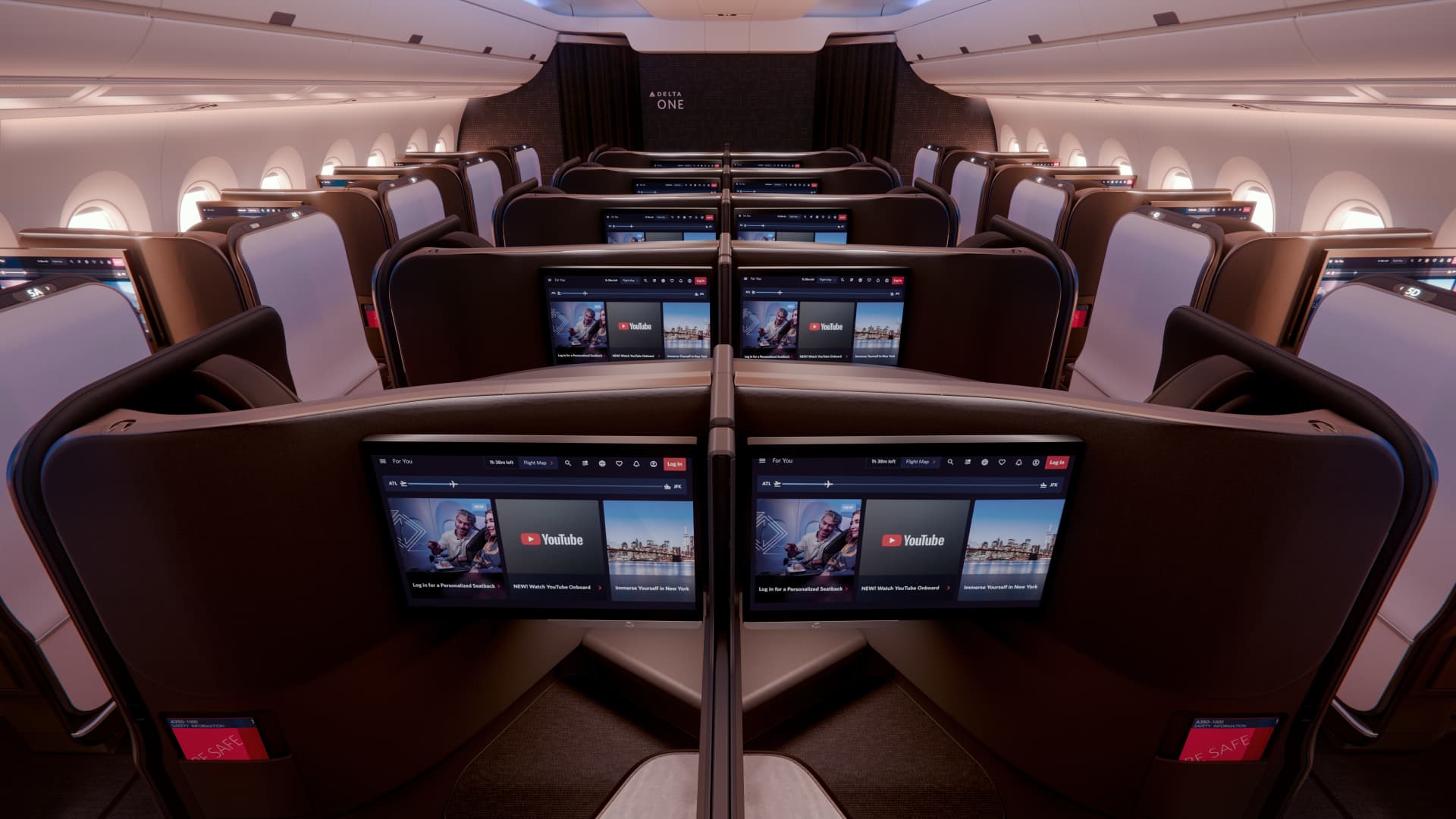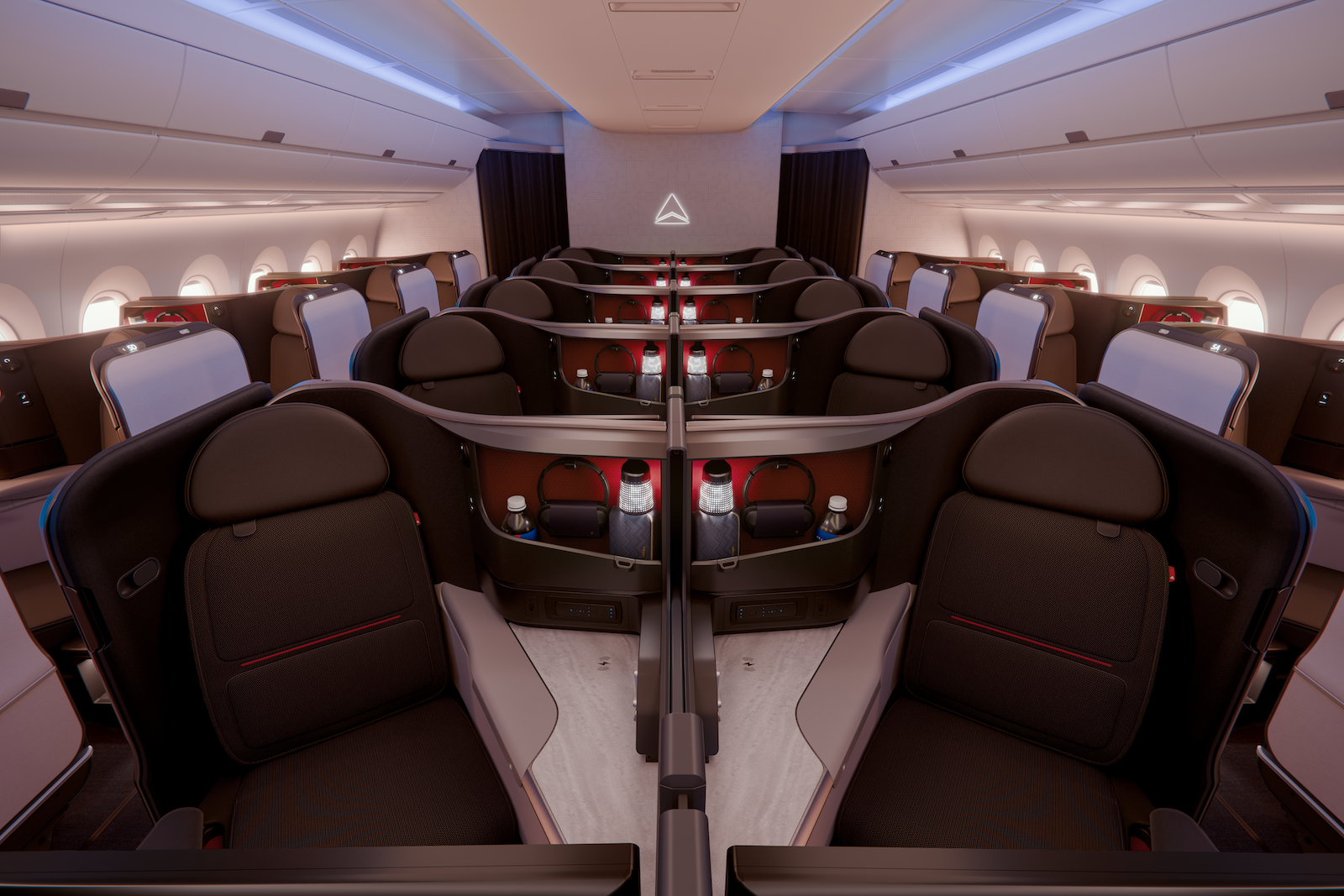
Delta Air Lines has unveiled a sophisticated redesign of its flagship Delta One suite, specifically engineered for the Airbus A350-1000. This overhaul represents more than an aesthetic refresh; it is a calculated effort to maximize high-margin inventory while addressing shifting passenger biometrics. As the carrier prepares for a 2027 deployment, the move signals a pivot toward aggressive premium density in an increasingly competitive long-haul market.
Fleet Architecture and Revenue Management
The A350-1000 will serve as Delta’s most premium-dense platform to date. By configuring the aircraft with 53 suites, the airline is achieving a 33% increase in business-class capacity compared to its existing A350-900 flagship. This expansion suggests a shift in revenue management strategy, prioritizing the capture of high-yield corporate and premium-leisure demand over lower-margin economy seating. The increased density allows Delta to scale its most profitable product without proportionally increasing the cabin’s physical footprint.
Ergonomic Biometrics: The Side-Sleeper Paradigm
Moving beyond the ‘privacy door’ standard established in 2017, the next-generation suite focuses on functional ergonomics. Extensive R&D at Delta’s headquarters identified a significant gap in the market: the side-sleeper. To accommodate this, the new suite features beds three inches longer than current versions and a specialized pillow-top cushion. Mauricio Parise, VP of Brand Experience, noted that the engineering emphasizes increased knee and leg clearance, transforming the lie-flat seat from a static requirement into a dynamic sleep environment.
Historical Evolution and Market Maturation
When Delta introduced the sliding suite door in 2017, it disrupted the industry standard. However, as privacy doors become a baseline expectation across global carriers, Delta is shifting the competitive frontier toward internal volume and surface quality. The 2027 refresh addresses the hardware limitations of first-generation suites, integrating a more durable, refined aesthetic with next-generation seatback technology that has been in development for over a year.
Operational Integration and Brand Consistency
The success of the A350-1000 rollout is contingent upon brand uniformity. Alongside the new fleet, Delta plans to retroactively upgrade legacy cabins to ensure a seamless premium experience across its long-haul network. This consistency is vital for maintaining price integrity in the high-yield segment. Furthermore, the 2027 timeline allows the carrier to synchronize this product launch with broader fleet modernization goals, mitigating the operational risks associated with staggered cabin quality.
Conclusion: Defensive and Offensive Posturing
Delta’s premium push serves as both a defensive measure against international rivals and an offensive play to capture more of the travel industry’s most profitable segment. By optimizing the A350-1000 for maximum suite density and enhanced physical comfort, Delta is securing its institutional identity as a premium-first carrier, ensuring that its flagship product remains a primary engine for unit revenue growth through the next decade.