Systemic Impacts of Energy Market Volatility
The surge in fuel costs in Ireland, exacerbated by global geopolitical tensions in the Middle East, has exposed critical vulnerabilities in the nation’s supply chain. Rising energy costs have transcended consumer financial strain, directly threatening the operational continuity of essential infrastructure.
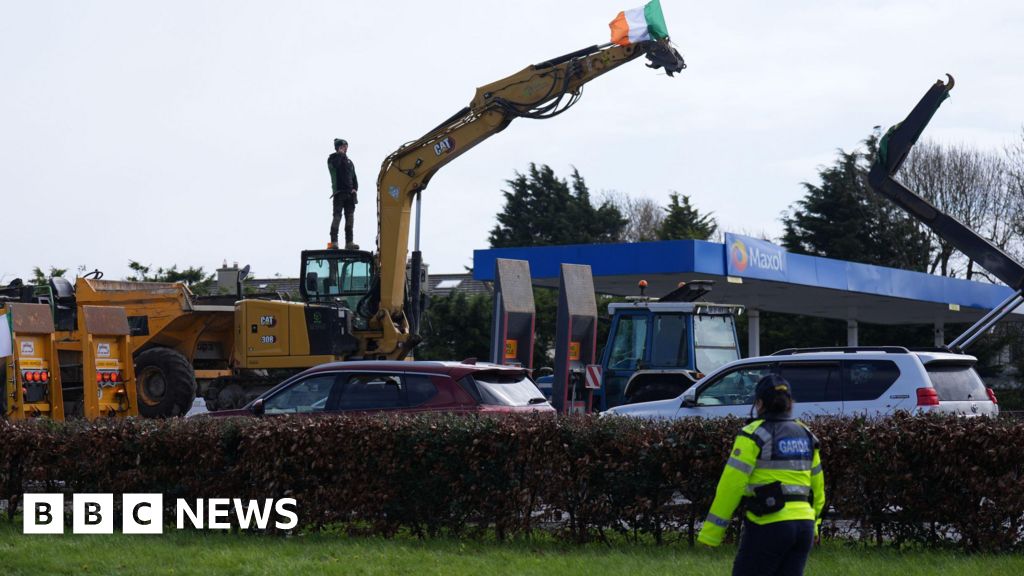
The blockading of key fuel distribution nodes and transport arteries represents a significant escalation in civil unrest. By targeting the logistics network, protesters have challenged the state’s capacity to maintain the flow of essential goods, forcing a confrontation between grassroots economic frustration and the state’s mandate to preserve critical infrastructure.
Fiscal Intervention and Strategic Economic Measures
The government’s €505 million support package is a strategic maneuver designed to decouple immediate cost-of-living pressures from broader systemic instability. By extending the reduction in excise duties on petrol, diesel, and marked gas oil through July, the administration aims to mitigate inflationary pressure on logistics and primary production.
Subsidies directed toward the agricultural and fishing sectors function as a safeguard for essential industries that act as force multipliers. By curbing input cost inflation, the government seeks to prevent a secondary wave of price increases within the national food supply chain.
Civil Disobedience and Security Protocols
The intervention by law enforcement highlights the threshold at which civil disobedience is classified as a threat to national security. By characterizing blockades as attempts to compromise infrastructure, the state has prioritized the functionality of emergency services and public safety. This stance signals reduced tolerance for disruptive protest tactics that bypass democratic channels, asserting the state’s role as the primary guarantor of economic order.
Market Consequences and Supply Chain Fragility
Fuel shortages underscore the inherent risks for an island economy with limited energy redundancy. Distribution bottlenecks trigger a cascading effect; when supply is constrained, logistics costs rise, creating a pass-through inflationary impact for end consumers. The deferral of the carbon tax increase serves as a tactical admission that current economic conditions render aggressive fiscal policy untenable, highlighting the conflict between environmental objectives and immediate socioeconomic stability.
Strategic Outlook for Industry Stakeholders
The Irish Road Haulage Association and similar entities face a period of extreme operational risk. The current reliance on state subsidies reveals a structural dependency on government intervention to weather global market volatility. Future policy will likely shift toward long-term energy diversification and supply chain hardening, as the government moves to transition from reactionary fiscal measures to sustainable energy resilience.