
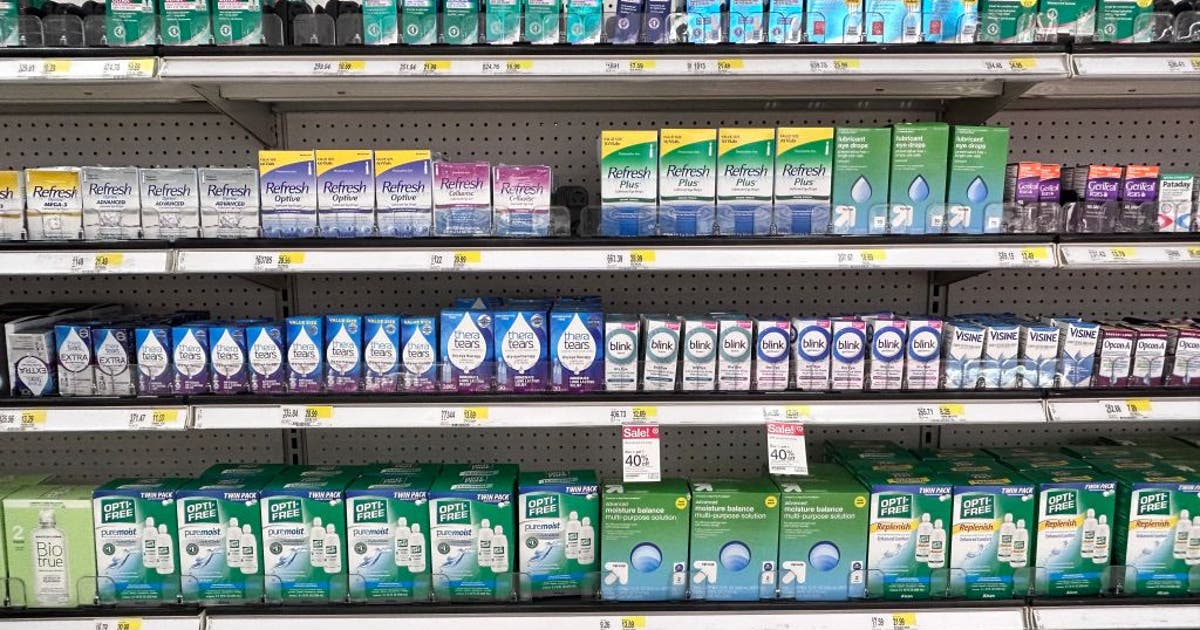
The U.S. Food and Drug Administration (FDA) has classified the voluntary recall of over 3.1 million units of ophthalmic solutions by K.C. Pharmaceuticals as a major market disruption. Centered on a ‘lack of assurance of sterility,’ this action exposes critical operational lapses in the Pomona-based manufacturer’s aseptic processing environment and impacts the private-label portfolios of major national retailers.
Contract Manufacturing Organization (CMO) Risk Exposure
The scale of this recall—totaling 3,111,072 bottles—points to a systemic breakdown in Current Good Manufacturing Practice (CGMP) protocols. In sterile drug production, the inability to guarantee microbial exclusion renders the entire production window a liability. For K.C. Pharmaceuticals, this represents a breach of the technical rigor required of a Contract Manufacturing Organization (CMO), suggesting that the underlying issue may stem from shared environmental controls or persistent equipment failures rather than isolated human error.
The financial fallout for the manufacturer is twofold: the immediate loss of finished goods inventory and the potential for severe contractual penalties from retail partners. Remediation will likely require significant capital expenditure in automated monitoring and filtration systems to satisfy federal inspectors and restore the firm’s standing in the sterile liquid fill market.
Vulnerabilities in Private-Label Retail Strategies
The involvement of CVS, Walgreens, Kroger, and H-E-B underscores the inherent risks of private-label pharmaceutical sourcing. While retailers utilize CMOs to offer high-margin alternatives to national brands, they remain the primary point of accountability for consumers. A recall of this magnitude forces these entities to execute complex reverse logistics operations across thousands of physical locations simultaneously.
The sudden removal of store-brand eye drops creates a temporary market vacuum, potentially triggering a ‘flight to quality’ where consumers pivot to higher-priced, established national brands. This shift can erode long-term private-label penetration in the ophthalmic category, as consumer confidence in generic sterile products is notoriously difficult to rebuild once compromised.
Logistics and Distribution Challenges
Cardinal Health and McKesson, the primary distributors cited, face the logistical hurdle of intercepting affected lots within a vast national network. Managing a recall with expiration dates extending to October 2026 requires sophisticated track-and-trace data integrity. This process tests the robustness of the pharmaceutical supply chain’s recovery speed—pivoting from optimized delivery to mass sequestration and destruction.
Regulatory Posture and Ophthalmic Safety
The FDA’s focus on ‘assurance of sterility’ rather than confirmed contamination reflects a preventative regulatory stance. Because the eye lacks the robust natural defenses of other organs, any failure in aseptic processing is categorized as a high-risk event. This enforcement action signals to the industry that procedural lapses will trigger massive market withdrawals regardless of whether adverse events have been reported, prioritizing preventative public health over commercial continuity.
Moving forward, the industry can expect heightened scrutiny of CMOs specializing in sterile liquids. Retailers may respond by diversifying their supply sources and implementing more stringent third-party audits that move beyond a baseline reliance on FDA certification alone.

Photo by philippedupuis0 on Pixabay.