
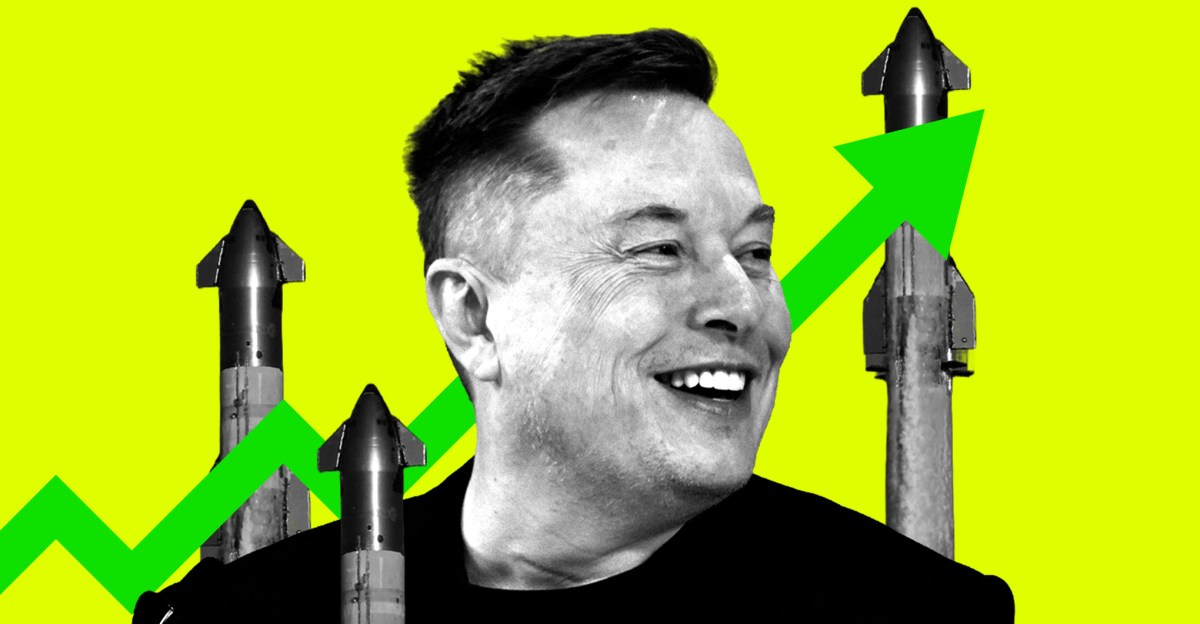
The $2 Trillion Benchmark: A New Frontier in Market Valuation
The aerospace industry is facing a structural recalibration as SpaceX reportedly targets an unprecedented valuation exceeding $2 trillion for its anticipated initial public offering (IPO). This figure does not merely represent corporate growth; it signals a fundamental shift in how frontier technologies are capitalized. By moving from a private venture to a public entity at this scale, SpaceX is poised to enter the top tier of global industrial assets, potentially altering the cost of capital for the entire orbital economy.
Sovereign Wealth Integration and Geopolitical Liquidity
Central to this capitalization strategy is a reported $5 billion investment from a Saudi Arabian sovereign wealth fund. This influx of capital highlights a growing trend: the pivot of national wealth funds toward strategically vital aerospace infrastructure. For the Saudi fund, the move represents a diversification into high-growth orbital assets; for SpaceX, it provides the liquidity necessary to sustain capital-intensive development without traditional venture constraints. This participation introduces a layer of geopolitical complexity, as stakeholders evaluate how international sovereign interests might intersect with SpaceX’s critical role in domestic satellite infrastructure and national security.
Regulatory Trajectory: The SEC Review Cycle
The procedural mechanism for this transition began with a confidential filing on April 1. This tactical approach allowed SpaceX to undergo initial Securities and Exchange Commission (SEC) scrutiny away from market volatility. Industry analysts expect the public release of the S-1 document by June, adhering to the standard duration of an SEC review. Should the filing proceed without administrative delays, a market debut could materialize as early as June 7. This timeline places intense pressure on SpaceX’s internal financial units to ensure that disclosures meet the transparency requirements necessary to sustain a multi-trillion-dollar valuation.
Operational Bandwidth and Executive Concentration Risk
The timing of the SpaceX IPO presents unique leadership challenges, coinciding with major strategic milestones at Tesla and other Musk-led ventures. In financial circles, this concentration of responsibility is often categorized as ‘key man risk.’ Investors are closely monitoring Elon Musk’s bandwidth, as the IPO process demands rigorous focus on roadshows, investor relations, and regulatory compliance—tasks that must be balanced against the technical requirements of deep-space exploration. The success of this public transition will depend heavily on the perceived stability of the broader leadership team and their ability to mitigate operational bottlenecks during this high-stakes period.
Macroeconomic Impact: Redefining the Orbital Sector
A $2 trillion IPO would establish a definitive benchmark, likely forcing a revaluation of all private and public competitors in the aerospace sector. The S-1 document is expected to provide the first transparent look at the company’s revenue streams, margins, and capital expenditure models. This data will serve as a blueprint for institutional investors seeking to quantify the viability of space-based telecommunications and transport. Beyond a mere liquidity event, the SpaceX IPO represents the maturation of the space economy into a legitimate, institutional-grade asset class.
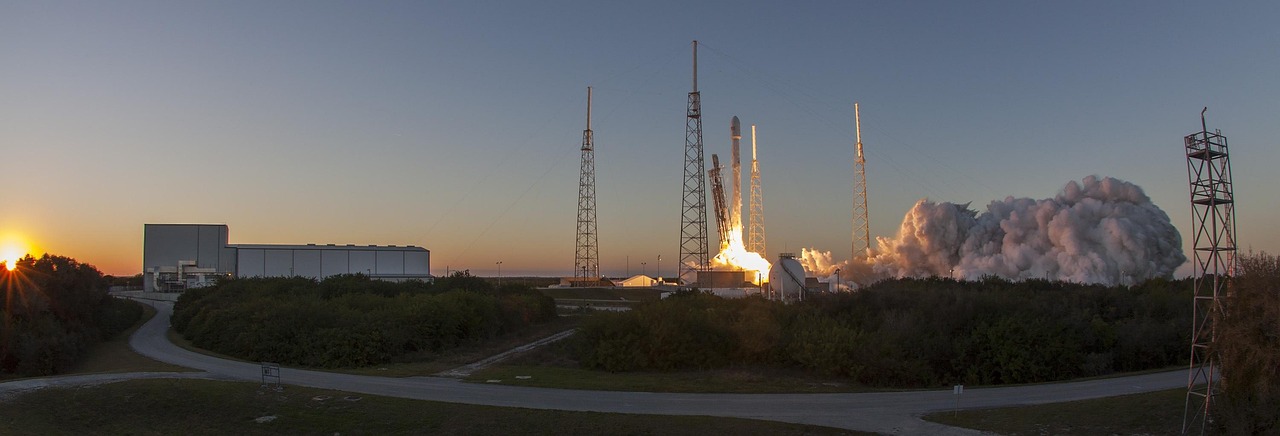
Photo by viktorleon960 on Pixabay.