The Paradigm Shift: From Discounting to Gamified Loyalty
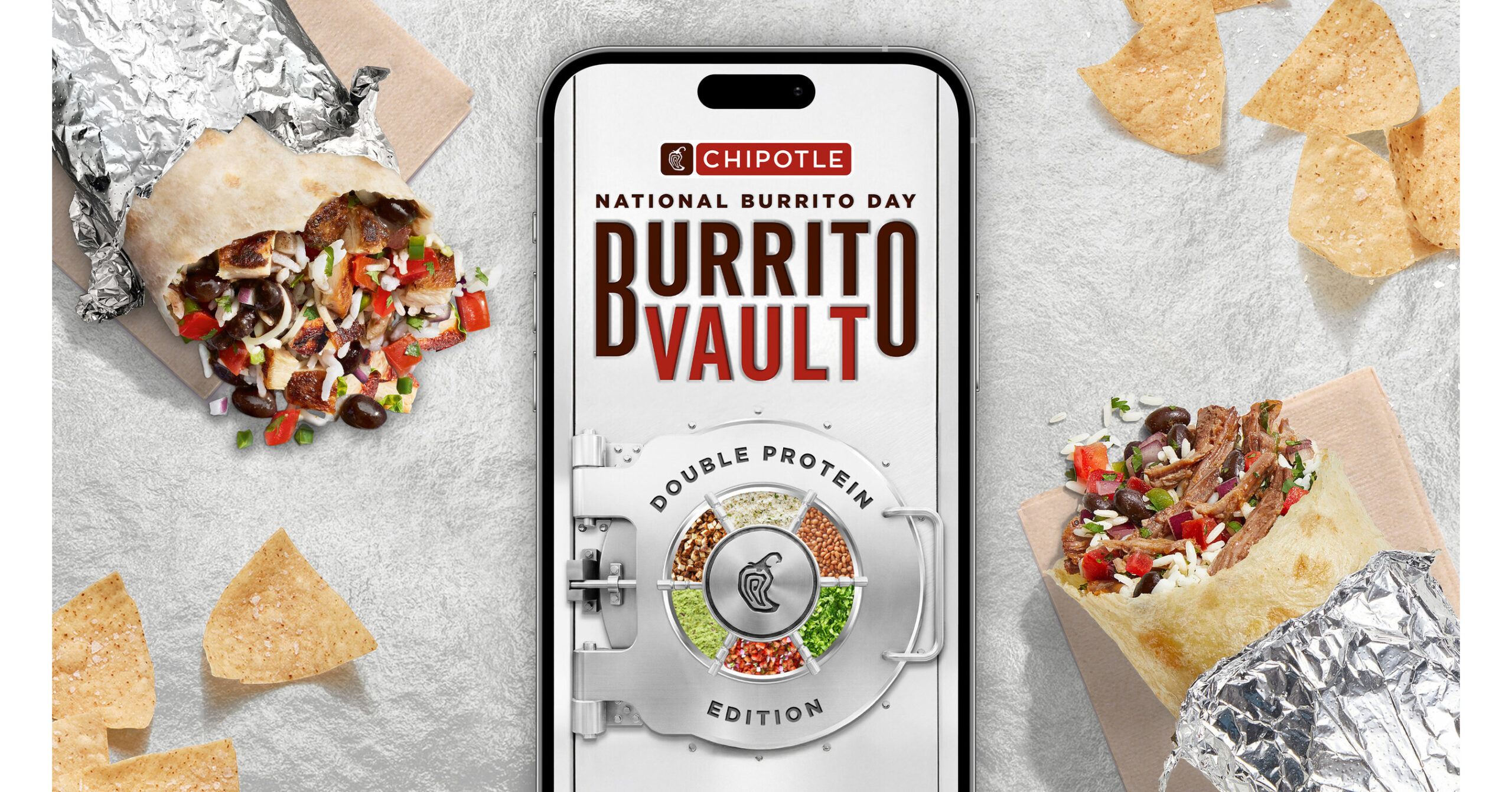
National Burrito Day 2026 represents a pivotal inflection point for the Quick Service Restaurant (QSR) sector. Chipotle Mexican Grill’s $2 million ‘Burrito Vault’ relaunch signifies a strategic departure from traditional volume-based discounting toward high-density digital gamification. By leveraging the ‘Double Protein Edition,’ the brand aligns itself with the functional nutrition movement, transforming a standard promotional event into a premiumized, data-rich engagement vehicle.
This initiative prioritizes the expansion of a proprietary data ecosystem. By mandating Rewards membership for participation, Chipotle facilitates granular consumer behavior tracking. This shift toward ‘logged-in commerce’ allows for predictive modeling of purchase cycles, effectively reducing long-term customer acquisition costs (CAC) while increasing the precision of subsequent lifecycle marketing efforts.
Operational Load-Balancing and Digital Stress Testing
The ‘Double Protein Power Hour’ serves as more than a marketing gimmick; it is a calculated operational stress test. By concentrating digital traffic into specific hourly windows, the brand tests the elasticity of its cloud-based infrastructure and mobile application stability. Furthermore, guessing order combinations increases ‘dwell time’ within the app, a critical KPI for brand resonance and platform stickiness.
From a back-of-house perspective, these structured windows act as a load-balancing mechanism. By incentivizing specific ordering patterns through doubled prize volume, Chipotle can manage kitchen throughput more effectively than through decentralized, sporadic traffic surges. The reactivation of dormant users via high-value incentives like ‘Free Burritos for a Year’ is a tactical move to stabilize Lifetime Value (LTV) in an increasingly fragmented market.
Competitive Benchmarking: Premiumization vs. Value Tactics
A clear divergence has emerged in the 2026 QSR landscape. While Chipotle invests in complex, gamified digital experiences to drive premiumization, competitors like Del Taco and Moe’s Southwest Grill continue to rely on defensive, low-barrier promotional strategies. Del Taco’s $3-spend threshold and Moe’s BOGO offers prioritize immediate transaction volume but offer less in terms of long-term digital engagement or proprietary data depth.
Chipotle’s $2 million capital allocation creates a significant competitive moat. Smaller entities lack the liquidity to fund such extensive prize pools, forcing them to compete on price—a strategy that often leads to margin erosion. By dominating the cultural narrative of the holiday, Chipotle effectively captures the ‘share of voice,’ relegating rivals to reactive discount-oriented roles.
Supply Chain Resilience and Product Architecture
The emphasis on high-protein configurations necessitates a resilient supply network capable of absorbing sudden demand spikes for specific macronutrients. This evolution reflects a shift in product architecture: the burrito is no longer merely a meal but a customizable delivery system for functional health goals. This contrasts sharply with the dish’s 1895 utilitarian origins, as noted by Chef Noe Alcala, where portability was the primary design driver.
The $0 delivery fee incentive on April 2, 2026, further optimizes the brand’s owned-channel strategy. By subsidizing logistics, Chipotle minimizes the friction and margin loss associated with third-party delivery aggregators. This ensures the brand retains direct control over the end-to-end customer experience, which is vital for maintaining brand equity during high-volume events.
Conclusion: The Future of Logged-In Commerce
The success of the 2026 campaign—modeled on the 3.5 million plays of the previous year—confirms that gamified commerce is now a core strategic pillar. For shareholders (NYSE: CMG), these initiatives serve as a barometer for digital health. The future of the fast-casual market will be defined by the intersection of food science, algorithmic marketing, and operational excellence, where the primary competitive advantage is the ability to turn anonymous diners into loyal, data-identifiable users.