The Luthier’s Legacy and Market Revaluation
The passing of luthier Doug Irwin at 76 marks a critical inflection point for the niche market of high-value musical instruments, specifically those associated with iconic rock figures. While the immediate reaction from fans and industry peers, as documented on the Irwin Guitars Facebook page, focuses on the emotional and artistic loss, the event simultaneously triggers a revaluation process within the alternative asset class where such instruments reside. The source highlights the community’s immediate recognition of his impact, describing him as a “master craftsman” and “visionary” whose work possessed “intention, precision, and soul.”
Scarcity Premium and Provenance as Asset Drivers
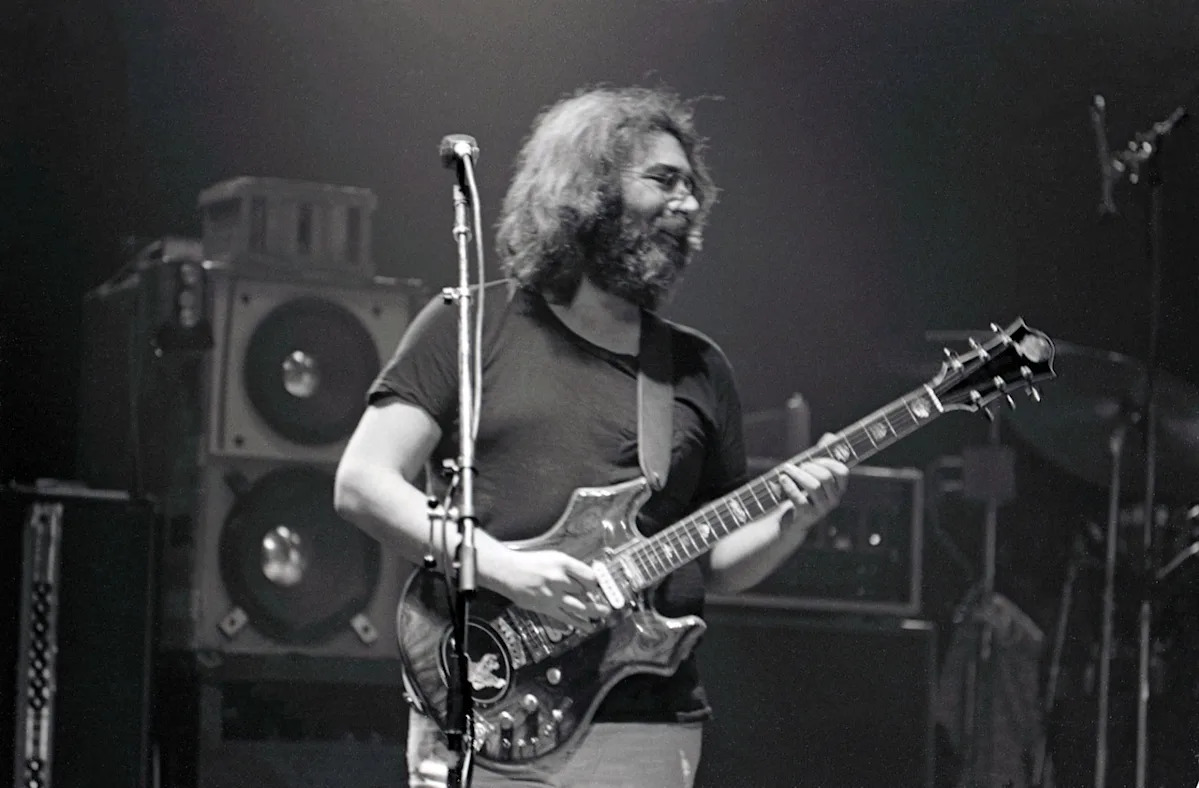
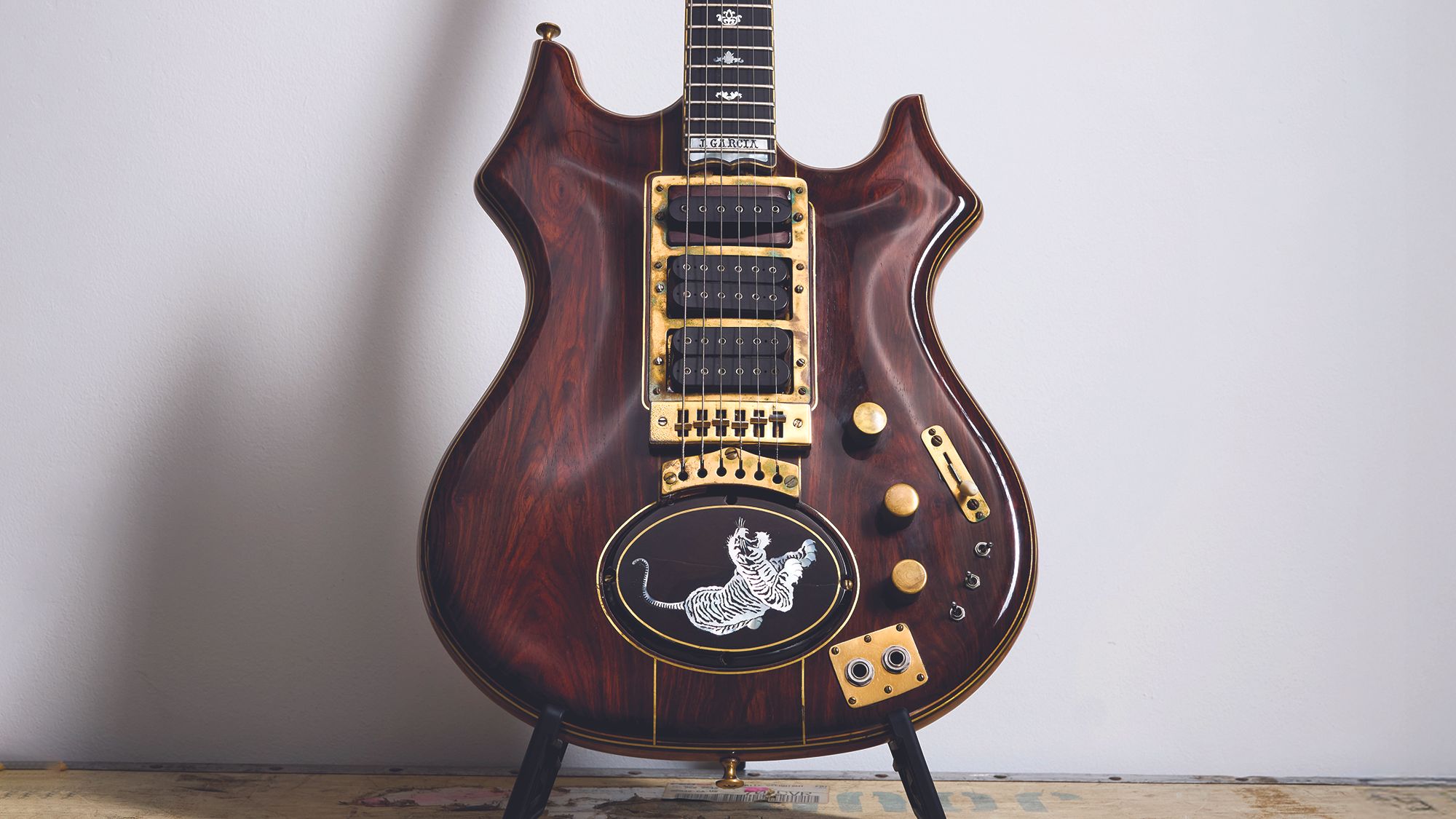
Irwin’s work for Jerry Garcia, particularly the guitars “Tiger” and “Wolf,” exemplifies a unique intersection of artistic collaboration and technical innovation. The significance of these instruments extends beyond mere craftsmanship; they represent a unique provenance where the luthier’s technical skill merged with the performer’s style to create a specific cultural and sonic identity. This co-creation process establishes a historical narrative that significantly enhances market value.
The value proposition for instruments like the Tiger and Wolf is driven by a combination of factors: the intrinsic quality of the craftsmanship, the historical significance of the artist who played them, and the finite supply of pieces created by the luthier during their lifetime. The source’s description of Irwin’s instruments as “record-shattering” provides critical insight into their economic standing. This terminology, typically reserved for auction results, positions these guitars not merely as musical artifacts but as high-value investment assets. The death of the creator removes the possibility of future supply, immediately intensifying the scarcity premium on existing works.
The Stradivarius Analogy: Cultural Capital as Financial Asset
A fan’s comment comparing Irwin to “the Stradivarius of our time” provides a crucial analytical framework for understanding the market implications of his death. The analogy draws a direct parallel between the high-value guitar market and the established market for rare classical instruments. Stradivarius violins are not just historical artifacts; they are a recognized alternative asset class, valued for their unique acoustic properties, historical significance, and extreme scarcity.
This comparison highlights the transition of high-end musical instruments from functional tools to investment-grade assets. The factors driving the value of a Stradivarius—the master craftsman’s unique techniques, the finite number of existing pieces, and the historical association with virtuoso performers—are mirrored in the market for Irwin’s guitars. The death of the luthier reinforces the finality of the supply, solidifying the instruments’ status as non-replicable assets. This re-contextualization from a functional object to a cultural artifact with investment potential is a key consequence of the creator’s passing.
Legacy Management Challenges and Future Market Dynamics
The source mentions the announcement on the “Irwin Guitars Facebook page,” indicating the existence of a brand entity or legacy management structure. The death of the founder presents significant challenges and opportunities for this entity. The primary challenge is maintaining brand integrity and market value without the direct involvement of the master craftsman. The value proposition of “Irwin Guitars” now shifts from a living, active workshop creating new pieces to a historical brand managing a finite legacy.
For stakeholders, including existing owners of his instruments, the strategic implications are substantial. The value of existing instruments is likely to appreciate, creating a windfall for current owners. For the brand itself, decisions must be made regarding future production. Will the brand continue through apprentices or authorized reproductions? The source’s emphasis on “intention, precision, and soul” suggests that replicating the original craftsmanship will be difficult, potentially creating a significant value gap between pre- and post-death instruments. The strategic use of digital platforms to control the narrative surrounding the legacy, as demonstrated by the Facebook announcement, becomes critical for protecting and enhancing the value proposition of these existing assets.
Conclusion: The Enduring Impact of Bespoke Craftsmanship
The passing of Doug Irwin underscores the enduring value of bespoke craftsmanship in an era dominated by mass production. The market for bespoke instruments is driven by a desire for unique sonic characteristics and personalized aesthetics, which cannot be replicated by automated processes. The death of a master craftsman like Irwin highlights the fragility of this specialized knowledge base. The market revaluation triggered by his death reflects the broader trend of cultural capital transforming into financial assets. This dynamic ensures that Irwin’s legacy will continue to influence market trends for high-value guitars for decades to come, reinforcing the importance of bespoke craftsmanship in a globalized economy.