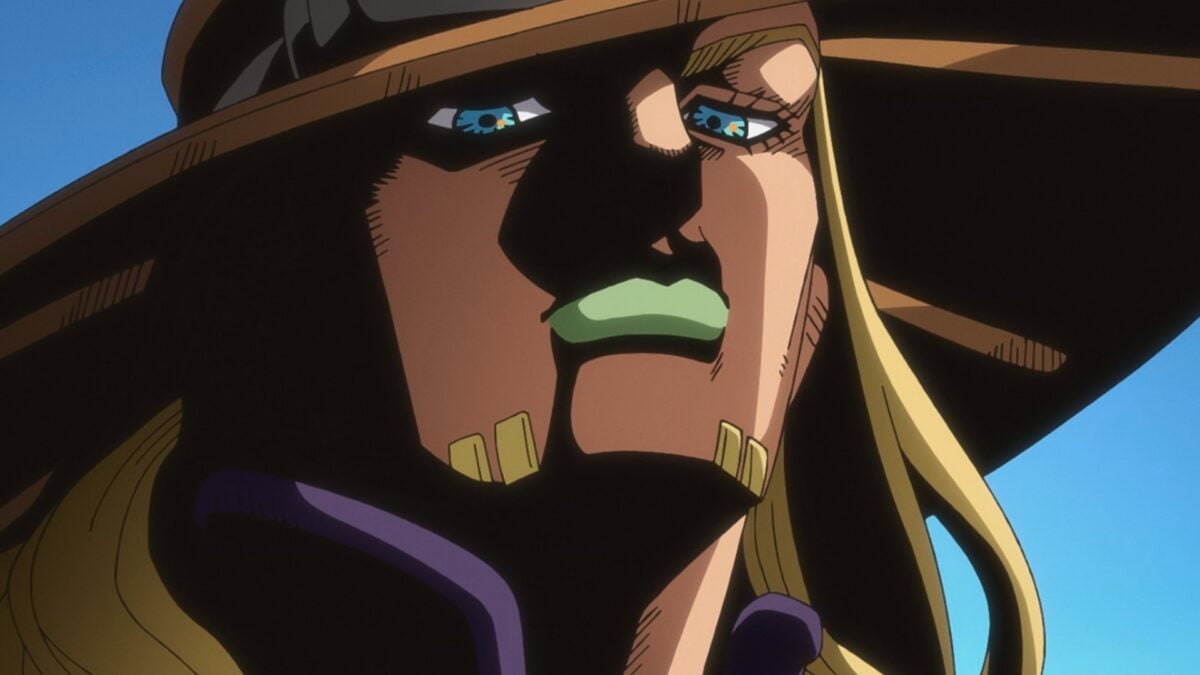
The March 19, 2026, premiere of JoJo’s Bizarre Adventure: Steel Ball Run has catalyzed a paradigm shift in high-prestige anime distribution while exposing systemic frictions within Netflix’s release architecture. By launching with a 47-minute cinematic installment titled the ‘1st STAGE,’ David Production and director Yasuhiro Kimura prioritized narrative density over the conventional episodic churn of seasonal television.
This strategic pivot to a non-traditional format allowed the series to secure the #1 position on global aggregate platforms like MyAnimeList, effectively displacing long-standing industry titans. However, the subsequent confirmation of an indefinite hiatus for the second episode has triggered a critical reassessment of the series’ market momentum and the streamer’s long-term engagement strategy.
The Strategic Logic of the Cinematic Premiere
Director Yasuhiro Kimura’s decision to conclude the ‘1st STAGE’ without a traditional cliffhanger reflects a calculated effort to treat the opening segment as a self-contained prestige event. This methodology mitigates immediate pressure for weekly follow-ups while establishing a quality threshold that conventional broadcast schedules rarely accommodate. By delivering a complete narrative block, the production team successfully captured global market attention, though this success now faces the volatility of maintaining cultural relevance during an unscheduled pause.
Operational Fidelity and Directorial Research
The technical demands of adapting Hirohiko Araki’s equestrian-centric epic are underscored by Kimura’s rigorous field research, including personal riding experience to master the mechanics of the series’ central theme. This commitment signals a shift toward a realism-based animation philosophy, implying a labor-intensive production cycle that is fundamentally incompatible with the rapid-fire delivery expected by streaming audiences.
Distribution Friction and Institutional Reputation
Netflix’s inability to commit to a weekly release pattern has reignited concerns regarding its management of high-value anime IP. The precedent set by the fragmented distribution of Stone Ocean continues to weigh heavily on brand loyalty. The streamer’s preference for batch releases or irregular schedules often clashes with the momentum-driven nature of global fandom, leaving the franchise’s digital footprint vulnerable to stagnation despite its record-breaking debut.
The Impact of Communication Failures
Institutional communication lapses, exemplified by a retracted social media interaction from the Netflix Chile TikTok account, have exacerbated consumer distrust. These inconsistencies highlight a lack of coordination between regional marketing and central distribution, creating a vacuum of information filled by speculation rather than official roadmaps. For a series that achieved top-rated status almost instantly, these lapses represent a significant failure to capitalize on peak market interest.
Market Implications and Stakeholder Exposure
By dethroning established titles such as Frieren: Beyond Journey’s Ending, Steel Ball Run demonstrated the immense capital value of the JoJo brand. However, the inability to provide a clear content pipeline risks devaluing this asset. As streaming competition increasingly pivots toward consistent engagement for subscriber retention, the current state of ‘high-value limbo’ serves as a cautionary tale of the misalignment between elite production capabilities and global distribution requirements.