
Institutional Strategy and High-Concept Narratives
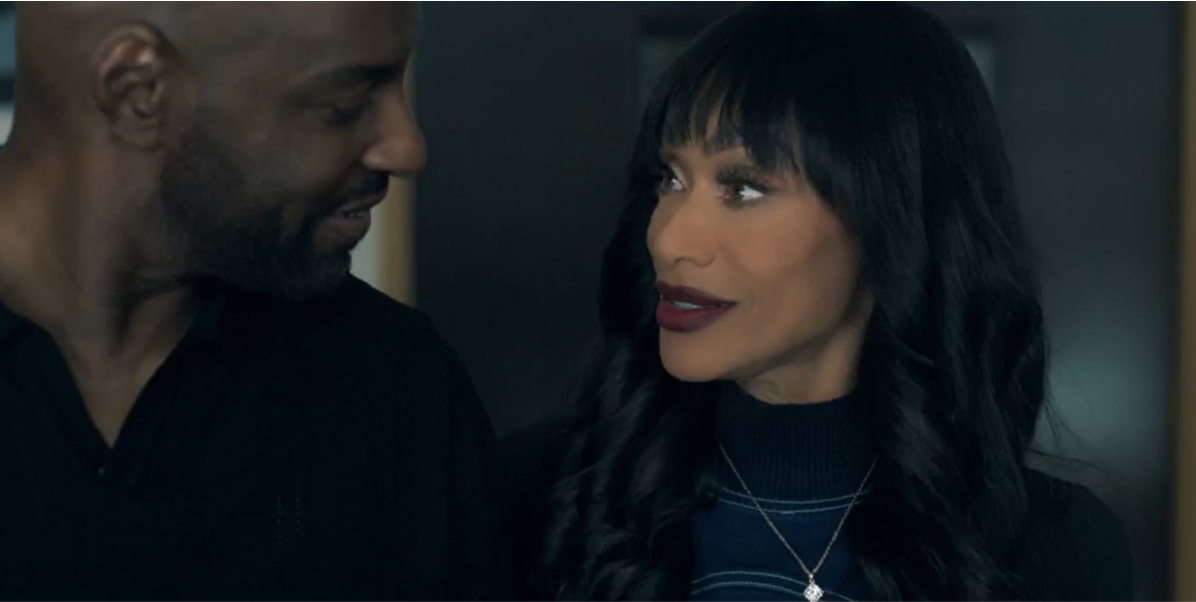
The February 21, 2026, premiere of Double Double Trouble marks an institutional pivot for Lifetime, transitioning toward high-concept psychological realism. By casting Tami Roman in the bifurcated roles of identical twins Drea and Ali, the network leverages a talent-centric production model designed to maximize brand equity while disrupting standard domestic thriller conventions.
Talent-Centric Operational Framework
Roman’s dual performance serves as the primary operational pillar, demanding technical precision in character differentiation. This ‘Double-Role’ strategy functions as both a creative showcase and a cost-efficient narrative driver, allowing the production to explore complex psychological archetypes within a streamlined ensemble. The focus on twin dynamics intensifies the intimacy of the conflict, framing their fractured bond as the central axis of the film’s emotional volatility.
Psychological Friction and Narrative Catalysts
The plot utilizes Drea’s miscarriage and marital dissolution as grounded entry points into more heightened thriller elements. This trauma establishes a logical framework for her subsequent instability, which is further exacerbated by Ali’s romantic alignment with Ryan (Colin Lawrence). Ryan functions as a disruptive variable, his presence manifesting the domestic stability Drea perceives as permanently lost, thereby fueling systemic sibling rivalry.
Cross-Genre Synergy: Double The Recipe
The inclusion of the fictional lifestyle program, Double The Recipe, introduces a layer of meta-textual irony. This professional success creates a stark juxtaposition between public-facing personas and internal psychological erosion. Strategically, this element differentiates the film from generic domestic suspense by grounding the twins’ relationship in a tangible professional partnership, raising the stakes of their inevitable fracture.
Moral Ambiguity and Vigilante Justice
The transition from domestic drama to criminal intervention occurs as Ali assumes a ‘dark guardian’ role, executing Drea’s ex-husband, Kevin. This shift moves the moral center from passive victimhood to lethal agency, binding the twins in a shared criminal secret. This development creates a complex ethical vacuum, positioning their protective instincts as both a source of survival and a catalyst for mutual destruction.
Omnichannel Distribution and Market Penetration
Lifetime’s deployment of Double Double Trouble emphasizes omnichannel accessibility across traditional cable and digital platforms like DIRECTV, Philo, and Sling. The utilization of low-barrier entry points, such as five-day free trials, serves as a tactical customer acquisition tool. This model reflects broader industry efforts to mitigate churn by using high-interest original IP to drive platform stickiness in a fragmented media landscape.
Production Standards and Brand Evolution
Directed by Gabriel Correa and scripted by Sa’Rah L. Jones, the production prioritizes psychological resonance over superficial tropes. This sophisticated storytelling approach aligns with evolving viewer expectations for the Lifetime Original brand. By successfully blending domestic trauma with murder-mystery mechanics, the film targets a broad demographic, ensuring long-term viability in syndication and VOD libraries.
Final Strategic Assessment
Ultimately, Double Double Trouble serves as a benchmark for Lifetime’s 2026 content strategy. It demonstrates the efficacy of maximizing a single lead’s performance capacity within a high-concept framework. By aligning creative vision with modern distribution tactics, the network solidifies its position as a leader in character-driven, commercially viable suspense.

Photo by ELG21 on Pixabay.