
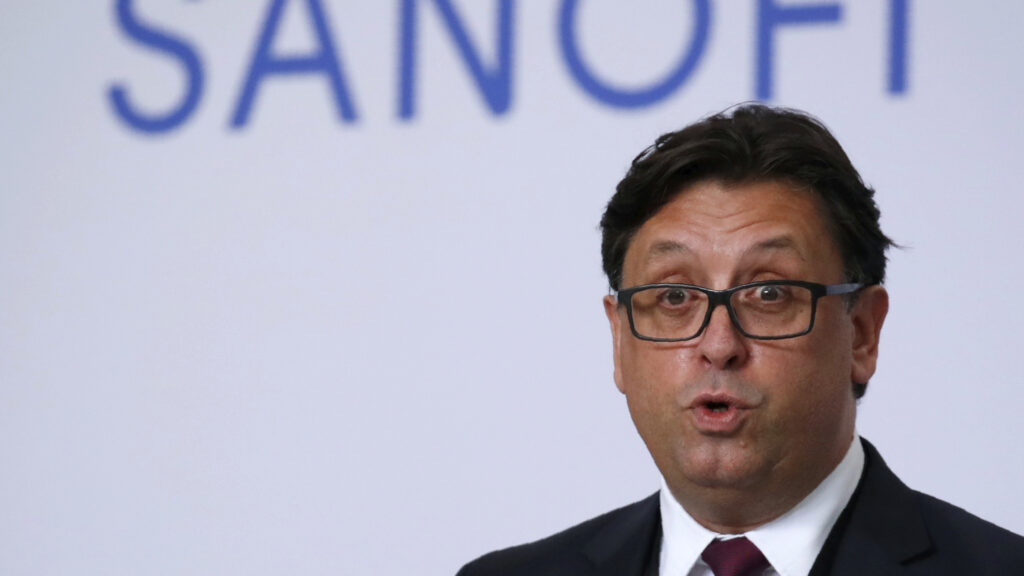
Institutional Shift in Leadership at Sanofi
Sanofi has formally announced the replacement of Paul Hudson as Chief Executive Officer following a period of performance challenges. The decision was confirmed by the company’s board on Thursday, signaling a definitive change in the organization’s executive direction.
This leadership transition occurs as the pharmaceutical entity grapples with the fallout of stalled strategic initiatives. The board’s action effectively concludes Hudson’s tenure as the organization seeks to address internal and external pressures.
The Strategic Context of Clinical Pipelines
The pharmaceutical industry operates on the fundamental strength of its clinical pipelines and the successful development of therapeutic assets. For a vaccine giant like Sanofi, the inability to progress critical research and development projects creates significant institutional friction.
Recent clinical setbacks have hampered the company’s ability to secure the growth trajectories anticipated by stakeholders and the board. These failures in the pipeline typically necessitate a reassessment of the leadership responsible for overseeing long-term R&D investments.
Governance and Board Accountability
The replacement of a CEO is a primary mechanism through which a corporate board exercises its fiduciary responsibility to shareholders. In this instance, the board has determined that a change at the executive level is required to rectify the current strategic stagnation.
Institutional governance frameworks often demand rapid leadership shifts when established turnaround plans fail to meet predefined milestones. By ousting Hudson, the board is signaling a prioritization of pipeline revitalization over existing management continuity.
Market Reaction and Financial Volatility
Following the announcement of the CEO change, Sanofi shares experienced a notable decline in market value. This reaction reflects the inherent uncertainty that accompanies sudden transitions within the executive suite of a major multinational corporation.
Investors often view leadership turnover as a sign of deeper structural challenges or unresolved clinical hurdles. The downward movement in share price underscores the market’s sensitivity to shifts in strategic oversight and the perceived risks of a leadership vacuum.
Structural Implications for the Vaccine Sector
As a prominent actor in the global vaccine market, Sanofi’s internal restructuring has broader implications for industry competition and public health initiatives. The successful management of a vaccine portfolio requires consistent investment and high-level clinical execution.
A stalled turnaround at this level can disrupt the development of essential medical solutions and alter the competitive landscape among pharmaceutical peers. The board’s decision to tap new leadership suggests an intent to refocus the organization’s resources on core clinical priorities.
Analytical Synthesis of the Transition
This executive replacement should be viewed through the lens of corporate accountability and the high-stakes nature of pharmaceutical development. The move highlights the narrow margin for error in managing complex clinical portfolios and multi-year strategic turnarounds.
While the board has initiated this change, the long-term efficacy of the transition will depend on the new leadership’s ability to navigate ongoing clinical challenges. This administrative action serves as a corrective measure intended to restore institutional momentum and stabilize market confidence.