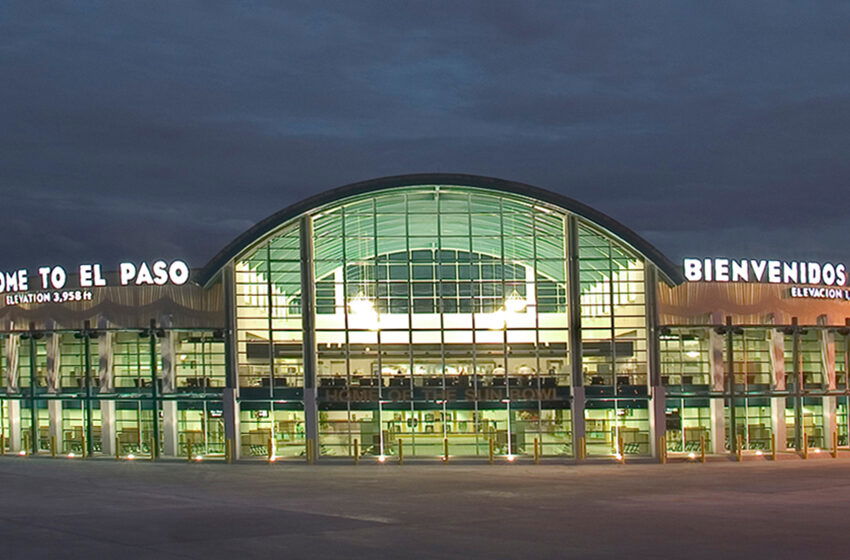
Analysis of Airport Governance and Revenue Strategy Following ELP Parking Rate Adjustment
The El Paso International Airport (ELP) announced an adjustment to its long-term parking fee structure, raising the daily rate by $2. Effective starting in March, the cost for long-term parking will increase to $9 per day, up from the prior rate of $7. This change, while seemingly minor in scope, underscores crucial aspects of municipal airport administration, revenue generation, and strategic governance required for maintaining complex transportation infrastructure.
As a key regional transportation hub, ELP operates within a specific financial model where self-sufficiency is often mandated or strongly incentivized. Pricing decisions related to consumer services, such as parking, are not merely commercial choices; they are calculated administrative actions intended to align operational costs with available funding streams and capital improvement needs.
The Crucial Role of Non-Aeronautical Revenue in Airport Stability
Airport revenue is fundamentally divided into two primary categories: aeronautical and non-aeronautical. Aeronautical revenue is derived from services directly supporting flight operations, such as landing fees, fueling concessions, and hangar rentals. Non-aeronautical revenue, conversely, originates from commercial activities unrelated to flight movement, including retail, food and beverage concessions, ground transportation fees, and, centrally, public parking.
The strategic importance of non-aeronautical revenue, particularly parking fees, cannot be overstated in modern airport finance. These funds provide a vital source of financial predictability and stability, insulating the airport’s budget from fluctuations in air carrier traffic or changes in federal regulatory funding. Generating robust non-aeronautical income allows the airport to maintain operational standards without placing undue burden on airline partners, thereby remaining competitive in attracting air service.
For a facility like ELP, parking often represents one of the most reliable and substantial components of this non-aeronautical income portfolio. It is a mandatory proximity service for a large segment of the traveling public, creating a consistent revenue stream directly tied to passenger volume. The adjustment of a single parking rate tier, therefore, directly impacts the airport’s overall fiscal posture and its ability to service debt or invest in mandated maintenance.
Administrative Justification and Regulatory Oversight
Rate adjustments at municipal airports are typically subject to a rigorous process of justification and public oversight, reflecting their status as publicly owned assets. Unlike purely private entities, municipal airport authorities, often overseen by an airport board or the city council, must demonstrate that fee increases are necessary, reasonable, and commensurate with the actual cost of providing the service or funding defined capital projects.
The administrative rationale supporting a rate increase often centers on two key areas: cost recovery and capital development. Cost recovery involves ensuring that the revenue generated covers the rising operational expenses associated with the parking infrastructure itself, including maintenance, security, lighting, utilities, and labor costs. As inflation impacts labor and construction material prices, periodic rate increases become necessary steps in prudent financial management to avoid deficit spending or infrastructure decay.
Furthermore, parking revenue is frequently earmarked to support capital improvement programs. These funds may be directed toward upgrading parking technology, expanding capacity, improving accessibility features, or contributing to major terminal renovation projects that benefit the broader passenger experience. Thus, the $2 increase at ELP is likely linked to specific budgetary requirements or long-term infrastructure planning objectives approved by the relevant governmental bodies.
Strategic Pricing and Demand Management
Airport pricing strategy often involves a nuanced approach to differentiate between parking products based on duration and proximity to the terminal. The long-term parking tier, which saw this rate adjustment, is specifically designed for travelers on multi-day trips and must be priced competitively relative to other transportation options, such as taxis, ride-sharing services, or off-site parking facilities, while remaining financially viable for the airport.
By increasing the long-term rate from $7 to $9, the airport is employing a form of pricing elasticity designed to optimize revenue yield without significantly deterring the core user base. This small marginal increase—approximately 28%—is analyzed by airport management to ensure that it maximizes revenue generation per parking space while maintaining acceptable occupancy levels. It is a fundamental economic tool for managing finite capacity resources in high-demand areas.
This strategic approach also maintains a clear pricing differential between the long-term, short-term, and potentially economy parking options, guiding passenger behavior. Maintaining a significant cost gap ensures that short-term spaces, vital for quick drop-offs and pick-ups, are not unnecessarily occupied by long-term travelers, thereby optimizing the flow and functionality of the entire landside operation.
Policy Implications for Regional Connectivity
As a regional gateway, the financial stability of El Paso International Airport has wider implications for the surrounding economic area. Decisions regarding revenue generation are integral to the airport’s ability to sustain and potentially expand air service, which in turn supports regional commerce, tourism, and connectivity. When an airport proactively manages its non-aeronautical streams, it strengthens its fiscal independence, providing greater resilience against economic downturns impacting the aviation sector.
In the absence of details regarding specific capital projects funded by this increase, the policy action remains characterized as a standard mechanism for fiscal realignment. It represents the ongoing governmental function of ensuring that public infrastructure is properly capitalized to meet current operational demands and future capacity requirements. The marginal cost borne by individual travelers is collectively channeled into the continued maintenance and regulatory compliance of a critical transportation asset.
In summary, the documented rate adjustment at ELP is not simply an increment in cost; it is a visible manifestation of established policy frameworks governing airport financial sustainability. It confirms the airport authority’s continuing reliance on user fees to fund self-directed operations and underscores the necessary administrative procedures involved in pricing publicly provided services to meet high standards of infrastructure quality and operational security.