US Intensifies Military Operations Against Iran Amidst Escalating Tensions
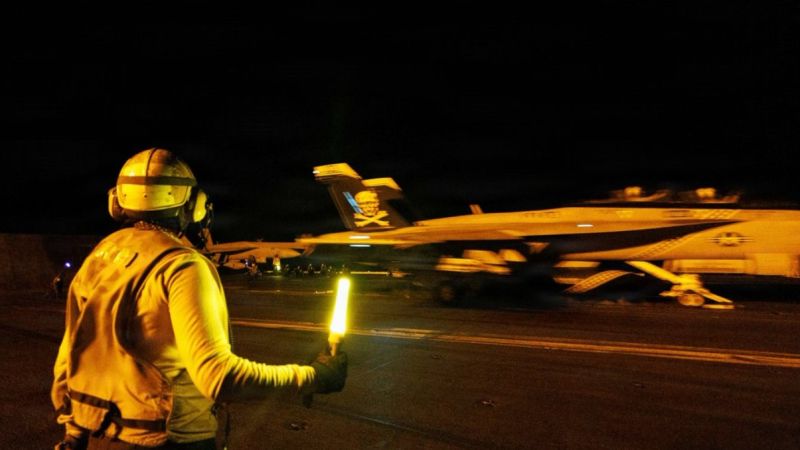
The United States has launched a significant escalation of military operations against Iran, conducting multiple waves of strikes on Iranian military targets. These actions aim to degrade Iran’s capacity to launch attacks against commercial vessels transiting the Strait of Hormuz and re-establish freedom of navigation in this critical global chokepoint.
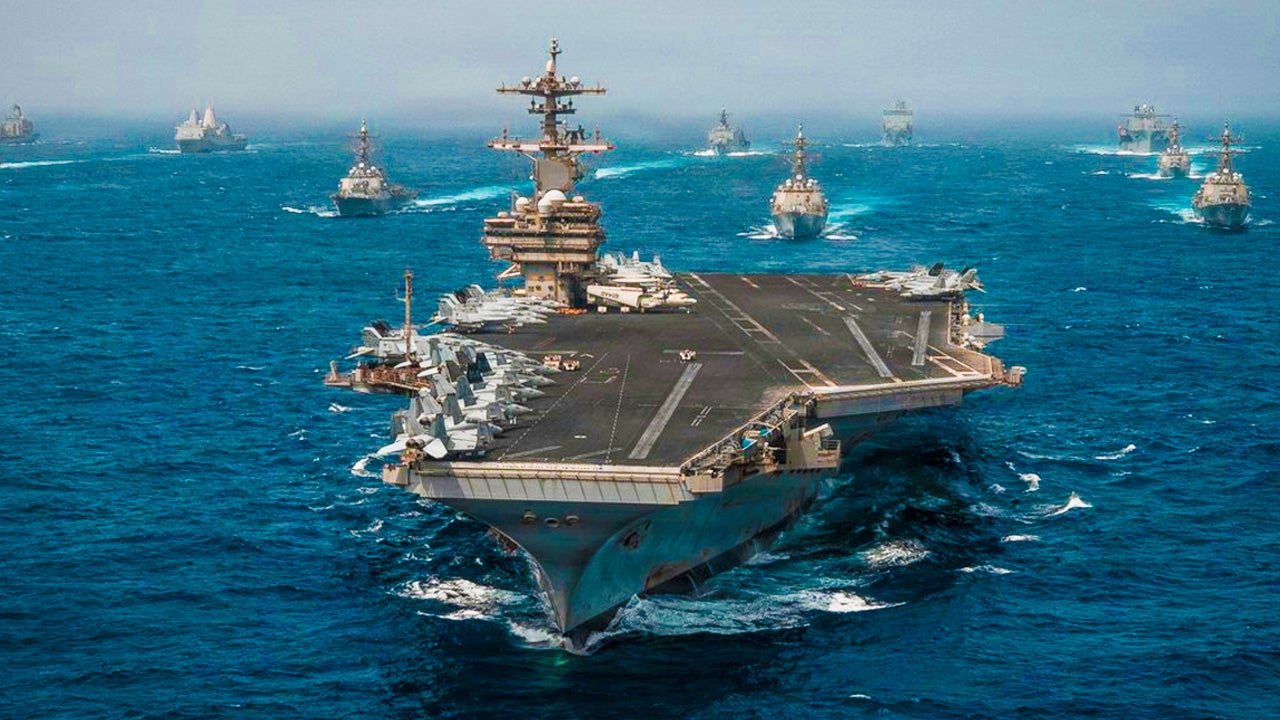
Concurrent with the strikes, the U.S. has reinstated a naval blockade on Iranian ports, exerting further economic and strategic pressure. This blockade has demonstrably impacted maritime traffic, with fewer vessels observed navigating the Strait of Hormuz. The disabling of an oil tanker near Kharg Island, a key Iranian economic artery, signifies a heightened risk for maritime commerce.
The operational tempo suggests a deliberate strategy to dismantle Iran’s offensive maritime capabilities. By targeting military assets instrumental in ship attacks, the U.S. seeks to impose a sustained cost on Iran’s disruptive actions, deter future aggressions, and reassert regional security prioritizing unimpeded global trade.
The economic implications are immediate and far-reaching, particularly for the global oil market. Reduced traffic in the Strait of Hormuz intensifies the potential for supply disruptions, mirroring past scarcity periods that impacted global energy prices. The diminishing global capacity to absorb such shocks raises concerns about broader economic stability.
Strategic Maneuvers and Diplomatic Standoff
President Donald Trump is reportedly considering further expansions to the U.S. military operation, indicating a potential for sustained or intensified engagement. This suggests a strategic calculus focused on achieving a decisive shift in Iran’s behavior rather than a temporary de-escalation. The administration’s willingness to explore broader military options signals a high-stakes approach to regional security.
In response to the escalating U.S. actions, Iran has activated air defenses in parts of its capital, Tehran, with residents reporting explosions. This defensive posture indicates a heightened state of alert and readiness to respond to further incursions, signifying direct engagement with the U.S. military presence in the region.
Iran’s foreign ministry has publicly stated it has no plans for negotiations with the United States, reflecting a firm diplomatic stance amidst heightened military confrontation. This refusal to engage complicates de-escalation efforts and increases the potential for miscalculation.
Adding a complex layer to the geopolitical narrative, Iran released an American woman detained since December 2024. President Trump acknowledged this release as a gesture of goodwill from Tehran. This humanitarian development occurs against a backdrop of severe military and diplomatic antagonism, highlighting the multifaceted nature of the U.S.-Iran relationship.
Symbolic Confrontation and Public Sentiment
A striking visual manifestation of the escalating tensions is a massive billboard erected in Tehran’s Islamic Revolution Square, depicting President Donald Trump in a coffin with the provocative message “We Kill Trump.” This display, photographed by the Associated Press, serves as a potent symbol of public animosity and extreme rhetoric within Iran.
The billboard’s appearance, days after calls for the assassination of the U.S. president were reportedly made during funeral ceremonies for Iran’s Supreme Leader Ayatollah Ali Khamenei, underscores the depth of animosity. It reflects a segment of Iranian public sentiment and potentially state-sanctioned messaging designed to project defiance and challenge U.S. leadership directly. This symbolic confrontation amplifies the psychological dimension of the ongoing conflict.
The juxtaposition of this public display with U.S. military strikes creates a potent narrative of existential conflict, suggesting a perception within Iran of being under direct existential threat. This prompts retaliatory messaging and actions aimed at destabilizing the adversary’s leadership, bolstering domestic morale, and projecting an image of unwavering resistance.
The erection of such a prominent and aggressive display in a central Tehran square indicates a calculated effort to leverage public sentiment and international media attention. It serves as a stark reminder of the volatile political climate and entrenched animosity underpinning the ongoing confrontation, complementing kinetic actions in the overall pressure campaign.
Regional Impact and Global Economic Ramifications
The U.S. naval blockade and strikes on Iran are occurring within a broader context of regional instability. The Strait of Hormuz, a vital artery for global energy supplies, is a focal point for geopolitical competition, and any disruption there has immediate global economic consequences, threatening to exacerbate existing supply chain vulnerabilities.
Reduced traffic in the Strait of Hormuz directly impacts oil prices and availability, potentially triggering inflationary pressures and economic slowdowns in importing nations. The world’s reliance on a stable flow of oil through this chokepoint means even minor disruptions can have significant ripple effects across industries and consumer markets. The diminishing global safety net for oil supply suggests heightened vulnerability to such events.
Iran’s strategic calculus in challenging maritime security likely aims to weaponize its geographical position, forcing concessions through the threat of economic disruption. The U.S. response, through strikes and blockade, represents an effort to neutralize this leverage by directly degrading Iran’s offensive capabilities and enforcing international norms of navigation, creating a dynamic of escalating pressure and counter-pressure.
The international community, particularly major energy-consuming nations, faces a critical juncture in managing the fallout from these escalating tensions. The need for diversified energy sources and robust diplomatic engagement becomes paramount to mitigate the economic risks associated with continued instability in the Persian Gulf. The current trajectory suggests a prolonged period of heightened risk for global trade and economic stability.
Future Trajectories and Strategic Considerations
The ongoing military actions and diplomatic impasse suggest a potential for sustained conflict rather than a swift resolution. The U.S. administration’s contemplation of expanding military operations points towards a strategy of imposing significant costs on Iran to compel a change in its regional behavior, carrying inherent risks of further escalation and unintended consequences.
Iran’s response, characterized by defensive measures and a refusal to negotiate, indicates a strategic commitment to resisting U.S. pressure. Symbolic defiance, such as the anti-Trump billboard, suggests an intent to rally domestic support and project resilience, creating a challenging environment for de-escalation and diplomatic breakthroughs.
The impact on global markets, particularly energy, will likely remain a key indicator of the conflict’s severity. Continued disruptions in the Strait of Hormuz could lead to sustained price volatility and necessitate strategic adjustments by governments and corporations. The world’s limited capacity to absorb further supply shocks amplifies the stakes for all parties involved.
Ultimately, the current situation represents a critical test of deterrence and strategic signaling in a volatile geopolitical landscape. The effectiveness of the U.S. military campaign in achieving its objectives, coupled with Iran’s capacity to withstand pressure and retaliate, will shape the future trajectory of regional security and global economic stability. The absence of a clear diplomatic off-ramp increases the likelihood of a protracted period of elevated risk.